Many businesses face delays during air transport shipping. A common question arises: "why is my air transport shipment delayed at the airport customs?" This issue can stem from various factors. George Thompson, a customs compliance expert, emphasizes, "Documentation is often the most overlooked aspect that causes delays."
Customs officials inspect shipments thoroughly. They check for compliance with regulations and accuracy of documents. Missing paperwork or incorrect declarations can halt a shipment. Misunderstandings about customs duties might also contribute to the problem. Learn what documents you need. This preparation can expedite the process.
Unexpected occurrences add to delays too. For example, high traffic at customs can slow down processing times. Situations like additional inspections can occur without warning. Thus, it's vital to remain informed and prepared. Every shipment is unique, and understanding potential delays helps businesses manage expectations effectively.
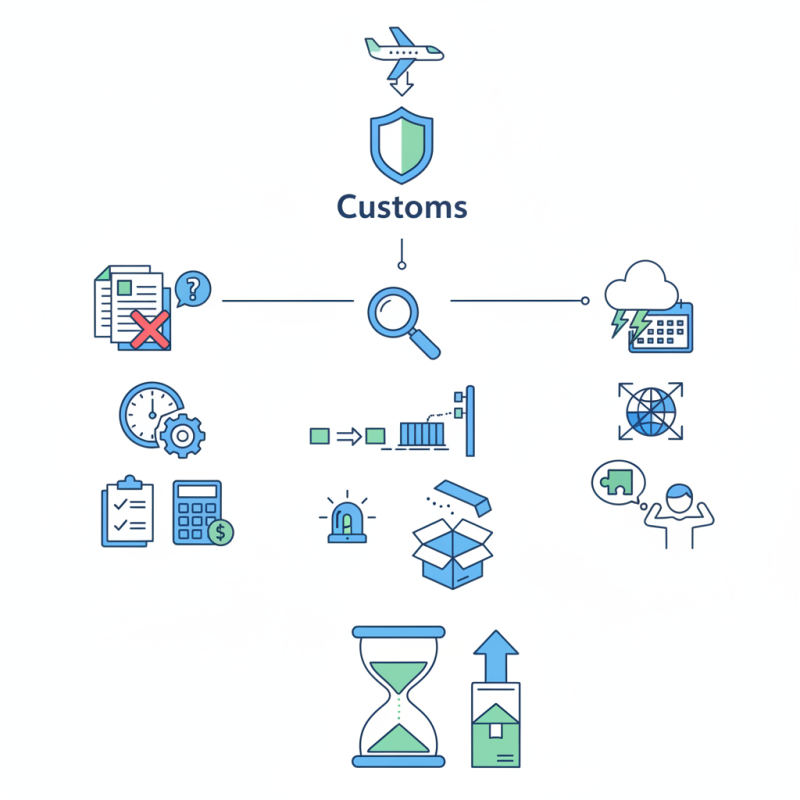
Reasons for Delays in Air Transport Shipments at Customs
Delays in air transport shipments at customs can occur for various reasons. Understanding these factors can help businesses and individuals prepare better. According to the World Customs Organization, approximately 20% of air cargo shipments experience delays due to documentation errors. Incomplete paperwork, missing invoices, or incorrect descriptions can lead to significant hold-ups.
Often, customs agents need to verify the shipment's contents, which adds to the time required.
Another common issue is regulatory compliance. Each country has specific import regulations. A study by the International Air Transport Association revealed that regulatory issues accounted for nearly 30% of customs delays. Shippers must stay updated on changing regulations, tariffs, and duties. Lack of knowledge can lead to unexpected delays.
Tip: Double-check all documents before shipping. Ensure that they are accurate and complete.
Sometimes, there can also be issues with customs inspections. Random checks are standard practice. However, they can disrupt the delivery schedule. It’s crucial to factor in these inspections when planning shipments.
Tip: Allow extra time for unexpected inspections.
By recognizing these potential hurdles, shippers can take proactive steps to minimize delays at customs.
Documentation Requirements for Customs Clearance
Customs clearance can be a complex process. One of the main reasons for delays is incomplete or incorrect documentation. Each shipment requires specific documents that vary depending on the goods being transported. Missing invoices, bills of lading, or certificates of origin can stall the process. Many shippers overlook these crucial details.
Proper documentation is essential for a smooth customs experience. The commercial invoice should clearly outline the contents of the shipment. Additionally, labels must match the accompanying paperwork. Custom officials often demand specific information to assess duties and regulations. A small error can lead to lengthy delays. Understanding these requirements is key to avoiding headaches.
It’s also important to stay informed about regulatory changes. Customs regulations can change frequently. Not staying current may lead to further complications. Rechecking your documents and getting a second opinion can help. Taking the time to ensure accuracy can save you days in transit. Always aim for clarity in your shipping documents to facilitate quicker customs clearance.
Common Customs Procedures that Cause Delays
Delays in air transport shipments at customs can be frustrating. Common customs procedures often contribute to these unexpected waiting times. Understanding these procedures can help you anticipate potential delays.
One significant cause of delays is incomplete documentation. Customs requires specific forms and invoices detailing the shipment. Errors in declared values or missing signatures can result in hold-ups. It’s essential to prepare all documents meticulously. Double-checking details can prevent unnecessary delays.
Another common issue is misclassification of goods. Customs officers categorize items based on various criteria, including their function and value. If an item is misclassified, it can lead to further inspections or requests for clarification. This process can take days, prolonging delivery times significantly. Ensure that your goods are accurately described to facilitate smoother clearance. Awareness of these customs procedures can help in planning for potential delays.
Why is My Air Transport Shipment Delayed at Customs? - Common Customs Procedures that Cause Delays
| Delay Reason |
Description |
Average Delay Time |
Customs Action |
| Incomplete Documentation |
Missing or incorrect paperwork, such as invoices or shipping declarations. |
3-5 days |
Request for additional documentation |
| Inspections |
Random checks or targeted inspections by customs authorities. |
2-7 days |
Conduct physical examination of goods |
| Valuation Issues |
Disputes regarding the declared value of goods for duty calculation. |
4-10 days |
Review and reassess value |
| Customs Duties & Taxes |
Failure to pay or disputes over duties and taxes owed on goods. |
1-5 days |
Payment of duties/taxes required |
| Prohibited Goods |
Shipment contains items that are restricted or prohibited by law. |
Varies |
Seizure and potential fines |
Impact of Regulatory Changes on Air Shipment Timeliness
Regulatory changes significantly impact air shipment timeliness. Recent data indicates that approximately 25% of air shipments face delays due to stringent customs regulations. As governments tighten policies on security and trade compliance, shipping times can slow down. For example, the World Customs Organization reports that some shipments, particularly medical supplies, can experience extended inspections.
Complex regulations often lead to inconsistencies in documentation. Missing or incorrect paperwork results in longer processing times. This has been documented in a report from the International Air Transport Association, which reveals that around 30% of shipments are delayed for this reason. Furthermore, the introduction of new tariffs can lead to unexpected holdups. Shippers must stay informed about policy changes that influence their operations.
Tip: Ensure that all shipping documents are complete and accurate before dispatching your shipment. Small errors can cause significant delays.
Another reflection point is that not all customs officials operate at the same speed. Some countries have more efficient processes than others. A study by the Global Air Freight Forwarding Association shows that countries with less automation in customs procedures can lead to delays of up to 48 hours.
Tip: Regularly review changes in international shipping regulations, especially those relevant to your shipment's destination. Being proactive helps mitigate delays.
Strategies to Mitigate Delays at Customs for Air Shipments
Air transport shipments often face delays at customs, impacting timelines and costs. A study by logistics experts indicates that about 30% of air shipments encounter customs-related delays. Understanding customs processes is essential for efficient transport. Key factors include incomplete documentation and classification errors. These errors can lead to significant holds, clouding shipment visibility.
To mitigate such delays, companies should ensure all shipping documents are accurate and complete. This includes proper invoices, packing lists, and any necessary certificates. Regular training for staff on customs regulations can reduce errors. Moreover, leveraging technology, like electronic data interchange (EDI), improves communication with customs. According to the World Customs Organization, advanced technologies can decrease clearance times by 25%.
Another strategy involves building strong relationships with customs officials. Engaging in open dialogue can clarify requirements and resolve potential issues before they arise. Industry insights suggest that proactive communication reduces shipment delays by up to 40%. Despite these approaches, challenges may still exist. Adjusting to fluctuating regulations and unexpected inspections can still disrupt logistics. Continuous improvement and preparedness remain crucial in navigating customs successfully.
Conclusion
Delays in air transport shipments at customs can arise from various factors, leading many to wonder why is my air transport shipment delayed at the airport customs. Key reasons include incomplete or inaccurate documentation, which can paralyze the clearance process. Additionally, certain customs procedures, such as inspections and assessments, often contribute to prolonged waiting times.
Regulatory changes also play a significant role, as updates to trade agreements or customs regulations can necessitate additional compliance checks. To mitigate these delays, shippers should ensure all documentation is thorough and accurate, stay updated on relevant regulations, and maintain clear communication with customs officials. By implementing these strategies, the likelihood of timely clearance for air shipments can be significantly improved.

 LoJo Logistics