Premium global transit networks engineered to meet complex industrial shipping timelines and dangerous goods requirements.
The international transport of hazardous materials (HAZMAT) and dangerous goods represents one of the most strictly regulated sectors in global supply chain management. As industrial manufacturing becomes increasingly decentralized and technologically complex, the demand for fast, secure, and fully compliant transport of items such as lithium batteries, chemical reagents, pressurized gases, and flammable compounds has grown exponentially.
According to the International Air Transport Association (IATA) and the United Nations Committee of Experts on the Transport of Dangerous Goods, millions of shipments categorized under hazard classes 1 through 9 are processed annually via international aviation channels. Operating in this space requires deep adherence to the **Dangerous Goods Regulations (DGR)**, which dictate exact parameters for packaging, documentation (MSDS/SDS), labelling, and loading compatibility.
All operations must execute high-precision verification across Packaging Groups I, II, and III, matching strict criteria for pressure-differential testing, drop testing, and compatibility analysis under both cargo aircraft and passenger aircraft limits.
We deploy exclusively certified UN-specification packaging solutions tested for structural integrity, vapor containment, and pressure limits to mitigate cabin-altitude changes.
Comprehensive handling and clearance protocols spanning Flammables (Class 3), Corrosives (Class 8), Gases (Class 2), and highly sensitive Lithium-Ion / Metal batteries (Class 9).
How Chinese high-tech manufacturers sync localized, state-of-the-art production with advanced global cargo transport.
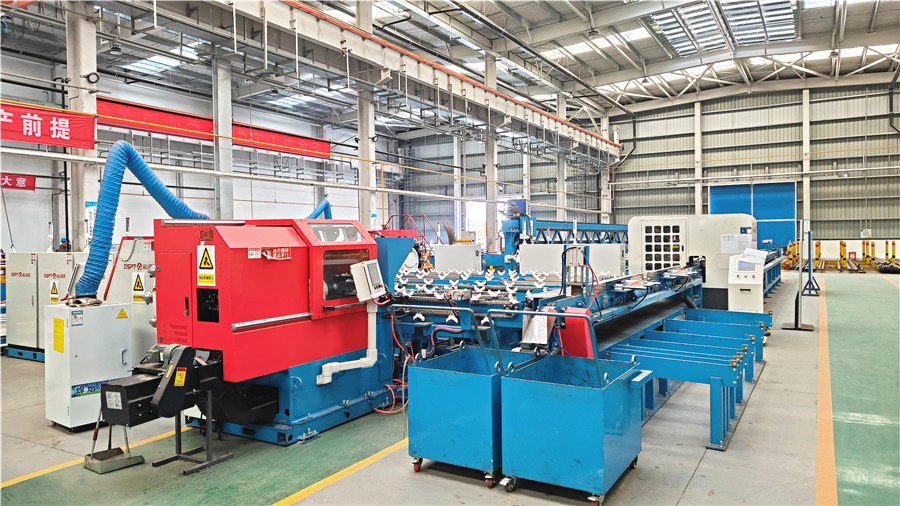
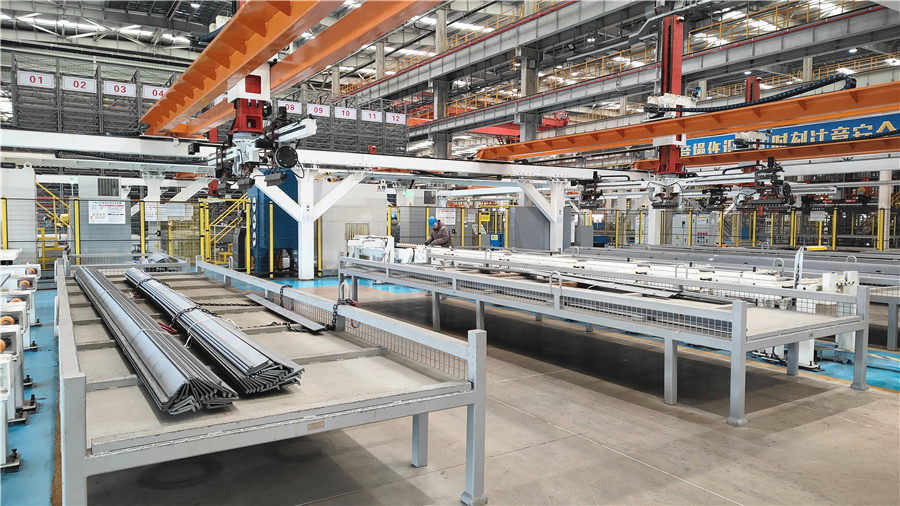
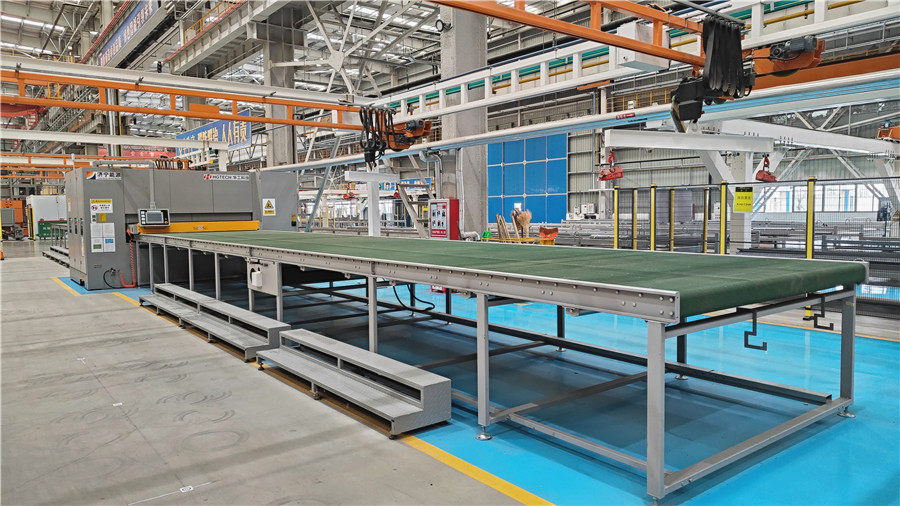
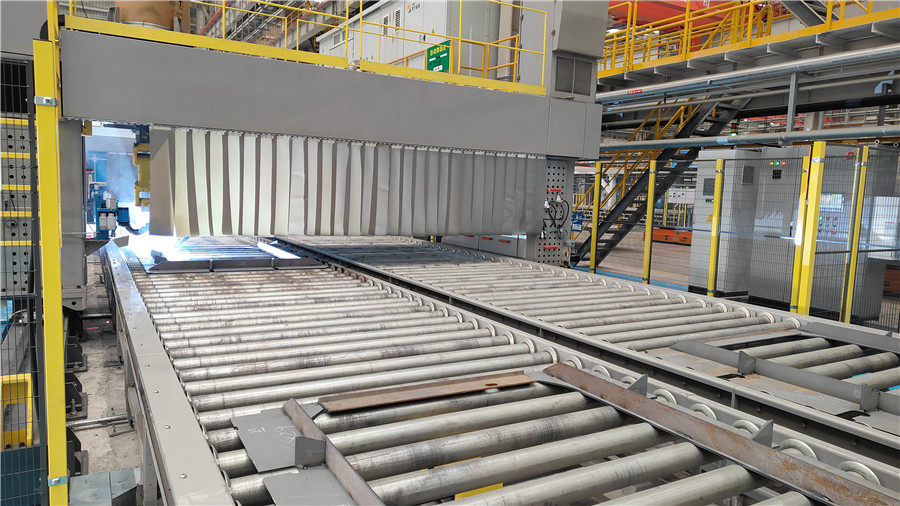
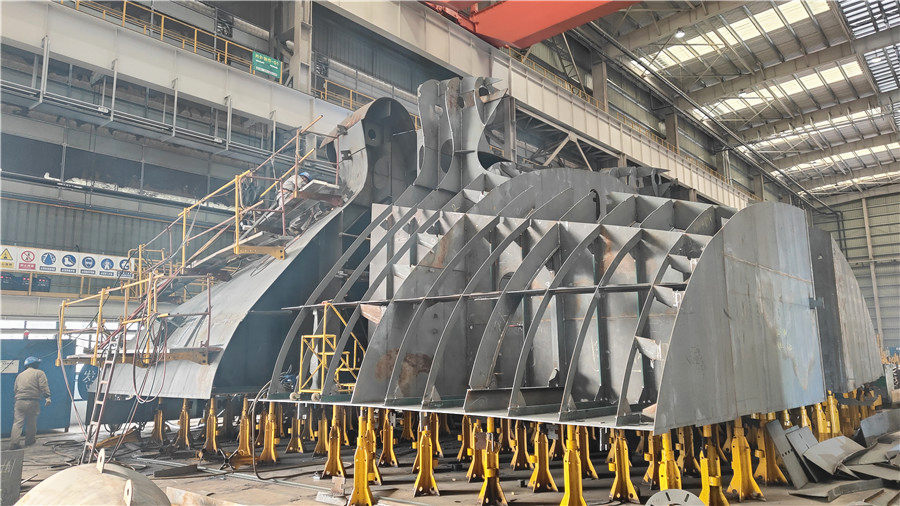
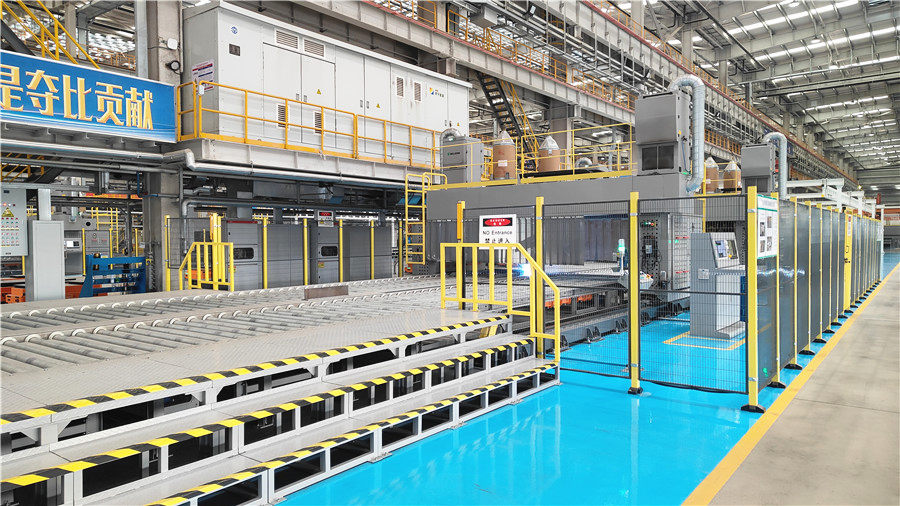
Modern Chinese export clusters rely not only on extreme production speed, but also on the agility of integrated logistic operations. Shenzhen and the greater Pearl River Delta serve as the premium blueprint for this hybrid ecosystem. Raw materials go through computerized processing, high-precision laser cutting, mechanical polishing, and automatic assembly to emerge as advanced hardware products. Many of these components (including batteries, dynamic electrical cells, and specialized chemical modules) require prompt classification as dangerous goods prior to air departure.
By bridging the gap between precise factory processing and strict international hazardous cargo protocols, exporters drastically lower transition times. Having structured processes on the floor ensures that every unit is optimized for international logistics compliance from the very first assembly stage.
• **Standardized Fabrication:** Production phases implement design parameters optimized for transport safety limits.
• **Direct UN Packing:** On-site packing specialists containerize cargo using compliant UN-rated materials immediately upon production sign-off.
• **Rapid Customs Handshake:** Instant digital MSDS transmission to major airports like Shenzhen (SZX), Guangzhou (CAN), and Hong Kong (HKG).
Are you still worried about lost cargo, delayed deliveries, or rising logistics costs while expanding your international trade with China? The smart solution is choosing a highly verified, deeply authoritative China freight forwarding partner. Shenzhen LoJo Logistics Co., Ltd. is a premium international logistics enterprise dedicated to engineered, secure, and cost-effective transportation services for global importers and exporters.
Backed by years of active logistics and supply-chain command, we systematically dismantle shipping obstacles, reduce transit friction, and enhance global transportation efficiency. At LoJo Logistics, we operate on a core philosophy: **Logistics is more than simply moving cargo — it is about delivering predictability, total safety, and strategic peace of mind.**
Our dedicated specialists command a deep working knowledge of both Chinese export regulations and target market import parameters. We map optimal routes that systematically mitigate risks of cargo quarantine, transport fines, or unexpected terminal delays.
Operating out of Shenzhen, the focal center of global high-precision tech and chemical distribution, we maintain first-tier access with premier international airlines, dynamic customs officials, heavy trucking fleets, and specialized cold-chain facilities.
"To provide worry-free international logistics services while helping customers improve efficiency, reduce costs, and grow their global business successfully. We integrate, you communicate. We deliver better, so you gain more."
Deploying compliant logistics models to support emerging technologies, global regulatory pivots, and smart transport demands.
Unrivaled packing solutions optimized for UN3480 (Lithium-ion batteries) and UN3090 (Lithium metal batteries). Our process coordinates dynamic thermal sensor mapping, dry-ice integration, and exact compliance with Section I/II state-of-charge (SoC) maximum limits.
Guiding manufacturers exporting delicate organic polymers, volatile compounds, and performance paints from China to destinations like Europe, the Americas, and the Middle East. Complete management of multi-layered safety data sheets (SDS) and clean customs entry points.
Adapting to stricter global carbon mandates and smart logistics paths. Future hazardous logistics integration leverages dynamic tracking systems to proactively map weather issues, flight re-routings, and cabin pressure fluctuations in real-time.
Expert responses addressing major technical questions on dangerous goods transport, international shipping laws, and compliance procedures.
To transport hazardous goods internationally via air freight, you must provide a valid Safety Data Sheet (SDS / MSDS) written in English and prepared under GHS alignment, a certified UN Specification Packaging Certificate, a Dangerous Goods Declaration (DGD), and the corresponding commercial invoice detailing matching HS codes.
IATA restricts Lithium-Ion batteries (UN3480) from being transported on passenger aircraft; they must travel exclusively via dedicated Cargo Aircraft Only (CAO). Furthermore, cells must be shipped at a State of Charge (SoC) not exceeding 30% of their rated design capacity, and must conform strictly to Section IA or IB of Packaging Instruction 965.
UN packaging groups designate the hazard level of the cargo to determine packaging strength: Group I (denoted by 'X' on packaging codes) is designed for high-danger substances; Group II (denoted by 'Y') corresponds to medium-danger items; Group III (denoted by 'Z') represents low-danger materials.
Yes. Through our integrated supply chain networks across Southern China and major international hubs, we offer unified multimodal routing options. This matches the speed of priority air cargo with the cost efficiency of ocean shipping, maintaining complete temperature and safety tracking throughout the journey.
Extensive transport lines and priority cargo links connecting key trade sectors across Europe, the Americas, Africa, and Central Asia.
 LoJo Logistics