When shippers ask, “why is my air transport shipment delayed at the airport customs,” the answer often begins with paperwork, not aircraft movement. Customs officers must match the commercial invoice, packing list, airway bill, and electronic declaration. A missing value, inconsistent product description, or unclear country of origin can pause the shipment. Sometimes, one incorrect digit causes hours of review.
Brandon Fried, Executive Director of the Airforwarders Association, has said, “A customs delay often begins with a small data problem, not a customs problem.” That observation reflects daily forwarding experience. The cargo may already be sitting inside a secure airport facility. Its flight arrived on time. Clearance did not.
This article explains the main causes of airport customs delays in air shipping. It also shows what shippers, importers, and freight forwarders can check before contacting customs authorities. Typical issues include incomplete documents, valuation questions, classification checks, unpaid duties, and requests for additional information. These are routine compliance procedures, not signs of wrongdoing.
The physical details matter. A pallet can wait beside a loading door while an officer verifies one invoice line. A tracking page may show “customs delay” without explaining the missing document. That uncertainty is frustrating. It can also lead to rushed decisions.
I have seen teams blame the airline too quickly. That assumption is not always correct. Better communication helps, but preparation matters more. Clear descriptions, accurate data, and prompt responses usually give a shipment the best chance of moving forward.
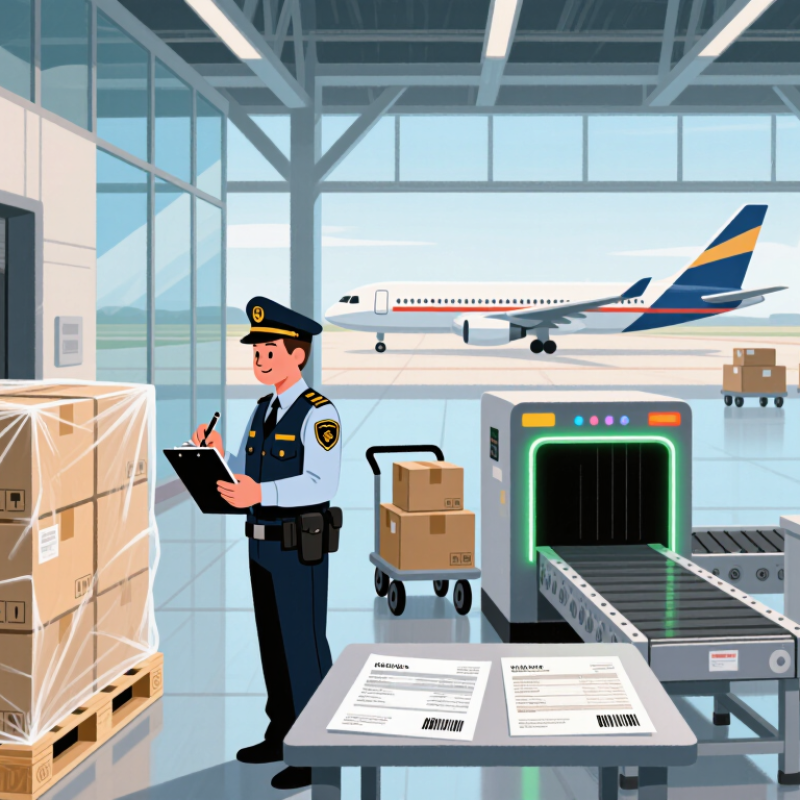
An airport customs delay in air shipping occurs when authorities need more time to review a shipment before release. The cargo may remain in a secure airport area while officers check the commercial invoice, packing details, declared value, and product description. A missing document is a common trigger. So is unclear information.
From my experience, small inconsistencies can create long pauses. The invoice may show one description, while the packing list uses another. A weight difference can also prompt questions. Customs officers may request additional evidence, inspect the carton, or confirm the shipment’s classification. These steps do not always mean there is a serious problem. Sometimes, the delay reflects a busy airport or a routine inspection.
Clear paperwork helps reduce avoidable waiting. The shipper should provide accurate descriptions, matching quantities, and reachable contact details. The consignee can respond quickly when customs asks for clarification. Tracking updates may remain unchanged for hours, which can feel worrying. They are not always detailed enough. I have seen shipments released soon after one corrected document was submitted, but this outcome is never guaranteed. Planning extra transit time is sensible, especially during peak shipping periods.
An airport customs delay is the extra time an air shipment spends waiting for document review, duty assessment, inspection, or customs release after arrival. The chart below uses the World Bank's 2023 Logistics Performance Index Customs scores by region. Higher scores indicate more efficient and predictable customs procedures, which generally help reduce clearance-related delays.
Source: World Bank, Logistics Performance Index 2023. Customs scores range from 1 (low) to 5 (high); they measure customs efficiency rather than exact clearance hours.
An airport customs delay occurs when authorities hold an air shipment before release. The cargo may sit in a bonded area beside active loading lanes. The World Bank’s 2023 Logistics Performance Index found that nearly 60% of respondents considered untimely information a major logistics obstacle. That finding explains why delays often begin before arrival.
Small data problems create large interruptions. A commercial invoice may describe goods too vaguely. The declared HS code may not match the product. Quantity, value, origin, or consignee details can also conflict. Customs may then request supporting documents or select the shipment for inspection. It happens quickly.
IATA reports that air cargo carries less than 1% of global trade volume, but over 35% by value.
Accurate declarations therefore matter greatly.
Operational pressure adds another layer. A shipment arriving overnight may miss a broker’s review window. Pre-arrival data can be incomplete, or the airport may face a temporary backlog. The WTO estimates that full implementation of its Trade Facilitation Agreement could reduce trade costs by an average of 14.3%. Better electronic data and agency coordination help, but they cannot remove every delay.
In practice, even a clean file can wait. That is the uncomfortable part: delay forecasts remain estimates, not promises.
An airport customs delay occurs when authorities cannot release an air shipment immediately. Customs must verify the shipment’s identity, value, origin, and declared contents. The carrier first submits an arrival manifest and commercial documents. Customs systems then assess risk, often before the aircraft lands. Missing or inconsistent data can stop the process early.
The shipment may be selected for document review or physical inspection. Officers compare the invoice, packing list, airway bill, and import declaration. They may also check product classification and calculate duties or taxes. If payment is required, release waits for confirmation. Not always. A clear shipment can still face delays when terminals are congested or government systems respond slowly. The World Bank’s 2023 Logistics Performance Index shows that customs efficiency differs widely between trading locations, making local procedures important.
Cargo volumes add pressure. The International Air Transport Association reported that global air cargo demand increased 11.3% in 2024, while capacity grew 7.4%. More freight can mean more declarations for customs teams to review. In practice, accurate data often matters more than fast handling. A single wrong commodity code or unclear product description may trigger questions. Electronic records help, but they do not remove human judgment. That is where the process remains imperfect. Shippers should provide consistent documents before arrival, while brokers should monitor customs messages and inspection requests closely.
An airport customs delay begins when officials cannot release a shipment immediately. Air cargo moves quickly, yet customs checks remain detailed. The International Air Transport Association reports that air cargo carries over 35% of global trade by value, although it represents less than 1% by volume. That high-value role explains the careful review.
A customs officer first compares the electronic declaration with the invoice, packing list, airway bill, and shipment data. The officer may question the product description, quantity, origin, classification, or declared value. Missing details can stop the process. Sometimes, customs selects the shipment for document review or physical inspection. The package may sit in a secured warehouse while officials open it, check labels, and record findings.
Duties or taxes may also need confirmation before release. The World Customs Organization’s Time Release Study framework measures each stage, from arrival to final clearance, helping identify bottlenecks. The World Bank’s 2023 Logistics Performance Index also rates customs efficiency on a one-to-five scale, showing that clearance performance differs widely between economies. A delay does not always indicate a serious problem. Often, one unclear line causes it.
That sounds simple. It is not always.
Forwarders usually request corrected documents or additional evidence. Shippers should respond quickly and keep descriptions precise. In practice, even experienced teams make mistakes. A rushed invoice can create hours of avoidable questioning.
An airport customs delay occurs when arrived air cargo cannot be released because customs needs clearer data, documents, payment, or inspection. The aircraft may leave on schedule, while the shipment remains beside the terminal. The 2023 World Bank Logistics Performance Index reports that international shipments spend about 44 days in transit, representing roughly 60% of total trade time. Even a short customs hold can disrupt inventory planning.
Prevention begins before uplift. Use one consistent commodity description across the commercial invoice, air waybill, packing list, and origin documents. Check the declared value, quantity, weight, and consignee details twice.
Digital pre-arrival filing also helps customs review information earlier. The OECD’s trade facilitation analysis indicates that comprehensive border reforms can reduce trade costs by up to 17%. That figure reflects systems, but careful shipment data still matters.
A perfect checklist does not exist.
When a delay occurs, contact the appointed customs representative and the handling facility quickly. Request the specific hold reason and a reference number. Then provide only the missing or corrected information.
Repeatedly sending conflicting documents can extend the review. Legitimate duties and taxes should be paid through approved channels, with receipts retained.
WCO guidance emphasizes measuring release time, not merely counting inspections. That is a useful correction: the real problem may be one unclear line, not the inspection itself.
Experienced teams still miss small inconsistencies, especially during urgent night shipments.
It happens when customs needs more time before releasing cargo. The shipment may stay in a secure airport area. Officers review documents, declared value, origin, and product details.
Missing documents often cause delays. Unclear descriptions, mismatched quantities, and incorrect weights can also raise questions. A busy terminal may slow release, too.
Customs may compare the commercial invoice, packing list, airway bill, and import declaration. The product description and declared value should match across every document. Small differences matter.
Yes. Customs may select cargo for document review or physical inspection. This does not automatically indicate a serious problem. Sometimes, officers simply need confirmation.
Tracking systems may not show every customs action. The shipment could be waiting for review, inspection, payment confirmation, or system processing. The status can look frozen. That feels worrying.
Provide accurate descriptions, matching quantities, correct weights, and reachable contact details. Check every document carefully before submission. A single wrong classification code can create extra questions.
Respond quickly to requests for clarification or supporting evidence. Check messages from the carrier, broker, or customs contact. Payment may also require confirmation before release. Do not assume silence means progress.
No. Clear documents reduce avoidable delays, but they cannot control inspections, congestion, or slow government systems. The process remains imperfect. Extra transit time is sensible.
Yes. More cargo creates more declarations for customs teams to review. During peak periods, even complete shipments may wait longer. Planning helps, though it is not a promise.
An airport customs delay in air shipping occurs when a shipment cannot move forward because customs authorities need additional time, information, or verification before releasing it. Common causes include incomplete or inconsistent paperwork, unclear product descriptions, incorrect shipment values, missing permits, unpaid duties or taxes, security inspections, and unusually high cargo volumes. The customs process generally involves document review, data matching, risk assessment, possible physical inspection, and final release approval.
During a delay, the shipment may remain at the airport or in a bonded facility while the carrier, customs broker, shipper, or consignee provides clarification or supporting documents. If you are asking, “why is my air transport shipment delayed at the airport customs,” the best response is to check the tracking status, contact the carrier or customs representative, and confirm whether any documents or payments are outstanding. To prevent delays, prepare accurate commercial invoices, packing details, transport information, and required authorization documents, while ensuring that all shipment data is complete, consistent, and submitted on time.

LoJo Logistics