Understanding how to calculate transit freight charges for international ocean transport is vital for importers and exporters. According to the International Freight Forwarders Association, approximately 90% of global trade is conducted via shipping. This emphasizes the importance of accurate freight calculations to ensure competitiveness and efficiency.
John Smith, a logistics expert, states, “Properly calculating freight costs can save businesses thousands.” Accurate calculations involve multiple factors, including shipping distance, cargo weight, and type of goods. Each aspect plays a crucial role in determining the final charges. Mistakes in these calculations can lead to unexpected costs.
Many companies struggle with these complexities. This often results in overpaying for services or facing delays. Comprehensive knowledge of how to calculate transit freight charges for international ocean transport is essential. It can instill confidence in logistics management and improve profitability in an increasingly competitive market.
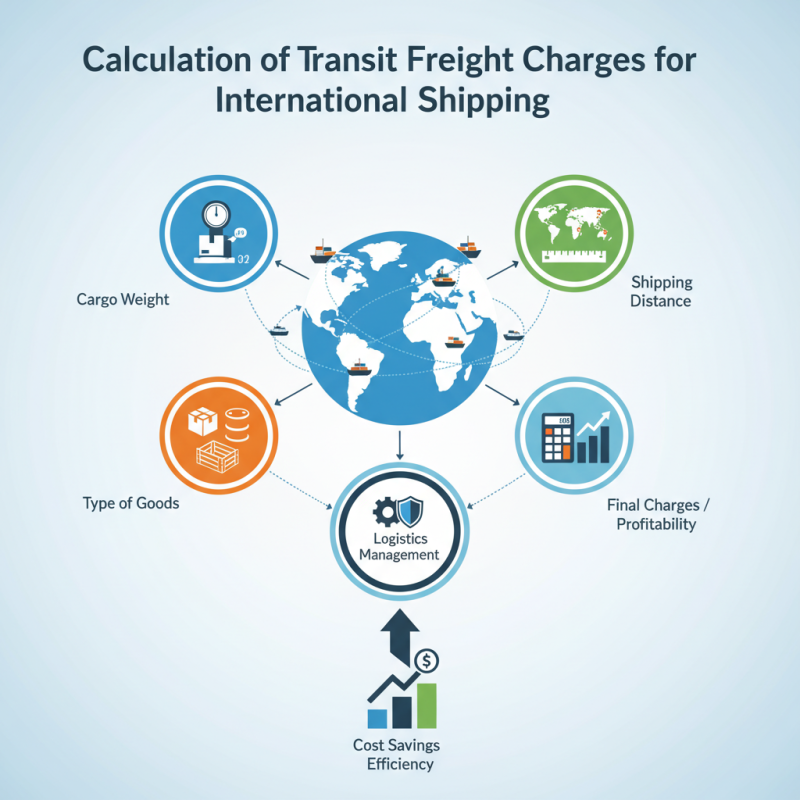
Understanding transit freight charges is crucial for businesses engaged in international shipping. These charges encompass various costs associated with transporting goods across borders. Key components include transportation fees, customs duties, and handling costs. Accurate calculations require understanding how each factor contributes to the overall price.
When calculating these charges, companies must consider the weight and dimensions of the shipment. Large, heavy items typically incur higher fees compared to smaller packages. Additionally, the shipping distance plays a significant role in determining costs. Routes with higher demand may have elevated charges, reflecting market conditions. Factors like fuel prices are also critical, as they fluctuate and impact overall expenses.
Businesses should reflect on their supply chain practices. It’s essential to obtain quotes from multiple carriers. This step helps ensure the best pricing and service quality. Sometimes, opting for slower shipping can reduce costs significantly, though it might affect delivery times. Each decision should weigh the trade-offs between cost and efficiency.
| Dimension | Description | Value |
|---|---|---|
| Origin Country | Country where goods are shipped from | China |
| Destination Country | Country where goods are shipped to | United States |
| Shipping Method | Mode of transport for the shipment | Sea Freight |
| Weight | Total weight of the shipment | 1000 kg |
| Volume | Total volume of the shipment | 10 m³ |
| Freight Rate | Cost per kg or cubic meter | $5 per kg |
| Total Freight Charge | Total estimated charge based on weight and volume | $5000 |
| Additional Charges | Any extra fees excluding freight | $500 |
| Total Cost | Complete cost including all charges | $5500 |
: Incoterms are rules defining buyer and seller responsibilities in international trade.
They specify cost responsibilities, impacting overall shipping expenses significantly.
Misunderstanding them can lead to unexpected costs and disputes in shipping.
Customs fees, duties, and fuel surcharges are common additional costs to consider.
Customs fees differ by country and are influenced by local regulations and product classification.
Request a detailed breakdown of these charges from your shipping provider, as they often fluctuate.
Underestimating these costs can lead to budget overruns and financial strain.
Regularly review trends and reports to make informed budgeting decisions.
It enhances accountability and efficiency in managing supply chains.
Professional guidance can clarify complex terms and prevent costly errors.
Calculating transit freight charges for international shipping is crucial for businesses looking to manage their logistics effectively. This process begins with understanding the basics of transit freight charges, which are influenced by several key factors, including weight, volume, and distance. Knowing how to calculate transit freight charges for international ocean transport requires a comprehensive grasp of Incoterms, which define the responsibilities of buyers and sellers in shipping agreements.
Additionally, it's essential to assess any additional fees that may apply, such as customs duties and fuel surcharges. Utilizing freight rate calculators can greatly enhance the accuracy of cost estimations, allowing businesses to budget effectively for their shipping needs. By considering all these elements, shippers can better navigate the complexities of international freight charges, ensuring a smooth transport process.

 LoJo Logistics