China Top 10 Strategies for Final Mile Residential Transport?

Time:2026-07-01 Author:Aria
0%

Final mile delivery is a critical aspect of logistics, especially in residential areas. As the demand for efficient transport grows, businesses often struggle with this task. According to logistics expert John Smith, “Success in final mile delivery lies in understanding customer needs and local dynamics.” This highlights the importance of a tailored approach in the transport of commercial freight.

Understanding how to handle final mile residential transport for commercial freight requires both strategic planning and adaptability. Many companies overlook the significance of local insights, which can lead to inefficiencies. Conventional methods may not apply in every region. For instance, urban settings can have different challenges than suburban ones, impacting delivery times and costs.

The strategies for optimizing final mile logistics in China involve integrating technology for route optimization and customer communication. Recent trends show that utilizing apps and AI can improve efficiency. While these tools are beneficial, issues like infrastructure limitations and customer expectations must also be addressed. Successfully navigating final mile transport means acknowledging imperfections in existing systems and continuously seeking improvements.
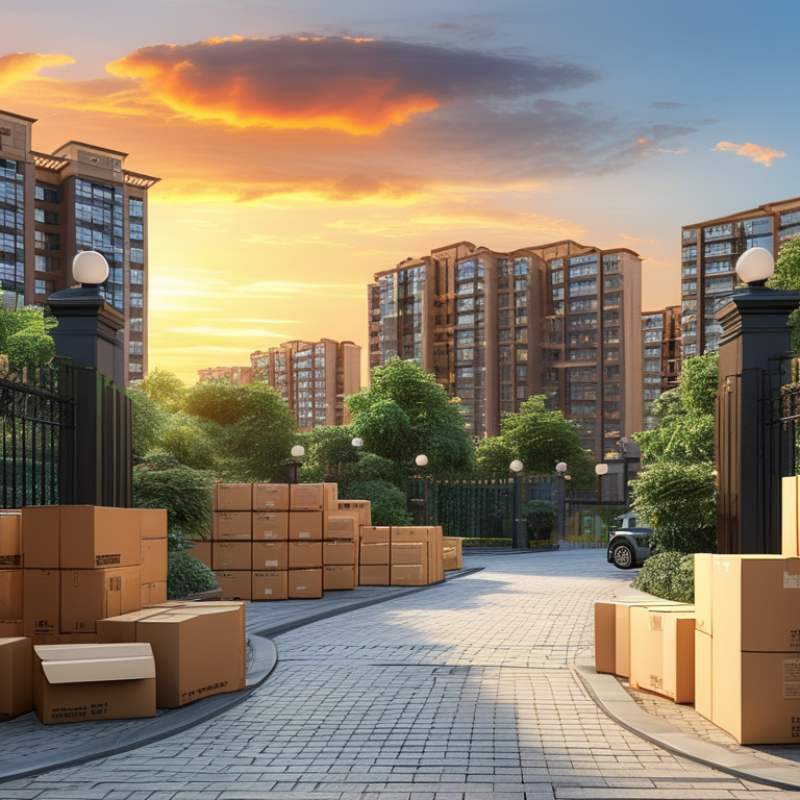
China Top 10 Strategies for Final Mile Residential Transport?

Top Trends in Final Mile Residential Transport in China

The landscape of final mile residential transport in China is evolving rapidly. With the rise of e-commerce, demand for efficient delivery solutions is surging. Companies are exploring variety of strategies to streamline their operations. Urban congestion is a major challenge. Many cities are implementing restrictions on delivery vehicles. This compels transport providers to rethink their approach.

One notable trend is the use of electric vehicles for last-mile deliveries. These vehicles are environmentally friendly and tackle pollution in urban areas. Companies are investing in smart routing technologies. They seek to enhance delivery efficiency and reduce operational costs. Yet, opportunities for improvement remain. Issues such as inconsistent delivery times and package damage still arise. Customers expect a seamless experience, highlighting the need for greater transparency and reliability in the process.

The growing importance of local fulfillment centers cannot be overlooked. These centers can minimize delivery times significantly. However, managing inventory and maintaining operational costs can be complex. Several companies face challenges in balancing efficiency with service quality. Collectively, these trends indicate a vibrant yet challenging market. Embracing innovation is essential for long-term success in China's final mile transport.

Top 10 Strategies for Final Mile Residential Transport in China

Innovative Technologies Enhancing Final Mile Delivery Efficiency

Innovative technologies are reshaping final mile residential transport in China. The rise of mobile applications allows customers to track their packages in real time. Drones are on the horizon, promising faster deliveries in urban areas. However, their effectiveness remains to be tested in crowded environments.


Autonomous vehicles are becoming more prevalent, increasing delivery efficiency. These vehicles can navigate busy streets without human intervention. Yet, there are concerns about safety and regulatory challenges. The reliability of such systems hinges on their ability to adapt to unpredictable situations.


Artificial intelligence plays a crucial role in optimizing delivery routes. By analyzing data, it minimizes delays and reduces costs. Still, the reliance on algorithms raises questions about job security and the potential for bias. This dual-edged sword in technology demands ongoing scrutiny and adjustment.

Challenges Faced by Delivery Services in Urban Areas

Urban delivery services in China face significant challenges. Increasing demand for rapid delivery puts immense pressure on logistics systems. According to a report by the China Express and Logistics Association, over 82 billion packages were delivered in 2022. This figure reflects the growing expectations of consumers for quick and efficient service.

Traffic congestion is a major hurdle. In cities like Beijing and Shanghai, gridlock slows down delivery times. A recent study indicated that delivery personnel in congested areas spend up to 60% of their time in transit rather than making actual deliveries. This inefficiency not only frustrates customers but also increases operational costs for logistics providers.

Another pressing issue is the shortage of skilled workers. The same report noted that the delivery industry faces a workforce turnover rate of around 30% annually. This high turnover leads to inconsistency in service quality. Moreover, training new workers requires time and resources that many companies struggle to allocate. These challenges highlight the urgent need for innovative strategies to streamline final mile delivery in urban centers.

China Top 10 Strategies for Final Mile Residential Transport

Strategy Description Challenges Faced
Crowdsourcing Delivery Utilizing local residents to deliver packages, enhancing flexibility. Quality control and reliability of delivery.
Electric Vehicles Employing electric vans and bikes to reduce emissions. High initial investment and charging infrastructure.
Automated Locker Systems Installing lockers in neighborhoods for easy pickup. Cost of installations and maintenance.
Smart Routing Technology Using AI for optimizing delivery routes. Dependence on real-time data and traffic conditions.
Dedicated Delivery Windows Enabling specific time slots for deliveries to minimize disruptions. Consumer dissatisfaction with delivery time slots.
Data-Driven Insights Leveraging data analytics for improving service quality. Need for skilled personnel to analyze data.
Real-Time Tracking Providing customers with live updates on delivery status. Technological issues and privacy concerns.
Local Partnerships Collaborating with local businesses for optimized logistics. Coordination and trust between partners.
Sustainable Practices Incorporating eco-friendly packaging and logistics. Higher operational costs and consumer acceptance.
Flexible Delivery Options Offering various delivery choices like same-day or next-day. Balancing speed and operational efficiency.

Sustainability Initiatives in Final Mile Logistics

Sustainability initiatives in final mile logistics are increasingly important in China. The country's rapid urbanization demands effective solutions to reduce environmental impact. Traditional delivery methods often contribute to congestion and pollution. Therefore, companies must explore eco-friendly alternatives to enhance their operations.

One promising strategy involves the use of electric vehicles. These vehicles can significantly diminish carbon emissions. However, the charging infrastructure is still developing in many areas. Companies also experiment with bicycle couriers in urban areas. This approach not only cuts emissions but also promotes a healthier workforce. Yet, it may not be suitable for larger items.

Another key initiative is optimizing delivery routes. Using advanced software can reduce travel distance and time. Many firms are investing in technology to enhance efficiency. However, data management presents challenges. Companies must balance technology with ethical considerations around customer privacy. Emphasizing community partnerships can also help localize logistics efforts while fostering a better public image. These efforts reflect a growing commitment to sustainability in a rapidly evolving landscape.

Consumer Preferences Shaping Residential Delivery Options

Consumer preferences are evolving rapidly in the realm of residential delivery. There is a growing demand for convenience and speed. Many consumers now expect same-day delivery. This has prompted companies to reassess their final mile strategies. Speed is not the only factor; customization is increasingly important. Shoppers want options tailored to their needs.

Sustainability also plays a crucial role. Eco-friendly delivery methods are gaining traction. Many consumers are now willing to pay extra for greener choices. However, integrating sustainable practices can be challenging. Companies must find a balance between efficiency and environmental impact. This requires innovative thinking and investment in technology.

Accessibility remains a key consideration. Some consumers live in remote areas, making delivery difficult. Companies must address these challenges to meet diverse needs. Flexible delivery windows are a growing expectation. Customers appreciate being able to choose when their package arrives. Failing to adapt could result in lost sales and dissatisfied customers. Reflecting on these preferences is essential for progress. Embracing change can greatly enhance the final mile experience.

FAQS

: What are the current trends in final mile residential transport in China?

: The trends include the use of electric vehicles and automation. Companies are focusing on smart routing and local fulfillment centers.

How do electric vehicles impact urban deliveries?

Electric vehicles are environmentally friendly and reduce pollution. However, they also require infrastructure support in cities for efficiency.

Why are local fulfillment centers important?

They help minimize delivery times. Yet, managing inventory and costs can be complicated for many companies.

How do mobile applications enhance the delivery experience?

These apps allow customers to track packages in real time. Communication improves, but sometimes information can still be inconsistent.

What challenges do drones face in urban deliveries?

Drones promise faster deliveries but need testing in crowded areas. Safety concerns and regulations complicate their use.

How does artificial intelligence aid in delivery efficiency?

AI optimizes delivery routes and reduces costs by analyzing data. However, it raises concerns about bias and job security.

Conclusion

The article "China Top 10 Strategies for Final Mile Residential Transport" explores the evolving landscape of last-mile delivery in urban areas across China. It highlights key trends such as the rise of innovative technologies that boost delivery efficiency, including automation and real-time tracking systems. Moreover, it addresses the significant challenges faced by delivery services, such as traffic congestion and varying urban infrastructures. Sustainability initiatives aimed at reducing the carbon footprint of logistics operations are also discussed, reflecting a growing consumer preference for environmentally friendly options in residential delivery.

As businesses seek to improve their logistics strategies, understanding how to handle final mile residential transport for commercial freight is crucial. Consumer preferences play a pivotal role in shaping delivery options, pushing companies to adapt their services to meet the demands of an increasingly competitive market. By implementing effective strategies that encompass technology, sustainability, and customer-centric solutions, businesses can enhance their final mile delivery processes and achieve greater success in the residential transport sector.

Aria

Aria

Aria is a dedicated marketing professional with a deep passion for innovative strategies and a keen understanding of our company's product offerings. With a wealth of experience in the industry, Aria excels at crafting engaging content that highlights the unique features and benefits of our......