Choosing a shipping service from China is not only about the ocean crossing. It also determines who handles the cargo before departure and after arrival. A container may leave a Shanghai terminal smoothly, yet still need customs processing, local trucking, and careful delivery coordination. Small details matter.
So, what is the difference between port-to-port and door-to-door transport? Port-to-port shipping covers the sea journey between two specified ports. The shipper or consignee usually arranges transport to the origin port and from the destination port. Door-to-door service can include pickup at the supplier’s address, export handling, ocean freight, import procedures, and delivery to the final address. The exact scope varies by provider, route, and service terms. “Door-to-door” does not automatically mean every charge or task is included.
Lars Jensen, a container-shipping analyst and founder of Vespucci Maritime, has emphasized the importance of understanding how container transport works beyond the ship itself. A practical takeaway is simple: compare the full service scope, not just the ocean-freight price. Ask who books each truck, handles each handoff, and reports extra charges. Get the answers in writing. Port-to-port may suit experienced shippers with reliable local partners. Door-to-door can reduce coordination work, but it may cost more and still require close review. Neither option wins in every case. The best choice depends on your cargo, delivery address, budget, and appetite for managing details.
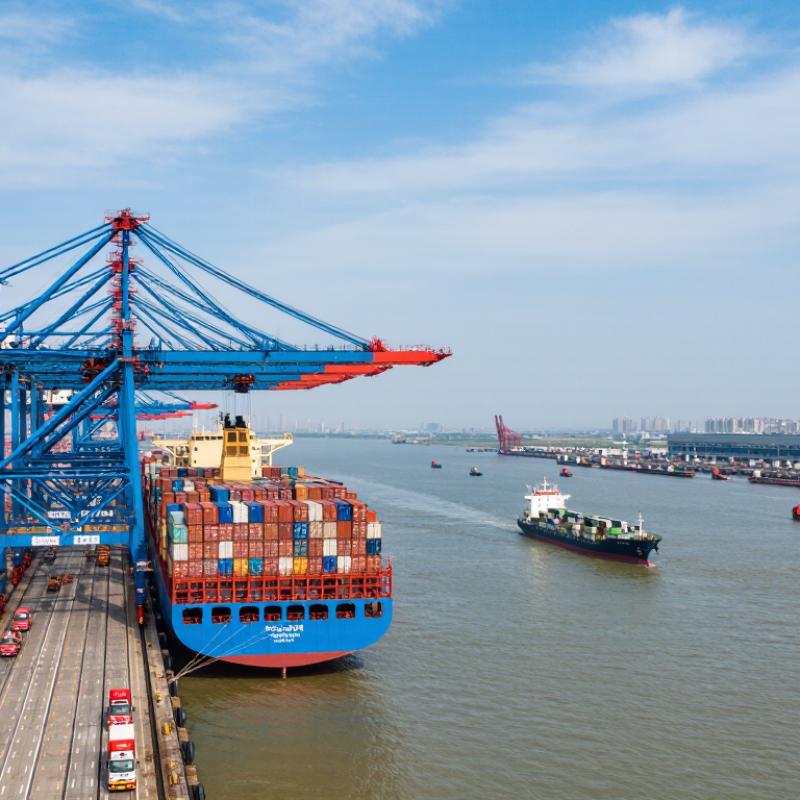
When shipping from China, port-to-port means cargo moves between two named seaports. The seller or forwarder handles export arrangements and loading at the origin port. At destination, the buyer usually manages customs clearance, pickup, and inland delivery. This option can cost less when you have a trusted local agent, warehouse, or trucking company. It also gives you more control over the final leg. But responsibility changes hands quickly. A missed document can leave a container waiting at the terminal.
Door-to-door shipping covers the journey from a supplier’s address to the delivery address. The transport provider coordinates pickup, ocean freight, destination handling, customs support, and final trucking. The exact service still depends on the quotation. Some providers exclude duties, storage, inspection fees, or remote-area surcharges. Ask for a written list of included charges and delivery points. A clear address matters. “Door” might mean a warehouse entrance, not an upstairs room.
In practice, port-to-port suits experienced importers with reliable destination contacts. Door-to-door is often easier for small businesses or first-time shippers. I have seen delivery plans fail because the buyer measured only ocean freight. The last truck, appointment, and unloading equipment mattered more. Door-to-door is not automatically safer or cheaper. Port-to-port is not automatically difficult. Compare transit time, cargo size, insurance terms, customs responsibility, and possible delays before booking. My own preference changes with the shipment; a simple pallet and a complex oversized load rarely deserve the same plan.
Shipping from China usually starts with choosing where responsibility ends. Port-to-port service moves cargo from an origin port to a destination port. The buyer handles inland delivery, customs coordination, and final transport. A freight forwarder may arrange export booking and loading. The seller must provide accurate invoices, packing lists, weights, and dimensions. Small errors can delay cargo release.
Door-to-door shipping covers more ground. Cargo is collected at the Chinese supplier’s warehouse, moved to the export terminal, cleared, shipped, imported, and delivered to the named address. The quoted service may include several transport legs, but not every fee. Confirm whether duties, taxes, storage, unloading, and residential delivery are included. Tracking can show each handoff. That detail matters when cartons arrive late or damaged.
In practice, port-to-port can suit experienced importers with local agents and steady volumes. Door-to-door usually reduces coordination for smaller buyers. It may cost more per shipment. I would compare landed cost, not just freight. A low ocean rate can lose its advantage after destination handling charges. Port schedules also shift, so delivery dates are never guaranteed. Door-to-door feels simpler, yet carrier selection may be limited. Port-to-port offers more control, but it demands time and knowledge. Ask for a written scope, transit estimate, and charge list before booking.
Port-to-port shipping covers the ocean journey between two seaports. Door-to-door service adds collection from the supplier and delivery to the receiving address. The price difference can look large on a quote. Yet the comparison is only fair when both quotes include the same services, such as export handling, destination charges, and final delivery.
Transit time also depends on more than sailing days. A port-to-port shipment may arrive quickly, but customs processing, terminal queues, and inland transport still need time. Door-to-door service can make these steps easier to coordinate, though it cannot prevent delays. A container waiting for a truck is still waiting.
Responsibility is where the choice often becomes clearer. With port-to-port service, the buyer usually arranges more tasks at each end and tracks separate providers. Door-to-door service places more coordination with one logistics provider, but the shipper should check exactly where that responsibility begins and ends. Is unloading included? Are storage charges excluded? Small details matter. I once saw a low ocean quote become less attractive after local handling fees appeared. That is not always a warning sign; it is a reason to compare itemized costs and realistic delivery dates.
Port-to-port shipping suits experienced buyers with reliable local transport. The carrier moves cargo between Chinese and destination ports. The buyer handles trucking, customs clearance, and final delivery. This method works well for full containers, bulk materials, and regular commercial cargo. A warehouse near the destination port can reduce inland costs. It also gives buyers more control over delivery timing. Cheap on paper. However, port storage charges can rise quickly when documents or trucks are delayed.
Door-to-door shipping is more suitable for small businesses and first-time importers. The service usually includes pickup, ocean transport, customs coordination, and delivery to a stated address. It helps with cartons, samples, furniture, and mixed commercial shipments. A buyer can track one transport plan instead of managing several providers. This convenience often justifies a higher price. Still, the quoted fee may exclude duties, residential access, waiting time, or special unloading equipment. Ask for a written breakdown before booking.
The best choice depends on cargo size, destination access, staff experience, and delivery urgency. A full container going to an industrial warehouse may favor port-to-port service. Ten cartons going to a small shop may be easier door-to-door. Check packaging, cargo dimensions, insurance terms, and customs documents carefully. In practice, buyers sometimes choose the cheaper option and later regret the extra coordination. I have found that a slightly higher, clearer quote can be safer than a low estimate with missing charges.
Choosing the right shipping option starts with your actual delivery needs, not the lowest quoted price. Port-to-port shipping moves cargo between two seaports. It usually suits experienced importers with reliable trucks, warehouse staff, and customs support at both ends. For example, a supplier may deliver a sealed container to the departure port, while your team collects it near the destination port.
It can reduce costs. However, port handling, storage, inland transport, and customs charges may appear separately. A low ocean freight quote can become expensive after arrival. Check the full cost, including loading, documentation, insurance, destination fees, and possible demurrage. Ask who manages each step. Ambiguity causes delays.
Door-to-door shipping offers a more coordinated service from the seller’s location to your address. It may be better for small businesses, residential deliveries, or shipments requiring final-mile delivery. You should confirm whether the quotation includes customs clearance, taxes, unloading, and delivery appointments. The phrase “door-to-door” does not always cover every charge.
Measure your control level honestly. If you already manage local carriers, port-to-port may provide flexibility and savings. If your staff lacks import experience, door-to-door service can reduce operational pressure. I once underestimated destination handling costs on a seemingly cheap shipment. That mistake changed my checklist. Compare written quotations, transit milestones, cargo dimensions, and liability terms before booking. Leave room for delays. Real shipping rarely follows the perfect schedule.
A practical comparison for selecting the right shipping option
Port-to-port shipping covers the main ocean freight movement between two seaports, while door-to-door shipping can include origin pickup, ocean transport, customs coordination, and final delivery. Choose port-to-port when you have reliable local logistics partners and want greater control over inland transport. Choose door-to-door when convenience, simplified coordination, and end-to-end delivery are more important.
Cargo moves between two named seaports. The buyer usually manages customs, pickup, trucking, and final delivery.
Cargo travels from the supplier’s address to the stated delivery address. Pickup, ocean transport, handling, and final trucking may be included.
It suits experienced importers with local agents, warehouses, or reliable trucking contacts. Control is higher, but coordination takes time.
Small businesses and first-time importers may prefer it. One transport plan can cover cartons, samples, or furniture deliveries.
Not always. Destination storage, truck fees, and delayed documents can increase the final cost quickly.
No. Duties, taxes, unloading, storage, and remote-area fees may be excluded. Read the quotation carefully.
Ask for included charges, excluded charges, delivery points, transit estimates, customs responsibility, and insurance terms.
It may mean a warehouse entrance or building entrance. It may not include upstairs delivery or special unloading.
Port-to-port may suit a full container going to an industrial warehouse. Nearby trucking can keep inland costs manageable.
Door-to-door may reduce coordination. Still, confirm delivery access, appointment rules, and unloading needs before booking.
Choosing the right shipping method from China depends on your cargo, budget, delivery requirements, and ability to manage logistics. Port-to-port shipping moves goods from a Chinese port to a destination port, while the buyer usually handles customs clearance, inland transport, and final delivery. Door-to-door shipping provides a more complete service, arranging transportation from the supplier’s location to the buyer’s address, often including customs coordination and local delivery. The key question is: what is the difference between port-to-port and door-to-door transport? In simple terms, port-to-port offers greater control and may cost less, while door-to-door offers convenience and fewer responsibilities for the buyer.
Cost, transit time, shipment size, and cargo type should all be considered before making a decision. Port-to-port shipping may suit experienced importers with established local logistics networks or large, standard shipments. Door-to-door shipping is often more suitable for smaller businesses, first-time buyers, urgent orders, or anyone seeking a simpler process. Comparing service coverage, estimated delivery time, total costs, and responsibility at each stage can help you select the most practical option.

LoJo Logistics