In the world of logistics, door-to-door freight transport services offer convenience and efficiency. However, many businesses overlook certain costs that can significantly affect their budgets. When considering these services, it is crucial to ask, "what are the hidden costs in door-to-door freight transport services?"
Understanding these hidden costs can help shippers avoid unpleasant surprises. For instance, charges for fuel surcharges, customs fees, or unexpected delays can add up quickly. Additionally, insurance premiums for protecting goods during transit can be a burden. These factors often lead to increased overall expenses, impacting profits.
Navigating the complexities of freight transport requires careful analysis. Many companies fail to fully account for all associated costs. Taking time to assess these elements is essential for making informed decisions. Recognizing hidden costs can lead to smarter budgeting and better logistics strategies. With awareness, businesses can enhance their delivery services while minimizing unnecessary expenditures.
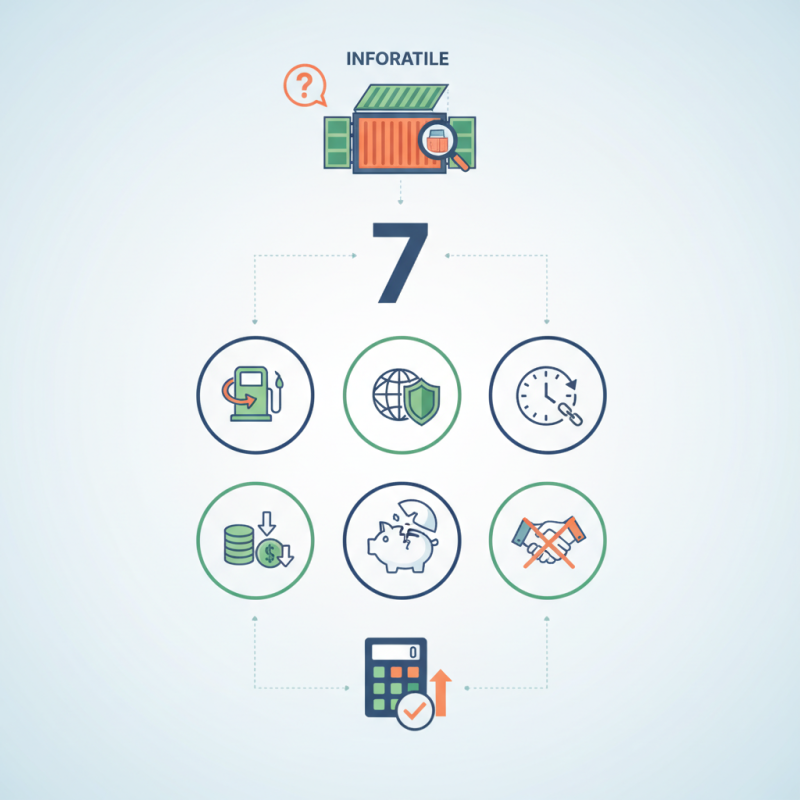
Door-to-door freight transport services offer a seamless solution for goods movement. However, understanding these services is crucial to avoid unexpected expenses. Each step of the journey can incur hidden costs that may not be immediately apparent. These charges can arise from additional handling, customs clearance fees, or unexpected delays, which lead to additional storage costs. Shippers often find themselves scrambling to manage these charges post-delivery.
The importance of having thorough knowledge cannot be overstated. Knowing your freight terms is essential. This knowledge helps in budgeting effectively. Many assume that the quoted price includes all expenses, but this is rarely the case. Miscommunication with service providers can lead to oversights. Thus, reviewing contracts carefully is vital. Often, the fine print can reveal extra fees related to fuel surcharges or security handling.
Being proactive about these hidden costs can save money in the long run. Engage with experts in freight logistics who can guide your understanding of potential pitfalls. Learning from past experiences can enhance decision-making. It's necessary to question every aspect of the service, ensuring transparency in pricing. This vigilance is the key to a smooth shipping experience, as oversights can lead to costly surprises.
| Cost Type | Description | Estimated Cost Range |
|---|---|---|
| Fuel Surcharges | Additional fees based on current fuel prices impacting transport costs. | 5% - 15% |
| Customs Clearance Fees | Charges for customs documentation and processing at borders. | $100 - $500 |
| Insurance Costs | Premiums paid to insure goods against loss or damage during transport. | 1% - 3% of cargo value |
| Handling Fees | Fees for loading and unloading freight at logistics hubs. | $50 - $200 |
| Storage Fees | Costs incurred for storing cargo before or after delivery. | $20 - $100 per day |
| Delivery Delay Penalties | Fines incurred due to late delivery of goods. | Variable, often $50+ per day |
| Documentation Fees | Charges for preparing and processing transport documentation. | $25 - $150 |
: Hidden costs include insurance, liability fees, taxes, duties, and surcharges. These can impact your overall budget significantly.
Understanding liability helps determine who is responsible for losses or damages. It can prevent future disputes related to shipments.
Unforeseen fees can disrupt budgets. They're often not disclosed upfront, leading to unexpected expenses during shipping.
Basic insurance may not cover all risks. Evaluate the value of your goods to choose suitable insurance coverage.
Delays can lead to lost revenue, penalties, and eroded customer trust. Each late shipment can inflate operational expenses.
Use reliable tracking systems and maintain communication with customers. This can help manage expectations and maintain transparency.
Yes, oversized or delicate items often incur extra charges. Clarifying potential fees with your provider is essential.
Missing or incorrect documents can lead to delays and penalties. Accurate paperwork saves time and reduces costs.
Understanding all potential fees and reflecting on past shipments can enhance budgeting strategies for future transports.
Rising oil prices can increase fuel surcharges, leading to higher shipping costs unexpectedly. Be prepared for these fluctuations.
In the realm of logistics, understanding door-to-door freight transport services is essential for businesses looking to manage their shipping costs effectively. A critical aspect of this process is recognizing what are the hidden costs in door-to-door freight transport services. These often-overlooked expenses can include insurance and liability charges, which protect against potential damages during transit. Additionally, unforeseen fees such as taxes, duties, and surcharges can significantly affect the overall cost of transportation.
Moreover, service delays can compound these hidden costs by extending delivery times and incurring additional charges. By identifying and understanding these common hidden costs in freight transport, businesses can make more informed decisions and better anticipate shipping expenses, ultimately leading to more efficient logistics management.

 LoJo Logistics