In today's interconnected world, efficient logistics play a crucial role in global commerce. Understanding "why is multimodal transport essential for global door-to-door transit" becomes vital. Renowned logistics expert Dr. Sarah Thompson emphasizes, "Multimodal transport enhances flexibility, reducing transit times and costs." This statement reflects the growing demand for swift and reliable delivery solutions.
Multimodal transport combines various modes of transportation, such as rail, road, air, and sea. Each mode has its advantages, and their integration creates a seamless flow of goods. For instance, a shipment may travel by air for speed, then switch to trucks for local delivery. This strategy ensures that packages reach consumers faster and efficiently.
However, challenges persist. Coordination among different transport modes can introduce delays. Additionally, infrastructure limitations may hinder smooth transitions. Addressing these issues is essential to harness the full benefits of multimodal transport. In conclusion, embracing and improving this logistics approach is key to meeting the demands of today's global marketplace.
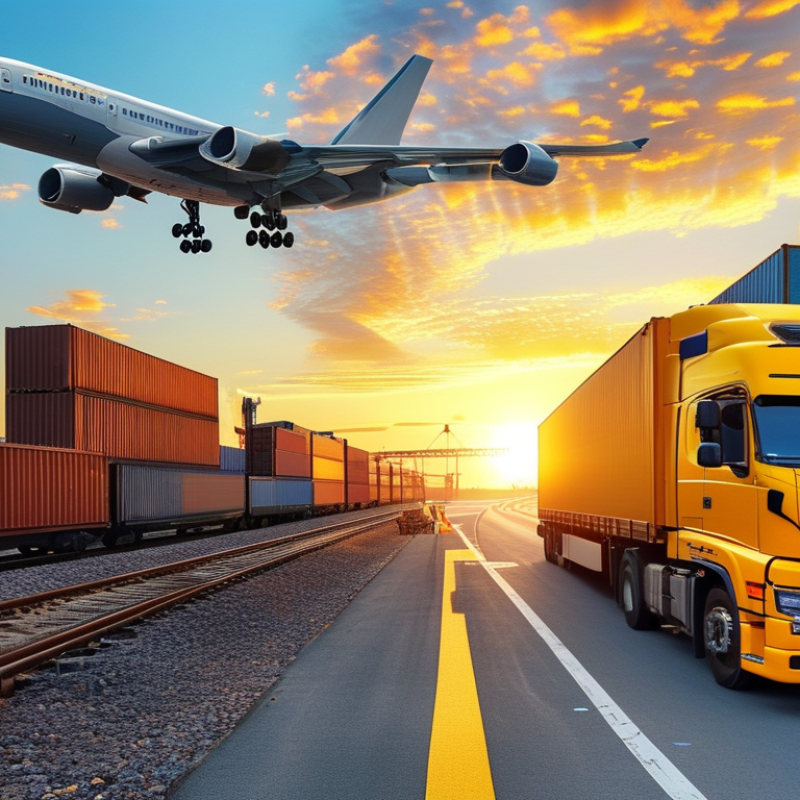
Multimodal transport is essential in today's logistics arena. By integrating different transport modes, companies streamline their operations. It ensures goods reach their destination faster and more efficiently. This system combines air, sea, road, and rail transport. Each mode offers unique advantages, enhancing flexibility in supply chains.
Understanding multimodal transport requires acknowledging its complexities. Coordination across various transport systems can be challenging. Each mode must connect seamlessly, avoiding delays. Miscommunications can lead to increased costs and dissatisfied customers. Throughout the process, real-time tracking becomes crucial, keeping all parties informed.
A successful multimodal strategy hinges on collaboration among stakeholders. This involves shippers, transportation providers, and customs officials. Effective partnerships align goals and streamline procedures. Flaws may arise, such as unexpected regulatory changes. Adapting to these issues requires quick thinking and flexibility. Overall, mastering multimodal transport can profoundly impact global logistics, but vigilance remains vital.
Multimodal transport plays a vital role in global door-to-door delivery systems. By combining multiple transportation modes—such as road, rail, sea, and air—this approach reduces transit time and increases efficiency. According to the World Bank, multimodal solutions can decrease logistics costs by up to 30% compared to traditional single-mode approaches. This considerable saving is crucial for businesses aiming to stay competitive.
The integration of various transport methods optimizes routes and minimizes delays. A recent study revealed that over 70% of supply chain professionals prefer multimodal transport for its flexibility. However, challenges persist in standardizing data across modes and ensuring seamless connectivity. Instances of lost shipments and miscommunication can still occur, highlighting the need for improved technology and tracking systems.
Moreover, sustainability is a growing concern. The International Maritime Organization reports that multimodal transport can reduce carbon emissions significantly. However, the environmental impact of some transport methods should not be overlooked. Balancing efficiency with sustainability is essential as businesses navigate these complex logistics landscapes. This calls for ongoing reflection and reevaluation of practices, ensuring that advancements truly benefit the global delivery framework.
Multimodal transport is essential in achieving effective global door-to-door delivery. It combines various transportation methods. These can include trucks, ships, and trains. Each mode has its strengths. For instance, trucks offer flexibility, while ships handle large volumes efficiently. Balancing these modes is crucial for timely deliveries.
Effective multimodal strategies require collaboration and planning. Clear communication between all parties involved helps prevent delays. Real-time tracking systems can enhance visibility. Knowing where a shipment is at all times gives companies an edge. However, technology can fail. Systems may go offline or provide inaccurate data, leading to confusion.
Training personnel is another critical component. Staff need to understand the nuances of each transport mode. They should also be adept at problem-solving. Unexpected challenges often arise in logistics. Having well-trained people can make a significant difference. Regular reviews of transport strategies and outcomes can help identify areas for improvement. Embracing a culture of adaptation is vital for success in the dynamic world of global shipping.
Implementing multimodal transport solutions for global door-to-door delivery faces significant challenges. One fundamental issue lies in the coordination between different modes of transport. Each mode has its own set of regulations, operating procedures, and timeframes. This complexity can lead to delays and inefficiencies, particularly if communication is poor. A lack of unified tracking systems complicates this further. Stakeholders may struggle to synchronize their operations without a central platform.
Another challenge involves infrastructure limitations. Some regions may lack the necessary facilities for multimodal transport, such as intermodal terminals. This can hinder the seamless transfer of goods between transport modes. Additionally, not all locations have adequate road networks or port facilities. This can create bottlenecks that affect delivery times. Adapting infrastructure to support multimodal systems requires substantial investment, which many stakeholders may be hesitant to undertake.
Furthermore, the skill gap in workforce knowledge exists. Not everyone involved is trained in handling multiple transport modes. Understanding the intricacies of logistics across different platforms demands expertise. This lack of knowledge can result in mistakes, impacting service reliability. Continuous training and development are crucial for overcoming these issues. However, the time and resources required for this can deter many organizations from fully committing to multimodal transport solutions.
The future of global commerce hinges on advancements in multimodal transport. This method combines various transport modes, enhancing efficiency and reducing costs. As markets grow increasingly interconnected, facilitating smooth door-to-door delivery becomes essential. Future trends indicate rising technological integration. Real-time tracking systems and data analytics will streamline logistics.
However, challenges persist. Coordination across multiple transport methods can lead to delays. Furthermore, environmental considerations prompt a search for sustainable practices. Adopting electric vehicles and optimizing shipping routes may mitigate carbon footprints. Yet, the transition requires comprehensive strategy adjustments and industry-wide collaboration.
Transitioning to multimodal transport is not without its complexities. Stakeholders must focus on upskilling supply chain workers. This evolution demands both expertise and adaptability. While the future holds promise, it also necessitates careful reflection on operational challenges and solutions. Balancing speed with reliability remains a critical pursuit for businesses worldwide.
: Multimodal transport combines various methods like trucks, ships, and trains. Each has unique strengths.
Clear communication helps prevent delays. It ensures all parties are on the same page during transport.
Each mode has its own regulations. Poor communication can lead to inefficiencies and delays.
Real-time tracking enhances shipment visibility. However, technology can fail or provide inaccurate data.
Some regions lack the facilities needed for seamless transfers. This can create delivery bottlenecks.
Trained staff can handle unexpected challenges effectively. Knowledge gaps can result in costly mistakes.
Increasing technological integration and sustainability efforts are shaping future practices in global commerce.
Upskilling supply chain workers is necessary. Adaptability will be vital for navigating operational challenges.
It aims to enhance efficiency while reducing costs in an increasingly interconnected market.
Organizations need to reflect on operational challenges. Balancing speed with reliability is key to success.
Multimodal transport plays a crucial role in global logistics, enabling efficient door-to-door delivery across diverse geographical regions. Understanding its inherent advantages, such as cost-effectiveness, reduced transit times, and improved flexibility, is essential for businesses aiming to optimize their supply chains. The key components of effective multimodal strategies include seamless coordination between different transport modes and comprehensive planning to address potential challenges during implementation.
However, there are significant challenges to overcome, including regulatory complexities and the need for advanced technology to track shipments effectively. As global commerce evolves, future trends in multimodal transport will likely focus on sustainability and enhanced integration of digital solutions. Thus, understanding why multimodal transport is essential for global door-to-door transit is vital for companies looking to thrive in a competitive marketplace.

LoJo Logistics