How to Transition from Port Pickup to Door to Door Transport?

Time:2026-08-11 Author:Isabella
0%

Transitioning from port pickup to seamless door-to-door transport can be a complex process. It involves careful planning and coordination. Businesses often face challenges during this shift, which can affect efficiency and customer satisfaction.

Understanding how to transition from port pickup to seamless door-to-door transport requires expertise. It involves managing logistics, communication, and tracking. You must ensure that the entire chain of transport operates smoothly. Each detail matters, from pickup locations to final delivery points.

Learning from past experiences is vital. Companies may encounter unexpected delays or miscommunications. These issues highlight the need for reliable partners and clear protocols. An effective transition builds a solid foundation for future shipping successes. Embracing these challenges can lead to improved service and stronger customer relationships.
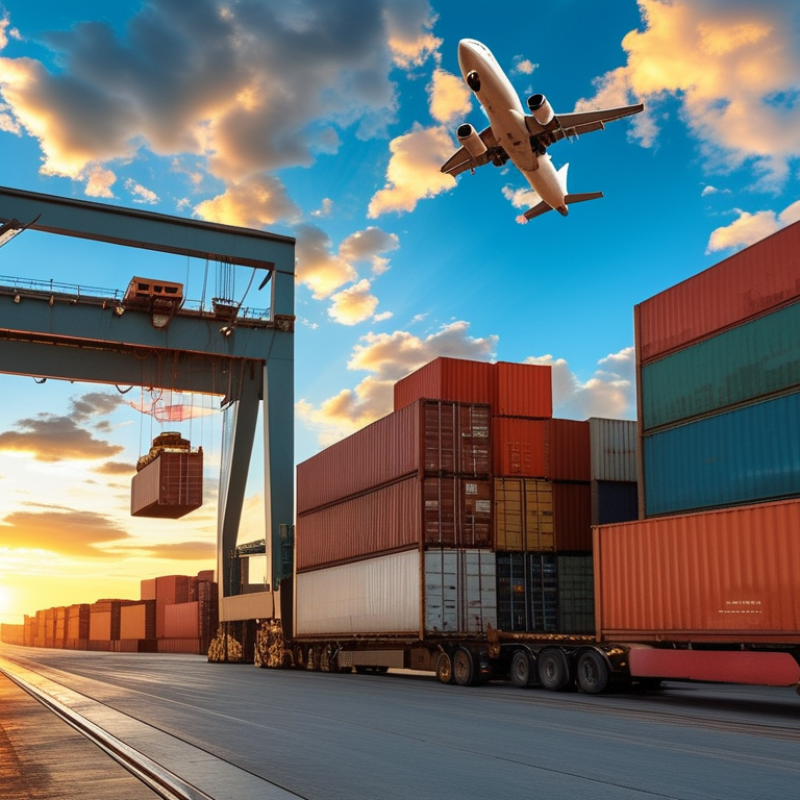
How to Transition from Port Pickup to Door to Door Transport?

Understanding the Basics of Port Pickup and Door to Door Transport

Transitioning from port pickup to door-to-door transport involves understanding the nuances of logistics. Port pickup typically involves receiving goods at a shipping port. This process can be complex. Port operations include customs clearance, which can vary based on destination regulations. According to the International Maritime Organization, approximately 80% of global trade by volume is moved by sea, underscoring the importance of efficient port operations.

Door-to-door transport, however, demands a more integrated approach. It encompasses not just shipping but also final delivery to the designated address. This method often reduces transit times. A report by the World Bank indicates that logistics costs account for 13-15% of the total cost of goods sold. In many cases, businesses find it challenging to manage these logistics seamlessly.

The shift to door-to-door services may reveal unexpected challenges. For instance, delivery times can be impacted by road conditions or border checks. It's essential to consider local infrastructures and delivery capabilities. While door-to-door transport aims for convenience, it often requires careful planning and coordination. Adapting to these factors can enhance service efficiency and customer satisfaction.

Transition from Port Pickup to Door to Door Transport

Identifying Key Differences between Port Pickup and Door to Door Services

Transitioning from port pickup to door-to-door transport involves understanding key differences between these two services. Port pickup typically requires customers to arrange for cargo pickup from a shipping port. This means dealing with port procedures and potential delays. In contrast, door-to-door transport includes a door pickup and delivery service, streamlining the process for customers.

One major difference lies in logistics. Port pickup often involves several steps. Customers must coordinate with carriers and handle customs paperwork. In door-to-door transport, a single service provider manages the entire process. This can save time and reduce frustration. However, this convenience can come with higher costs. Customers should weigh the benefits against their budgets.

Another aspect to consider is tracking and communication. Port pickups may lack real-time updates, resulting in uncertainty. Meanwhile, door-to-door services often provide better visibility. You can receive notifications throughout the transport process. However, these services may also face delays due to factors like traffic or bad weather. Understanding these nuances can help you make informed decisions about your shipping needs.

How to Transition from Port Pickup to Door to Door Transport? - Identifying Key Differences between Port Pickup and Door to Door Services

Criteria Port Pickup Door to Door
Service Coverage Limited to port locations Covers entire route from origin to final destination
Cost Structure Generally lower initial costs Potentially higher total costs due to added services
Handling Responsibility Responsibility shifts at the port Responsibility remains with the service provider until delivery
Delivery Speed Can be slower due to extra handling Typically faster as services are integrated
Customs Clearance Handled at the port Usually managed before final delivery
Tracking Limited tracking once goods leave the port Comprehensive tracking from pickup to delivery

Evaluating the Benefits of Transitioning to Door to Door Transport

Transitioning from port pickup to door-to-door transport presents several advantages. It streamlines logistics, eliminates the need for multiple handlers, and enhances overall efficiency. Customers appreciate the convenience of receiving shipments directly at their address. This method reduces the risk of loss or damage during transfers. Moreover, it builds trust and satisfaction among clients.

Tips: Always assess your service providers. Their reputation matters greatly. Look for those with a track record in door-to-door transport. Ensure they offer real-time tracking to keep you updated on your shipment.

Consider the cost implications. While door-to-door services might seem pricier upfront, they could save money in the long run. No additional transport fees mean fewer unexpected expenses. However, you must weigh these costs against your specific needs and situation. This evaluation is crucial for making an informed decision.

Step-by-Step Guide to Implementing Door to Door Transport Solutions

Transitioning from port pickup to door-to-door transport involves careful planning. This change requires understanding logistics and adapting to customer needs. An essential step is assessing your current shipping model. Identify the gaps in service. Customers may want their goods delivered directly. The shift to door-to-door can enhance customer satisfaction and create a competitive edge.

Next, create a comprehensive transport plan. This plan should detail all aspects, including pickup, delivery, and tracking. Involve all stakeholders. You may face challenges like route optimization and cost management. Continuous monitoring is crucial. Evaluate the effectiveness of your new system regularly. This will help pinpoint areas for improvement and adjust your strategy accordingly. Keep an open line of communication with your customers. Their feedback can guide you in refining your services.

Best Practices for Managing Logistics during the Transition Process

Transitioning from port pickup to door-to-door transport can be complex. Managing logistics effectively is crucial during this shift. It is important to analyze current processes. Identify bottlenecks and potential issues early. Regular communication with all stakeholders can mitigate misunderstandings.

Investing in technology can streamline tracking and coordination. Use software that offers real-time updates. This provides transparency to customers and logistics managers alike. Ensure that every party involved understands the new procedures. Training sessions can bridge knowledge gaps. However, not all employees may adapt quickly, which could cause delays.

Evaluate partnerships with reliable transport companies. They should be capable of handling door-to-door services efficiently. Consider feedback from customers about the transition. Their experiences will highlight areas that need improvement. Constantly review practices to enhance service delivery. Flexibility and a willingness to adapt will lead to success in this logistics transformation.

FAQS

: What is the main difference between port pickup and door-to-door transport?

: Port pickup requires customers to arrange cargo pickup from a shipping port. Door-to-door includes pickup and delivery to your location.

Are there multiple steps involved in port pickup?

Yes, port pickup often requires customers to coordinate with carriers and manage customs paperwork. This can be time-consuming.

Is the logistics process easier with door-to-door transport?

Yes, door-to-door transport is streamlined. A single service provider manages the entire process, reducing frustration.

Can I track my shipment easily with door-to-door services?

Generally, yes. Door-to-door services offer better visibility and real-time updates throughout the transport process.

Are door-to-door services more expensive than port pickup?

They can be more costly. However, consider potential savings from avoiding additional transport fees and unexpected expenses.

What should I consider when choosing a service provider?

Check their reputation, experience in door-to-door transport, and if they provide real-time tracking updates.

Do door-to-door services have any risks?

Yes, they can also face delays from factors like traffic or bad weather. Awareness of these factors is essential.

Why is it important to assess costs before switching services?

Evaluating the costs against your specific needs helps in making an informed decision for your shipping strategy.

Conclusion

Transitioning from port pickup to seamless door-to-door transport involves understanding the core principles of both shipping methods. This transition requires a clear identification of the differences between port pickup and door-to-door services, as well as an evaluation of the numerous benefits that the latter offers, including enhanced customer satisfaction and increased efficiency.

A step-by-step guide will facilitate the implementation of door-to-door transport solutions, ensuring that the logistics process is effectively managed during this transition. Best practices for navigating the logistics of this change will also be highlighted, allowing businesses to streamline operations and optimize their supply chain. By following these guidelines, organizations can successfully learn how to transition from port pickup to seamless door-to-door transport, ultimately leading to improved service delivery.

Isabella

Isabella

Isabella is a dedicated marketing professional with a sharp focus on driving brand growth and engagement through strategic content creation. With an extensive background in digital marketing, she combines her passion for storytelling with her keen understanding of industry trends to deliver......