Why Arrange Transport for Oversized Industrial Machinery by Sea?

Time:2026-06-19 Author:Henry
0%

Transporting oversized industrial machinery by sea requires careful planning and expertise. John Smith, an industry veteran with over 20 years of experience, emphasizes, "Understanding the dimensions and weight of machinery is crucial for safe transport." This insight underscores the need for precise arrangements.

When considering how to arrange transport for oversized industrial machinery by sea, logistics plays a vital role. Proper documentation, securing permits, and selecting the right vessel are essential steps. Each machinery type has unique transportation requirements. For instance, certain machines may require flat racks or custom cradles for safe ocean transit.

Moreover, one must consider potential challenges. Weather conditions can delay shipments. Additionally, unforeseen costs may arise if proper logistics aren’t in place. Hence, engaging with seasoned professionals is invaluable. Their expertise can mitigate risks and enhance the success of the transport process. Preparing thoroughly can prevent costly setbacks, making the journey smoother for oversized machinery.
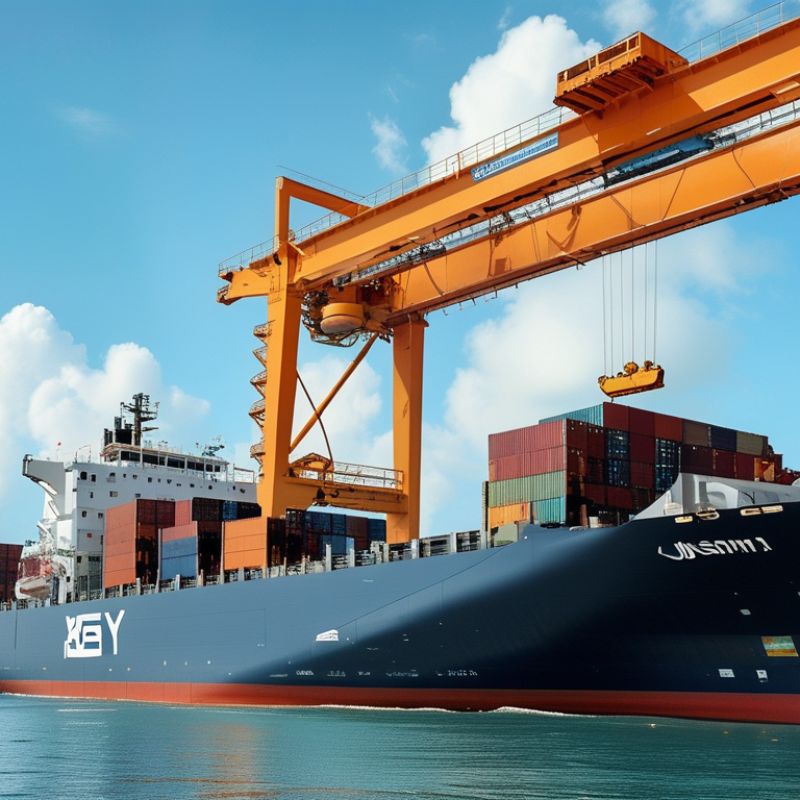
Why Arrange Transport for Oversized Industrial Machinery by Sea?

Benefits of Sea Transport for Oversized Machinery Logistics

Transporting oversized industrial machinery by sea offers numerous advantages crucial for logistics efficiency. Sea transport is particularly beneficial for heavy machinery, which often exceeds the weight and dimensions that road or air transport can handle. According to a Logistics report, around 80% of the world's cargo is moved via sea, underscoring this mode's reliability. The use of specialized vessels can accommodate large dimensions, and the cost per ton is significantly lower compared to air freight.

Additionally, sea transport allows for better inventory management. Larger shipments can be consolidated, reducing the frequency of transport. This approach can lead to a 20% cost reduction in logistics, as reported by industry experts. However, the longer transit times associated with sea transport should be factored into project timelines. This might not suit every scenario, especially for time-sensitive machinery.

Moreover, environmental considerations cannot be overlooked. Sea transport usually has a lower carbon footprint compared to road and air transport. Reports indicate that shipping by sea can reduce emissions by up to 60% per ton-kilometer. While concerns about potential delays and unpredictable weather must be considered, the long-term benefits of cost efficiency and sustainability are undeniable.

Factors to Consider When Choosing Sea Transport for Heavy Equipment

When choosing sea transport for oversized industrial machinery, several critical factors come into play. The dimensions and weight of the equipment significantly impact shipping costs and logistics. According to a recent industry report, oversized cargo shipping costs can be 30% higher than standard freight due to the need for special handling. It’s essential to determine if the machinery fits standard shipping containers or if it requires flat-rack transport.

Understanding port accessibility is another vital consideration. Not all ports can accommodate oversized shipments. Research suggests that about 25% of global ports lack the infrastructure for heavy equipment. This limitation can result in additional transportation costs to reach a more suitable port.

Tips: Ensure to verify your chosen port's capabilities. Confirm if they have the necessary cranes and support equipment for unloading. Planning transport routes is equally important. Look for potential road restrictions that might complicate delivery.

Weather conditions can also affect sea transport. Severe weather may delay shipments and increase risk. Regularly consult marine forecasts during transit planning. Proper insurance coverage needs to be in place to mitigate potential losses from unforeseen circumstances. Be aware that factors like delays and shipping schedule changes may occur, impacting overall project timelines.

Comparing Sea Transportation with Other Methods for Heavy Machinery

Transporting oversized industrial machinery by sea offers distinct advantages over other methods. Sea transportation can accommodate larger loads than road or rail. This is critical for heavy equipment that often exceeds standard dimensions. Shipping by sea is also more cost-effective for long distances. The high volume of goods on a cargo ship reduces the per-unit cost.

However, there are challenges with sea transport. Weather conditions can lead to delays, affecting schedules. Unlike trucks, ships require extensive planning due to port availability. Loading and unloading oversized machinery can be complex and time-consuming. Companies need to ensure they have the right equipment at the destination.

Delays can also lead to increased expenses. It’s essential to select a reliable shipping partner. Clear communication is vital throughout the process. Experienced professionals can provide insights into logistics and compliance. They can help navigate potential obstacles. Understanding the nuances of each transport method will ensure smoother operations.

Comparison of Transportation Methods for Oversized Industrial Machinery

This chart compares the average costs and time required for transporting oversized industrial machinery by sea, road, and rail. Sea transportation is often the most cost-effective option for heavy machinery over long distances.

Challenges in Shipping Oversized Industrial Machinery by Sea

Shipping oversized industrial machinery by sea presents unique challenges. The sheer size and weight of such cargo can strain logistics and operational planning. According to industry reports, oversized cargo can account for up to 30% of shipping costs, which highlights the importance of strategic planning.

Handling oversized loads often requires specialized vessels. These ships must comply with strict regulations that vary by country. Additionally, loading and unloading may need heavy-duty equipment, which is not always available at ports. A 2021 Freight Transport analysis noted that delays due to inadequate resources can lead to cost overruns of up to 20%.

Moreover, unexpected weather conditions can disrupt schedules. Continuous monitoring is necessary to ensure safe passage. A report by the International Maritime Organization indicated that poor weather contributes to 15% of delays in maritime transport. These factors underscore the complexity and risks involved in arranging transportation for oversized machinery by sea.

Regulatory and Compliance Aspects of Sea Transport for Heavy Equipment

Transporting oversized industrial machinery by sea involves navigating complex regulatory and compliance challenges. Each region has specific regulations that dictate how heavy equipment can be transported. These regulations are crucial for ensuring safety and legality. All sea transport activities must comply with international maritime laws as well.

Customs and import/export requirements are key factors. Heavy machinery often requires extensive paperwork, including permits and inspections. Failing to meet these requirements can lead to delays and increased costs. Additionally, understanding weight limits and load restrictions is vital for transport. Each port may have different criteria for accepting oversized loads.

Partnering with experts can help navigate these complexities. They understand local regulations and can provide guidance. However, relying solely on third-party expertise may not be enough. Companies should stay informed about regulatory changes that could impact their operations. A proactive approach can help in mitigating risks associated with sea transport of heavy equipment.

FAQS

: What are the main benefits of using sea transport for oversized machinery logistics?

: Sea transport is reliable and cost-effective for heavy machinery. It can reduce costs and offers better inventory management.

How does sea transport compare to air freight in terms of cost?

The cost per ton for sea transport is significantly lower than for air freight, making it a preferred option for heavy machinery.

What should companies consider regarding shipping costs for oversized equipment?

Shipping costs may be 30% higher for oversized cargo. Special handling is often required, impacting overall expenses.

Why is port accessibility important for heavy equipment transport?

Not all ports can handle oversized shipments. Lack of infrastructure can lead to additional transport costs.

How can weather conditions affect sea transport?

Severe weather can delay shipments and increase risks. It's important to consult marine forecasts during transit planning.

What regulations must be considered for sea transport of heavy machinery?

Each region has specific regulations for transporting heavy equipment. Compliance with international maritime laws is essential.

What paperwork is needed for transporting heavy machinery by sea?

Extensive paperwork, including permits and inspections, is often required. Missing these can cause delays and increased costs.

How can companies effectively manage risks associated with sea transport?

Companies should stay informed about regulatory changes and partner with experts to navigate complex compliance requirements.

What role does insurance play in sea transport logistics?

Proper insurance coverage is necessary to mitigate potential losses from delays and unforeseen circumstances during transit.

What are some common pitfalls to avoid in sea transport logistics?

Failing to verify port capabilities or ignoring shipping schedules can lead to complications and unexpected costs.

Conclusion

Arranging transport for oversized industrial machinery by sea offers numerous advantages, such as cost-effectiveness and the ability to accommodate large and heavy equipment that may not fit on other transport modes. While considering how to arrange transport for oversized industrial machinery by sea, it's essential to evaluate factors like shipping routes, vessel specifications, and loading techniques to ensure a smooth logistics process.

However, challenges such as weather conditions, port accessibility, and compliance with international regulations may arise. It's crucial to understand the regulatory landscape and ensure all necessary permits and documentation are in place. By carefully navigating these aspects, businesses can successfully utilize sea transport for their heavy equipment needs, comparing it favorably with other transportation methods.

Henry

Henry

Henry is a dedicated marketing professional with a profound expertise in the company's offerings. With years of experience in the industry, he possesses an impressive understanding of the market dynamics and consumer behaviors that drive success. Henry is committed to sharing his insights through......