Why Choose DDP Door to Door Transport for Trading Companies?

Time:2026-06-22 Author:Isabella
0%

In the competitive world of trading, efficiency is key. Many companies are exploring different shipping methods to stay ahead. One approach stands out: DDP (Delivered Duty Paid) door-to-door transport. This specialized service simplifies the logistics process by covering all costs, including duties and taxes. According to logistics expert John Smith, “DDP is vital for trading companies seeking reliability and transparency.”

Why should trading companies use DDP door-to-door transport? This method minimizes delays and streamlines the supply chain. By taking care of customs clearance and final delivery, businesses can focus more on their core operations. The integration of DDP can transform the shipping experience, providing a competitive edge in global markets.

However, reliance on DDP isn't without challenges. Companies must weigh the costs against potential delays in customs or issues with local regulations. Reflecting on these factors can lead to better decision-making in logistics. Efficient transport is not just about speed; it's about creating lasting relationships with clients and partners. DDP door-to-door transport can be a powerful tool in achieving these goals.
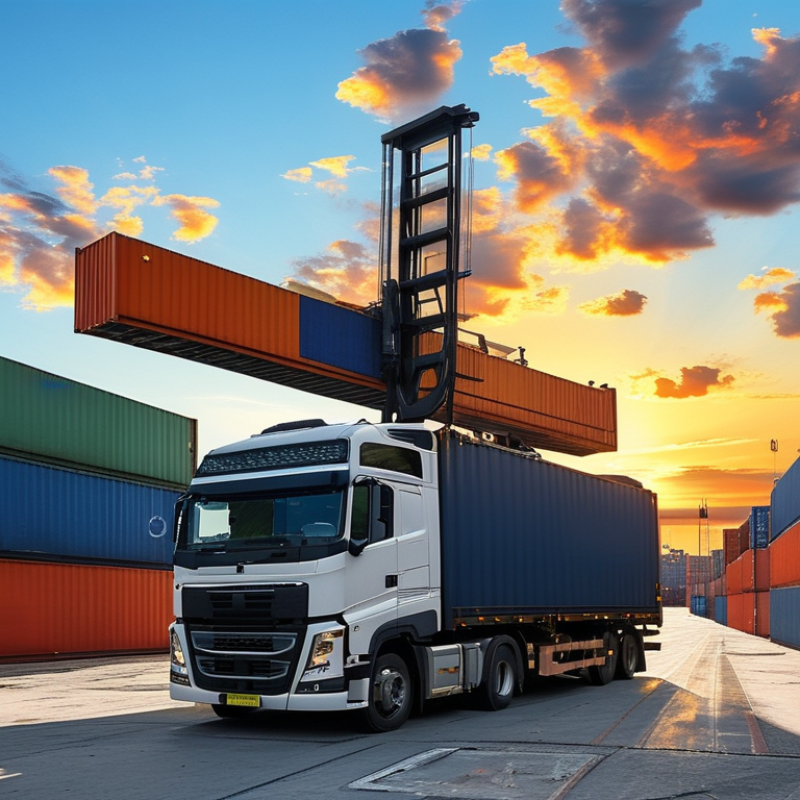
Why Choose DDP Door to Door Transport for Trading Companies?

Benefits of DDP Door to Door Transport for Trading Companies

DDP (Delivered Duty Paid) Door to Door Transport offers significant advantages for trading companies. One key benefit is the simplification of logistics. With DDP, the seller takes responsibility for all costs and risks until the goods reach the buyer's location. According to a report by the International Federation of Freight Forwarders Associations, efficient logistics management can reduce shipping costs by up to 30%. This is crucial for trading companies that rely heavily on cost control.

Furthermore, DDP streamlines customs clearance. Trading companies often face complex regulations and paperwork. A study by the World Bank highlights that inefficient customs processes can delay shipments by 20% or more. DDP simplifies this by ensuring that the seller handles all customs duties and taxes. This not only saves time but also helps avoid unexpected costs that can arise from customs disputes.

However, companies should be aware of potential hidden costs within DDP arrangements. Inadequate understanding of local regulations may lead to miscalculations. It's important for trading companies to carefully assess the terms and conditions of DDP agreements. This attention to detail can greatly enhance the efficiency and reliability of international transactions.

Understanding DDP Logistics and Its Role in International Trade

DDP, or Delivered Duty Paid, is a logistics term that simplifies international trade. This model places all responsibilities on the seller, from shipping to customs clearance. For trading companies, choosing DDP can streamline operations. It eases the burden of import duties and taxes for buyers. With DDP, shipments arrive hassle-free at the buyer’s door.

When utilizing DDP, traders must understand its complexities. Accurate documentation is crucial. Failing to provide complete paperwork can delay shipments. This aspect can lead to unexpected costs. Planning is essential when dealing with customs regulations in various countries. Each nation has different requirements. Misunderstanding these can impact delivery timelines.

Tips:

  • Always double-check your logistics provider's experience.
  • Clear communication is vital during shipping.
  • Understanding local tax implications can save you money.
  • It’s essential to stay informed about regulatory changes, as they can alter your operations unexpectedly.
  • Some traders overlook the importance of local partnerships, which can enhance reliability and speed in the process.

Cost-Effectiveness of DDP in Reducing Supply Chain Complexity

DDP (Delivered Duty Paid) transport offers a streamlined approach for trading companies. It minimizes supply chain complexities. A recent report indicated that over 70% of businesses face challenges in managing logistics and customs clearance. DDP simplifies these processes by making one party responsible for all shipping duties and taxes.

This model can significantly reduce shipping costs. According to industry data, companies that adopt DDP can cut logistics expenses by up to 15%. This is crucial, especially when balancing cost and speed. In addition, reduced supply chain steps can lead to faster delivery times, enhancing customer satisfaction. Less complexity means fewer communication breakdowns and misunderstandings.

However, embracing DDP is not without challenges. Some trading companies may underestimate the importance of accurate duty estimations. Errors in this area can lead to unexpected delays. Despite potential hiccups, DDP presents a compelling case for many firms. Its ability to consolidate responsibility streamlines operations and can foster growth in global markets.

Why Choose DDP Door to Door Transport for Trading Companies? - Cost-Effectiveness of DDP in Reducing Supply Chain Complexity

Criteria Traditional Shipping DDP Door to Door
Cost of Shipping $800 $750
Transit Time 20 days 10 days
Customs Clearance Complexity High Low
Tracking Availability Limited Comprehensive
Risk of Delays Moderate Low
Responsibility for Duties and Taxes Buyer Seller

Time Efficiency: How DDP Minimizes Transit Times for Businesses

DDP (Delivered Duty Paid) Door to Door transport offers significant advantages for trading companies. Time efficiency is one of its strongest benefits. By handling customs clearance and delivery logistics, DDP simplifies the shipping process. This allows businesses to focus on core activities rather than worrying about shipping delays.

Minimizing transit times is crucial in today’s fast-paced market. With DDP, goods move directly from the supplier to the buyer’s doorstep. This reduces potential bottlenecks at ports or borders. Each step of the shipping process is coordinated seamlessly. However, unexpected delays can still occur. Weather disturbances or logistical errors can create setbacks. Reflecting on these challenges can help companies prepare better for unforeseen issues.

DDP also enhances reliability in shipping. When businesses know they can trust their logistics, they can improve their overall operations. This consistency is important for maintaining customer satisfaction. Yet, it is essential to continually assess the effectiveness of the DDP model. Does it always meet the unique needs of your business? Evaluating performance can lead to more efficient strategies.

Delivery Time Comparison for DDP and Other Transport Methods

Risk Management in DDP Transport: Ensuring Safe Deliveries for Clients

In the ever-evolving world of international trade, managing risks is essential. DDP (Delivered Duty Paid) transport offers a clear solution for trading companies. It ensures that goods are delivered directly to the client’s doorstep. This method reduces uncertainty, as the seller assumes most responsibilities. However, it is not without challenges.

One area that needs careful attention is customs clearance. Delays in paperwork can lead to increased costs. These unforeseen issues create stress for both trading companies and their clients. Proper documentation and understanding of regulations are crucial. Having a reliable partner who navigates these hurdles is vital. Moreover, insurance coverage can mitigate the impact of potential losses during transit.

Understanding local regulations is another concern. Each country has its own rules. Non-compliance can result in fines or seized goods. Working with experienced logistics providers can offer insights into these complexities. Effective communication is key when dealing with clients. Transparency regarding delivery timelines and potential risks fosters trust. Balancing these elements can lead to safer, more efficient deliveries.

FAQS

: What is DDP transport?

: DDP stands for Delivered Duty Paid. The seller takes full responsibility until goods reach the buyer.

How can DDP reduce shipping costs?

DDP simplifies logistics and can cut shipping expenses by up to 30%. This is important for cost control.

What about customs clearance with DDP?

DDP streamlines customs processes, as the seller manages duties and taxes. This saves time and prevents unexpected costs.

Are there hidden costs in DDP?

Yes, a lack of understanding of regulations can lead to miscalculations and hidden charges. Careful assessment is necessary.

Can DDP improve delivery times?

Yes, fewer supply chain steps in DDP can lead to faster deliveries, enhancing customer satisfaction overall.

What risks does DDP transport pose?

Risks include delays due to customs paperwork. Proper documentation is essential to avoid stress and unexpected costs.

Is insurance needed with DDP?

Yes, having insurance coverage can help mitigate losses during transit, making deliveries safer for clients.

How important is communication in DDP?

Effective communication fosters trust. Transparency about risks and delivery timelines is crucial for maintaining strong client relationships.

Conclusion

The article "Why Choose DDP Door to Door Transport for Trading Companies?" explores the numerous advantages of utilizing DDP (Delivered Duty Paid) logistics in international trade. It highlights the key benefits for trading companies, such as simplifying supply chain management and enhancing cost-effectiveness. DDP transport reduces complexity by covering all shipping duties and taxes upfront, allowing businesses to predict and manage their expenses more effectively.

Additionally, time efficiency emerges as a crucial factor; DDP minimizes transit times, ensuring that goods reach their destinations promptly, which is vital for maintaining a competitive edge. The article also addresses risk management, emphasizing how DDP transport enhances the safety and reliability of deliveries, providing peace of mind for trading companies. Ultimately, the piece presents a compelling case for why trading companies should use DDP door-to-door transport to optimize their operations and improve overall customer satisfaction.

Isabella

Isabella

Isabella is a dedicated marketing professional with a sharp focus on driving brand growth and engagement through strategic content creation. With an extensive background in digital marketing, she combines her passion for storytelling with her keen understanding of industry trends to deliver......