A truck can be ready at dawn, yet one unclear document may hold it at a border desk. A commercial invoice with a mismatched value, a CMR consignment note missing a signature, or an incomplete customs declaration can trigger questions and delay a delivery. That is why businesses ask: what documents are required for cross-border commercial land transport? The answer depends on the route, the goods, and the countries involved. Common documents include a commercial invoice, packing list, transport document, customs declarations, and any route-specific permits or certificates.
The World Bank’s Connecting to Compete 2023 report assessed logistics performance across 139 economies, including customs efficiency and shipment reliability. These measures help explain why accurate paperwork matters: border processes are part of a wider logistics system, not an isolated formality. The WTO’s Global Trade Outlook and Statistics 2024 reported that world merchandise trade volume declined by 1.2% in 2023 and forecast 2.6% growth for 2024. More movement means more opportunities for small documentation errors to disrupt schedules. The figures do not show that documents alone cause delays. They do show why dependable procedures matter.
Details count. A driver’s folder should match the shipment, vehicle, route, and declared goods. Requirements can change, and a familiar checklist may still miss a local rule. This guide explains the main documents, their practical purpose, and what to verify before departure. It is a useful starting point, not a substitute for current guidance from the relevant customs and transport authorities.
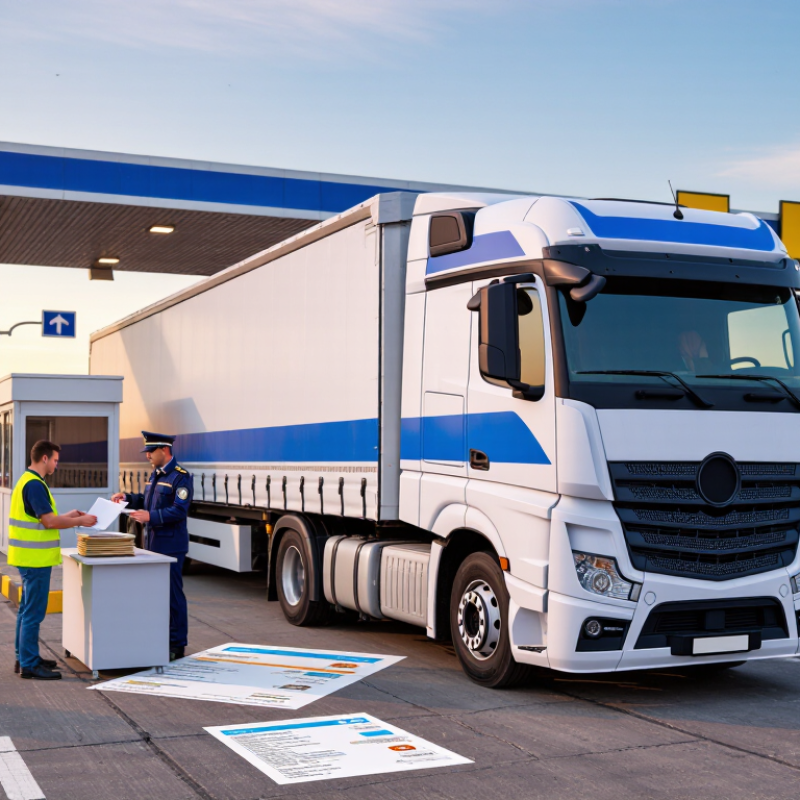
Documents That Identify the Goods and Parties
Cross-border road freight relies on records that tell officials who is shipping what, to whom, and in what quantity. A commercial invoice names the seller and buyer, while a packing list describes cartons, marks, weights, and contents. A road consignment note, such as a CMR note where used, records the consignor, carrier, consignee, and receipt details. Names matter. Matching company names and addresses across records helps distinguish the intended recipient from a similarly named business. If an invoice shows 48 cartons but the packing list shows 46, a driver may face questions before the load moves.
These documents also create a traceable description of the shipment. A clear entry such as “replacement pump housings, 6 cases” is more useful than “machine parts,” provided it matches the cargo. The OECD’s 2018 report, Trade Facilitation and the Global Economy, estimated that full implementation of the WTO Trade Facilitation Agreement could reduce trade costs by an average of 14.3%. That estimate covers broader facilitation measures, not document checks alone. Still, readable, consistent records can reduce avoidable clarification at a border.
A file can look complete and still be unclear. For instance, a consignee’s shortened name may not match the full name on another document.
Records That Establish Ownership and Transport Authority
For cross-border land transport, records help show who owns the goods and who may arrange their movement. A sales contract, commercial invoice, or ownership record can identify the seller, buyer, and cargo. The exact documents depend on the goods, route, and local requirements. Details should agree across the paperwork. A crate marked “12 units” can cause questions if the invoice lists 10. Small mismatches matter.
Transport authority is separate from ownership. A carrier may need a consignment note, delivery instructions, or written authorization from the cargo owner. These records clarify who may collect, carry, and release the shipment. Names, addresses, vehicle details, and shipment references should be checked before departure. A file may appear complete and still leave one question unanswered: who approved the handover? Requirements vary, so confirm them with relevant transport and customs professionals for the route.
Tips: Keep signed copies together, both on paper and in a secure digital file. Check dates, quantities, and party names before loading. If a detail changes, update the related records promptly; leaving an old copy in the folder is an easy mistake.
Why Are Documents Needed for Cross-Border Land Transport?
Records that establish ownership and transport authority
Under Article 5 of the CMR Convention, the consignment note is made in three original copies: one for the sender, one accompanying the goods, and one retained by the carrier. It serves as evidence of the contract of carriage and receipt of the goods; it does not, by itself, establish ownership. Separate ownership records and any required customs documents or transport authorizations depend on the shipment and the countries involved.
Documents Required for Customs and Border Compliance
At a land border, a single mismatch can stop a truck. If the invoice lists 24 cartons but the packing list shows 23, officers may request clarification before releasing the load. Customs documents help verify what is moving, its value, origin, and route. Small discrepancies matter.
A typical shipment file includes a commercial invoice, packing list, customs declaration, and road consignment note. Depending on the route and goods, authorities may also require proof of origin, transit documents, or permits. Requirements differ by country, so confirm them with the relevant customs authority or a qualified broker before departure. Names, weights, package counts, and reference numbers should match across documents. Paperwork is not always intuitive.
The World Customs Organization’s Time Release Study Guide provides a method for measuring how long goods take to clear customs, including the time spent on document processing. OECD analysis estimates that comprehensive trade facilitation reforms could reduce trade costs by up to 14.3% in low-income economies. That figure covers broader reforms, not paperwork alone. Still, accurate documents can prevent avoidable questions at the inspection bay, where a parked vehicle loses time. A tidy file helps, but it cannot replace checking the rules for each crossing.
Permits and Certificates for Regulated Cargo
Why Are Documents Needed for Cross Border Land Transport?
Permits and Certificates for Regulated Cargo
Regulated cargo may need permits or certificates before a truck crosses a border. The exact documents depend on the cargo, route, and destination. A food shipment, for example, may require a health certificate, while certain industrial materials need transport approvals. Confirm requirements with the relevant authorities and your customs broker well before departure. Rules can differ between neighboring countries, and a document accepted at one border may not be enough at another. Small details matter.
Check that permit dates, vehicle details, cargo descriptions, and quantities match across every document. A mismatch can lead to inspection delays, extra storage costs, or a rejected filing. Keep originals and accessible digital copies where accepted. Drivers should know which papers to present and where they are stored. Even experienced teams can overlook an expiry date during a busy loading day. A checklist helps, but it is only as reliable as its latest update.
Tips: Verify requirements for every country on the route. Check expiry dates. Match quantities to invoices and packing lists. Ask authorities about language or certification rules. Keep a contact person available if an officer requests clarification. When requirements remain unclear, pause and confirm them rather than guessing.
How Complete Paperwork Enables Border Clearance and Accountability
Cross-border truck paperwork is more than a border formality. A customs declaration, commercial invoice, packing list, and transport document should describe the same shipment. Matching product descriptions, quantities, weights, and consignee details help officers assess a load without chasing corrections. Small fields matter. A pallet count that differs by one can trigger questions, inspections, or a wait while records are checked. Requirements vary by route and cargo, so teams should verify current instructions before dispatch.
Complete records also make decisions traceable. The driver can present consistent documents; the shipper and carrier can show who supplied each detail and when it changed. If a delivery is delayed, dated copies and amendment notes help locate the source of the mismatch. They are not a cure-all. Paperwork can be complete and still contain an error.
The OECD’s 2018 report, Trade Facilitation and the Global Economy, estimated that full implementation of the WTO Trade Facilitation Agreement could reduce trade costs by 14.3% on average.
That estimate is not a promise for any single shipment, but it underscores how smoother procedures matter. Clear records support those procedures and give businesses a practical basis for reviewing delays, handovers, and delivery claims.
Conclusion
Cross-border land transport depends on accurate documents to show what is being shipped, who is sending and receiving it, and which carrier is responsible for the journey. Commercial invoices, packing lists, and transport records help identify the goods and the parties involved. Ownership records and written transport authority provide evidence that the shipment may be moved and delivered as instructed.
Understanding what documents are required for cross-border commercial land transport also means preparing paperwork for customs and border checks, along with any permits or certificates required for regulated cargo. Requirements can vary according to the goods, route, and destination, so documents should be complete and consistent. Well-organized paperwork supports efficient border clearance, helps officials verify shipment details, and creates a clear record of responsibility throughout the transport process.

 LoJo Logistics