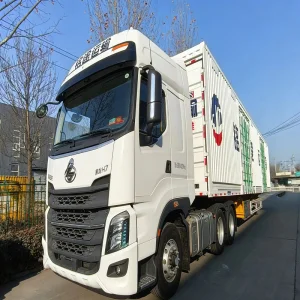
Global supply chains are navigating an era of unprecedented volatility. Geopolitical tensions, maritime choke points, and decarbonization mandates are pushing enterprises away from absolute reliance on traditional ocean and air freight. In this structural paradigm shift, CE Certified Rail Freight Solutions have emerged as the cornerstone of resilient, cost-effective, and low-carbon logistics between manufacturing hubs in China and destination markets in Europe, the UK, and Central Asia.
By conforming to strict CE Mark directives, including the Interoperability Directives (TSI Standards) and structural safety standards, factories and suppliers are guaranteeing that rolling stock components, containers, and intermodal freight equipment satisfy EU-wide safety, health, and environmental compliance frameworks. This technical standardization minimizes customs bottlenecks, standardizes trans-loading processes at border gateways (e.g., Alashankou, Dostyk, Brest), and ensures rapid end-to-end integration into the European rail network.
Global logistics planning is no longer just about the lowest cost-per-ton; it is about balancing speed, predictability, and environmental impact. Rail freight fills the massive vacuum between maritime transport and air shipment:
China to EU Transit Time
CO₂ vs. Air Freight
CE Conformity for Rail Cargo
Annual Cargo Capacity
Global procurement teams face challenges beyond moving physical cargo. Modern logistics involves compliance, cross-border customs regulations, multi-modal routing, and supply chain transparency. These requirements demand a partner that handles both physical transport and complex international shipping networks.
Shenzhen LoJo Logistics Co., Ltd. is a professional international freight forwarder. We simplify cross-border shipping for global importers and exporters. Located in Shenzhen, one of China's primary export hubs, we help resolve challenges like lost cargo, delayed deliveries, and rising logistics costs. We design custom solutions tailored to your business budget and operational needs.
From initial supplier sourcing to final DDP delivery, LoJo Logistics coordinates all steps of the cross-border transport lifecycle:
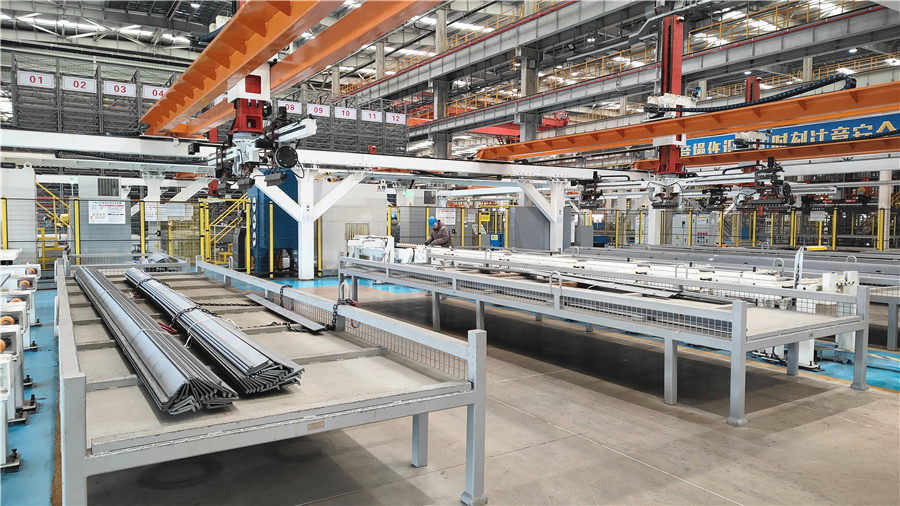
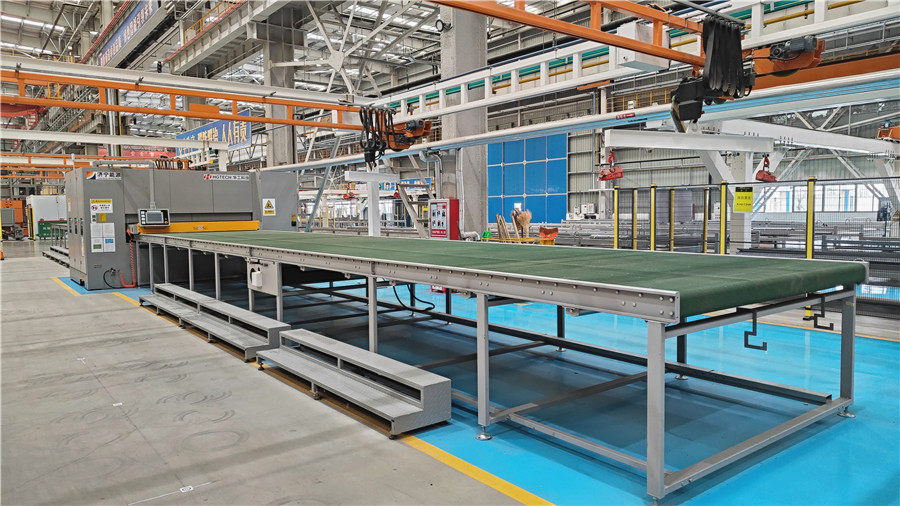
Integrating modern smart manufacturing with heavy industrial logistics is key to building responsive, reliable global supply chains.
Chinese factories are adopting Industry 4.0 standards, utilizing automated welding, precision laser cutting, and digital assembly lines. This ensures consistency and reliability for custom-manufactured rail and logistics components.
Quality control systems track every stage of fabrication. From pipe sawing to final coating, our processes meet international compliance and structural engineering requirements.
We source certified structural steels and corrosion-resistant alloys, ensuring all shipping containers, flatbeds, and cargo cages stand up to the environmental stresses of intercontinental transit.
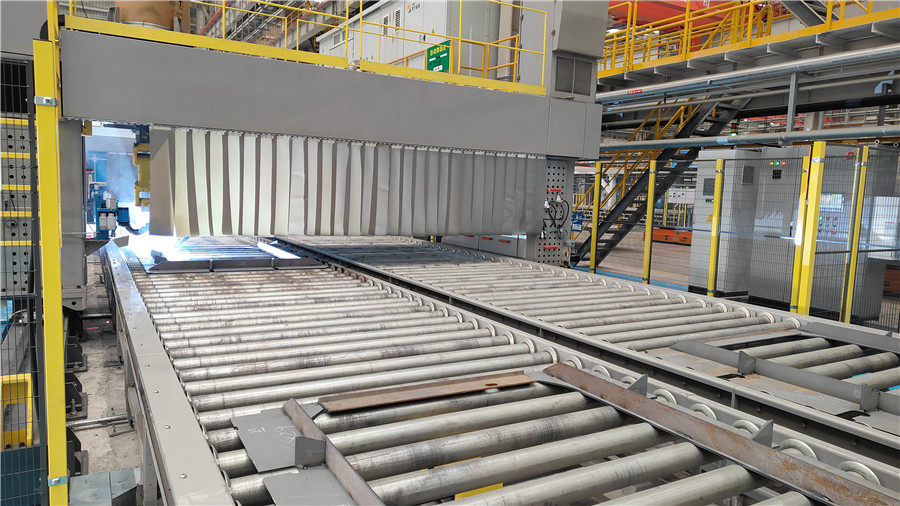
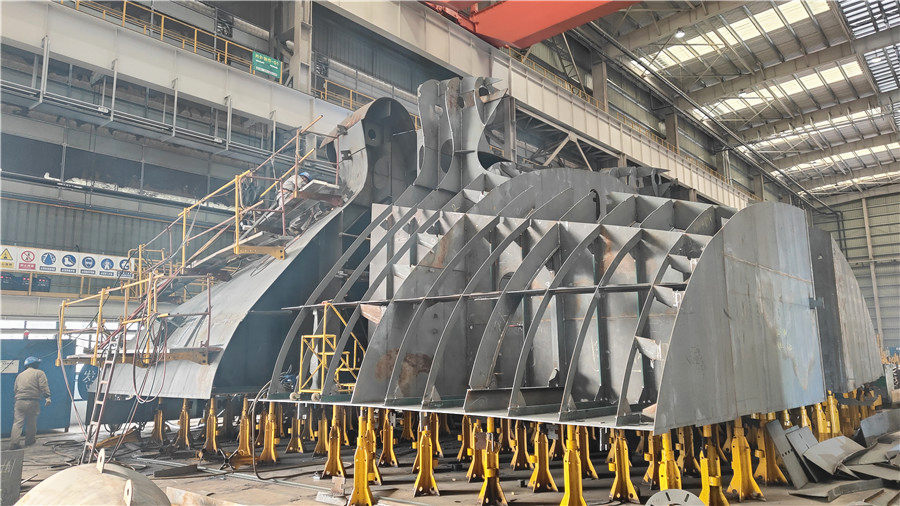
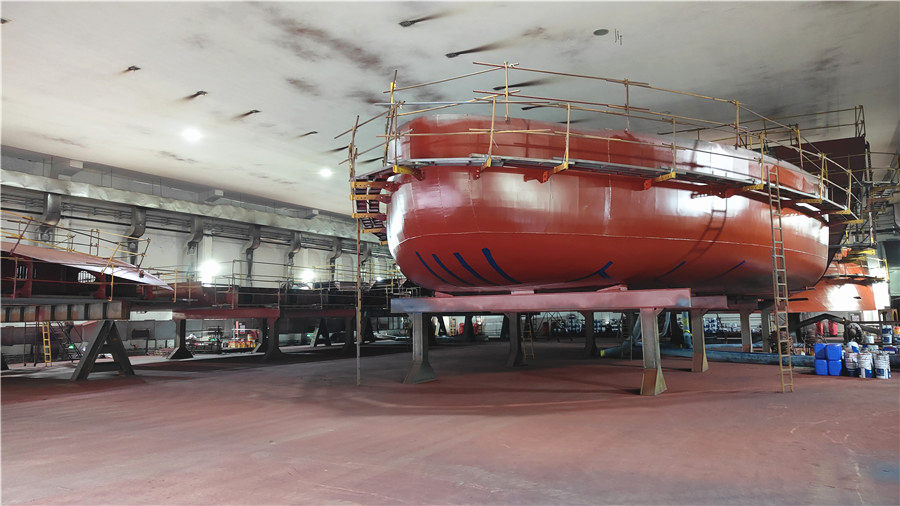
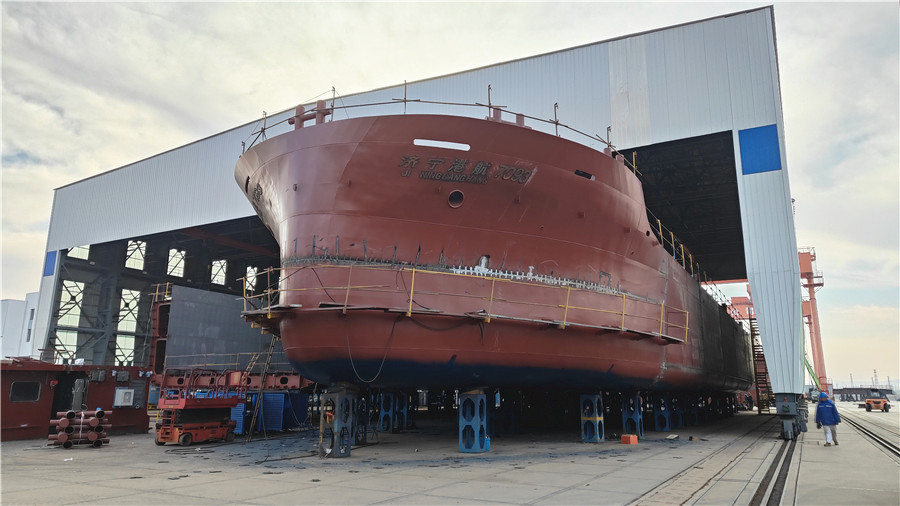
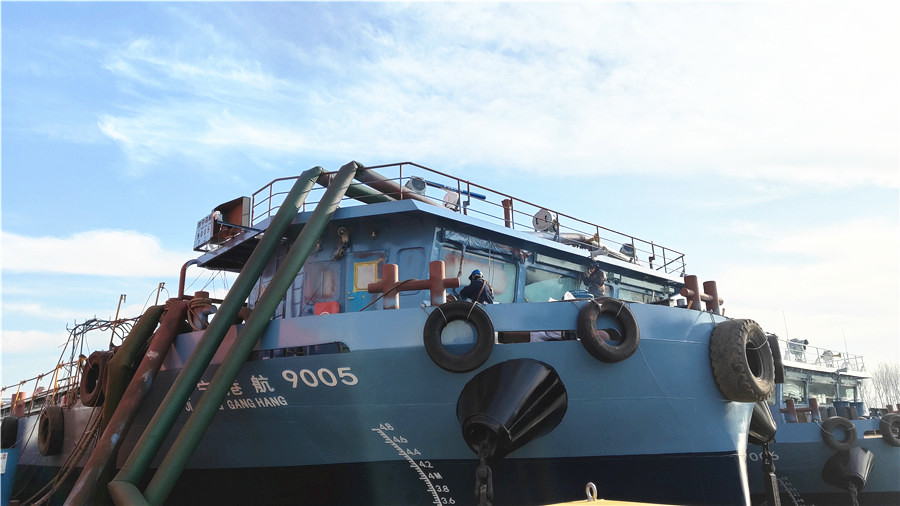
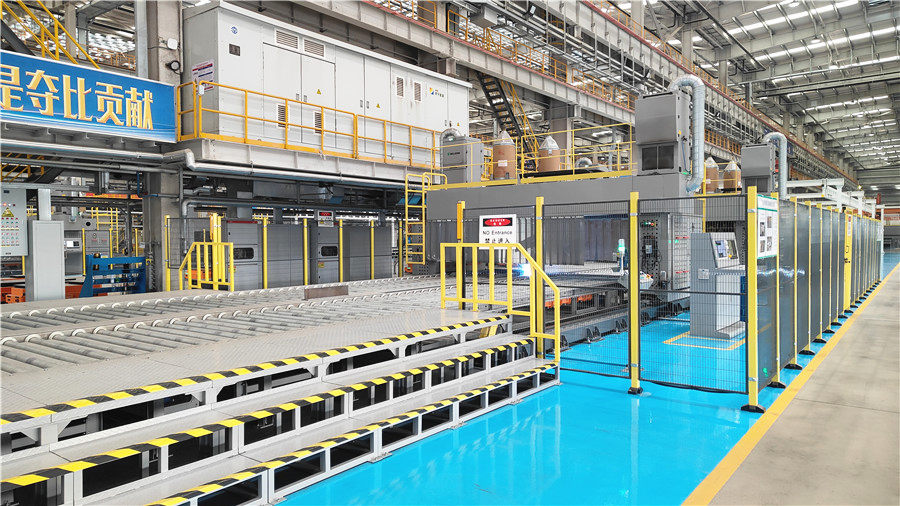
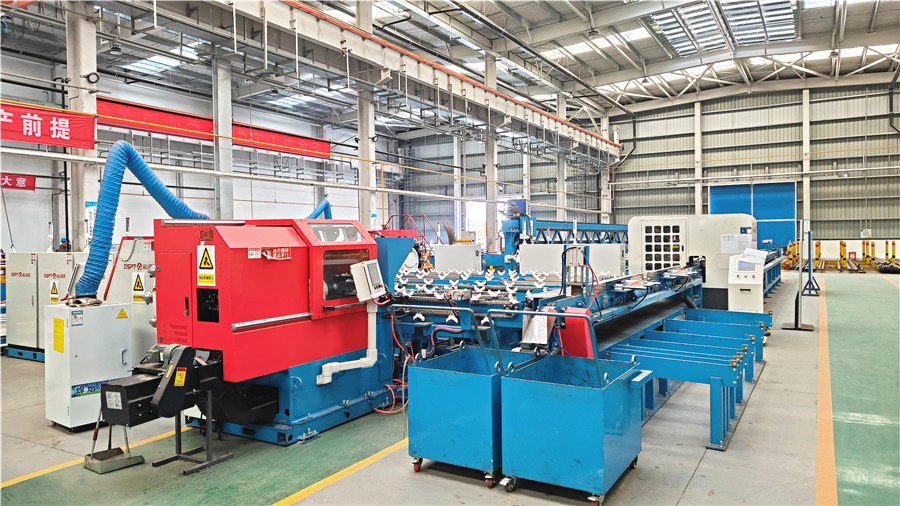
From automotive logistics to cold-chain pharma, here is how modern enterprises leverage multimodal rail infrastructure to solve specific shipping challenges.
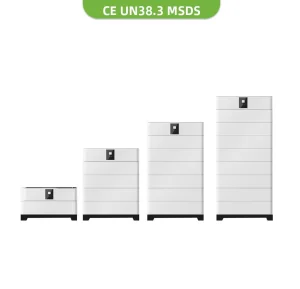
The Challenge: Shipping high-voltage LiFePO4 solar energy storage battery packs safely and in compliance with international transport standards. Air freight is costly and highly restricted, while ocean shipping presents moisture risks and longer transit times.
The Solution: Climate-controlled, CE-certified block trains with shock-absorbing container configurations, satisfying UN38.3 test parameters and customs safety checks.
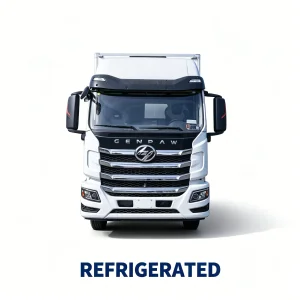
The Challenge: Coordinating cross-border transport of temperature-sensitive medical supplies, vaccines, and frozen food cargoes across variable climates.
The Solution: GPS-equipped, insulated reefer containers and active thermal packaging boxes with real-time temperature telemetry over GSM-rail networks.
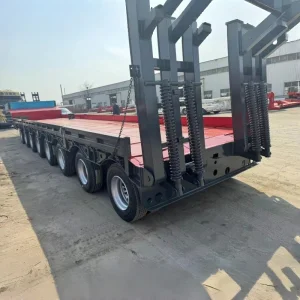
The Challenge: Delivering out-of-gauge construction machinery and modular industrial equipment, such as extendable lowbed trailers, to inland sites.
The Solution: Multi-axle flatbeds and dedicated block trains using specialized load securement techniques, combined with end-to-end DDP customs handling.
For international buyers, sourcing transport equipment or shipping goods via rail demands compliance with the European Conformity (CE) standard. Under the harmonized rules of the European Union, CE marking on transport frames, cargo containers, securing structures, and lifting machinery confirms compliance with the following standards:
By prioritizing certified manufacturers and experienced forwarding agents like LoJo Logistics, global procurement directors can reduce operational risks. Working with verified partners helps minimize:
Answers to common operational, regulatory, and mechanical questions in international rail logistics.
Typically, transit times range from 15 to 19 days, depending on the departure terminal in China (such as Xi'an, Chengdu, or Wuhan) and the final destination hub in Europe (like Duisburg or Warsaw). This route is significantly faster than ocean shipping, which can take 35 to 45 days.
CE certification indicates that shipping containers, structural lifting systems, and swap bodies meet EU safety, health, and environmental directives. This helps ensure compliance with EU railway safety guidelines, helping to avoid delays during customs clearance.
We use active reefer containers equipped with diesel-generator sets and electronic control systems. These systems maintain temperature parameters throughout transcontinental trips, even in sub-zero winter temperatures.
Standard track gauge in China and Europe is 1435mm, while CIS countries use a broad gauge of 1520mm. At border stations like Alashankou/Dostyk, containers are moved from one flatbed train to another using heavy-duty gantry cranes.
Yes. Lithium batteries and other dangerous cargoes can be transported by rail, provided they comply with RID regulations (International Carriage of Dangerous Goods by Rail), use certified containers, and carry appropriate UN packaging approvals.

Optimize your logistics strategy. Contact Shenzhen LoJo Logistics Co., Ltd. for custom routing, cost analysis, and compliant intermodal transport solutions.
Request an Intermodal Quote LoJo Logistics