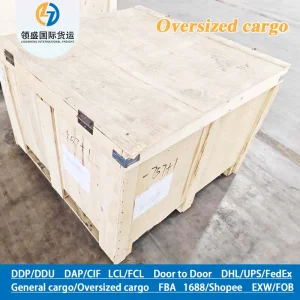
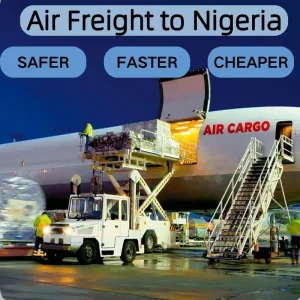
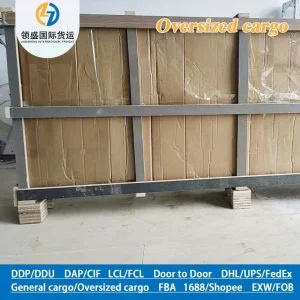
Explore our highly integrated logistics networks and specialized industrial systems supporting DDU structures globally.
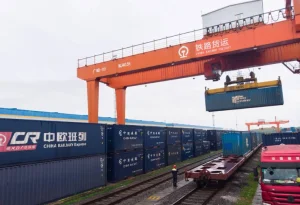
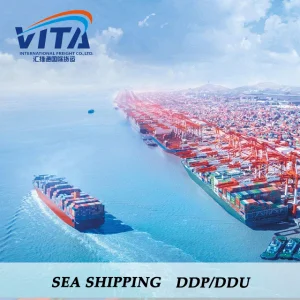
In the complex theater of international commerce, global importers seek structural agility, tariff optimization, and clear demarcations of risk. Delivered Duty Unpaid (DDU)—officially integrated under the DAP (Delivered at Place) Incoterms 2020 framework—stands as a powerful methodology. Under DDU agreements, the manufacturer handles all export clearances, international transport, and shipping costs to a designated destination. However, the buyer remains responsible for import clearance, duties, and local taxes.
For high-volume procurement and industrial sourcing, this structure provides a unique advantage: it allows importers to utilize localized customs brokers, capitalize on regional trade preferences, and avoid the inflated service margins that occur when suppliers bundle import taxes into their delivery fees.
While Delivered Duty Paid (DDP) offers an apparently simple procurement flow, it often masks high overhead costs. DDU structures provide key operational advantages:
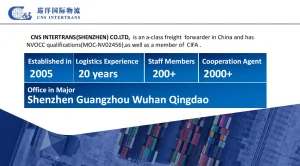
Shenzhen LoJo Logistics Co., Ltd. is a professional international freight forwarding company dedicated to providing efficient, secure, and cost-effective logistics solutions for global importers and exporters. With years of experience in the logistics and supply chain industry, we help businesses simplify international shipping and improve transportation efficiency.
At LoJo Logistics, we believe that logistics is more than simply moving cargo — it is about delivering reliability, transparency, and peace of mind. Our team is committed to offering full-process logistics support, ensuring that every shipment is handled professionally from pickup to final delivery.
Based in Shenzhen, one of China's largest export hubs, we maintain strong relationships with shipping lines, airlines, customs authorities, trucking companies, and warehouses, enabling us to provide flexible and reliable logistics solutions.
Understanding the structural advantages that keep Chinese manufacturing and DDU logistics at the forefront of global trade.
Chinese industrial clusters assemble raw materials, component sub-assembly, and final packaging within tight geographical zones, drastically minimizing transit times and production delays.
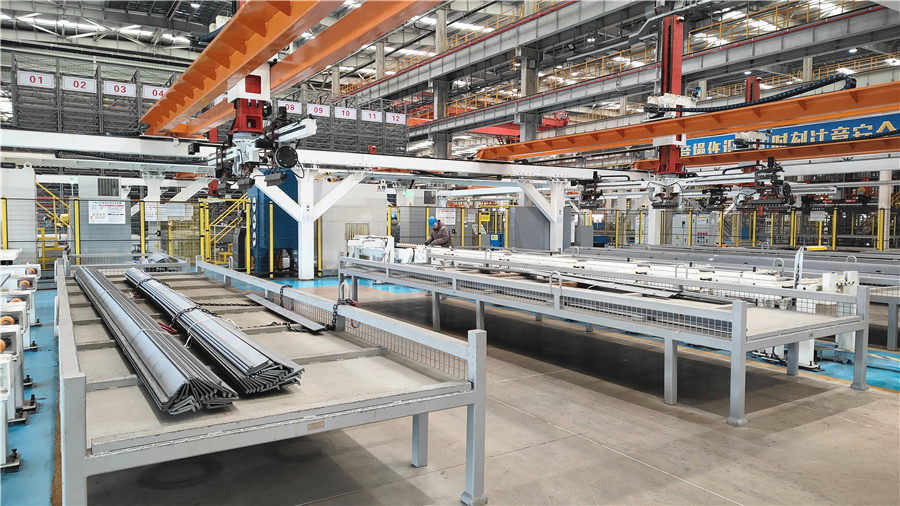
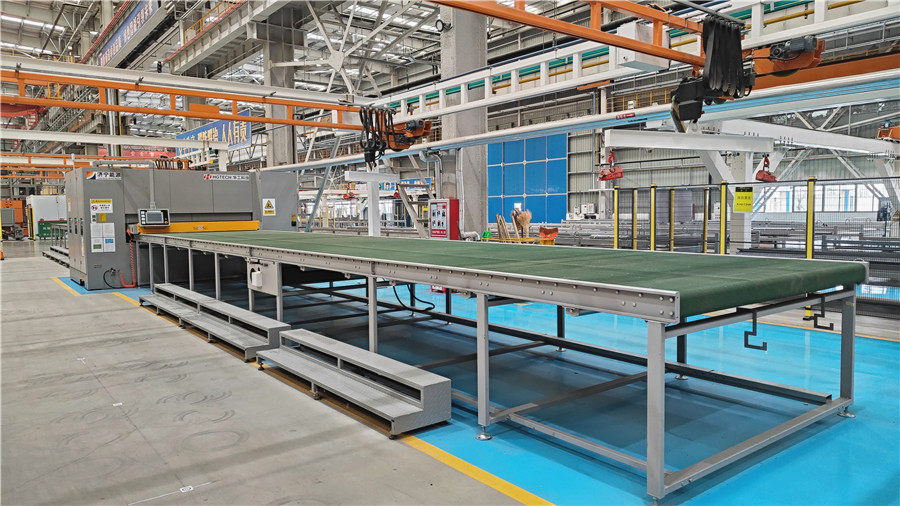
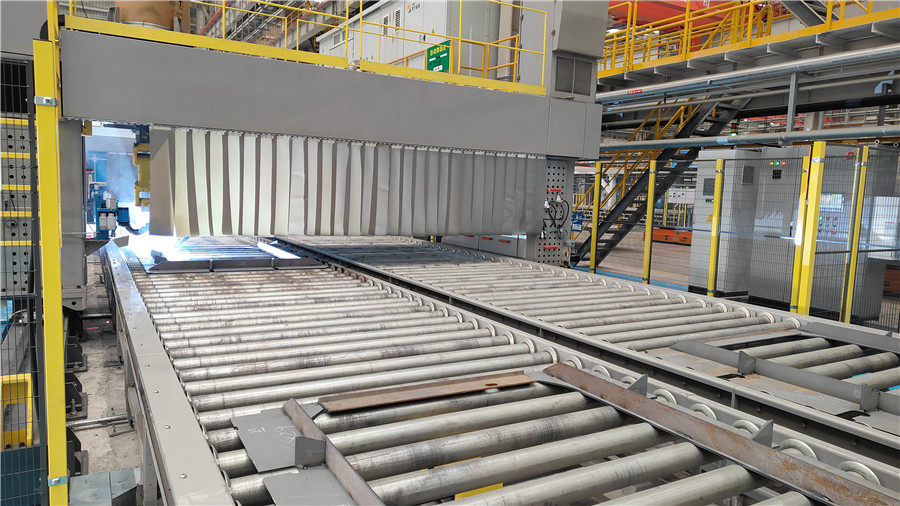
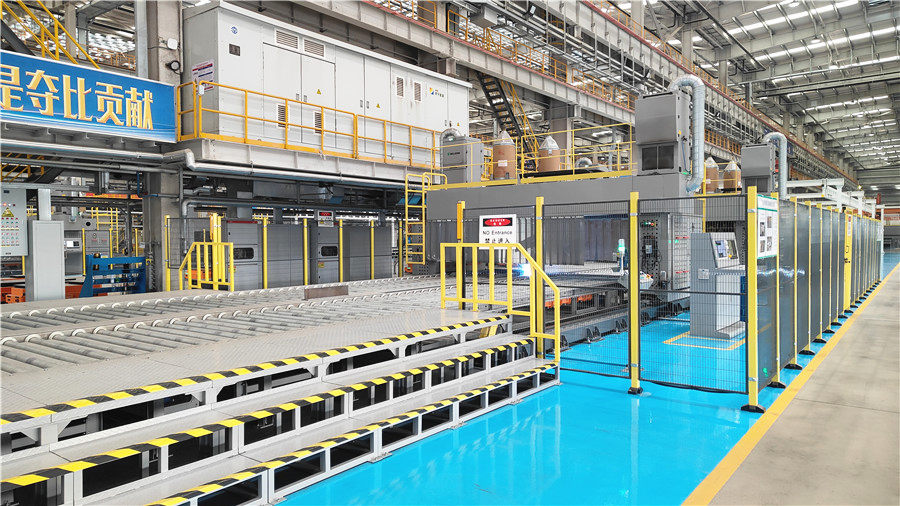
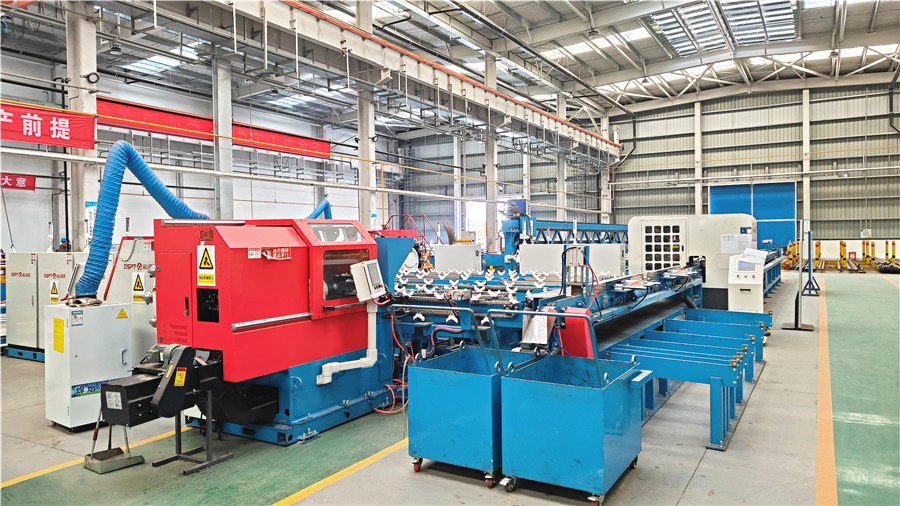
By using robotics, computer numerical control (CNC) machining, and automated welding lines, factories reduce unit costs while maintaining precise component specifications.
Direct highway connections link deep industrial zones to the world's largest container ports (Shenzhen, Ningbo, Shanghai), ensuring swift transitions from the production floor to sea vessels.
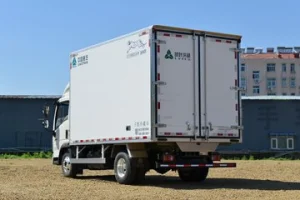
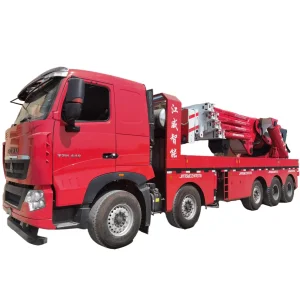
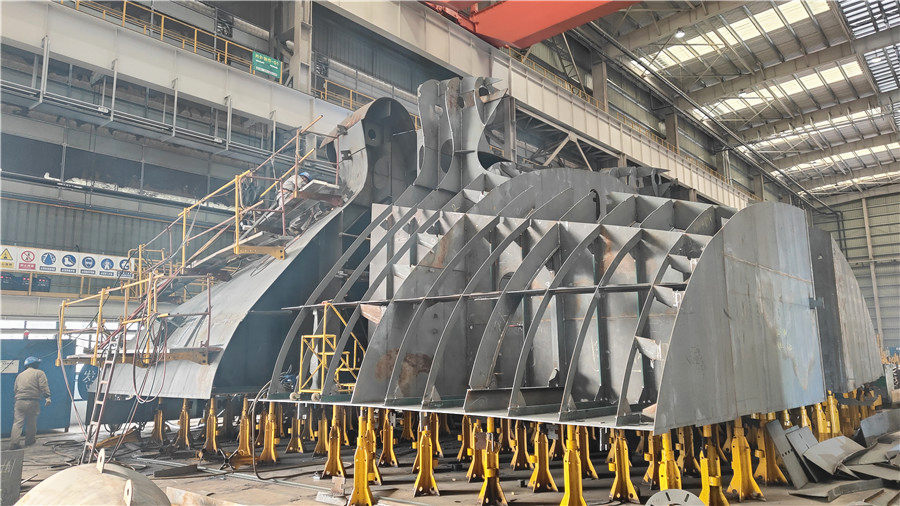
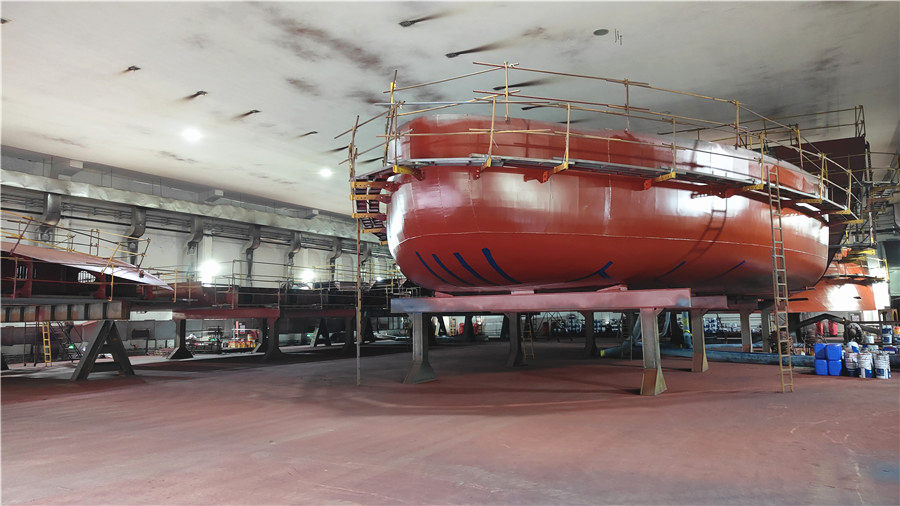
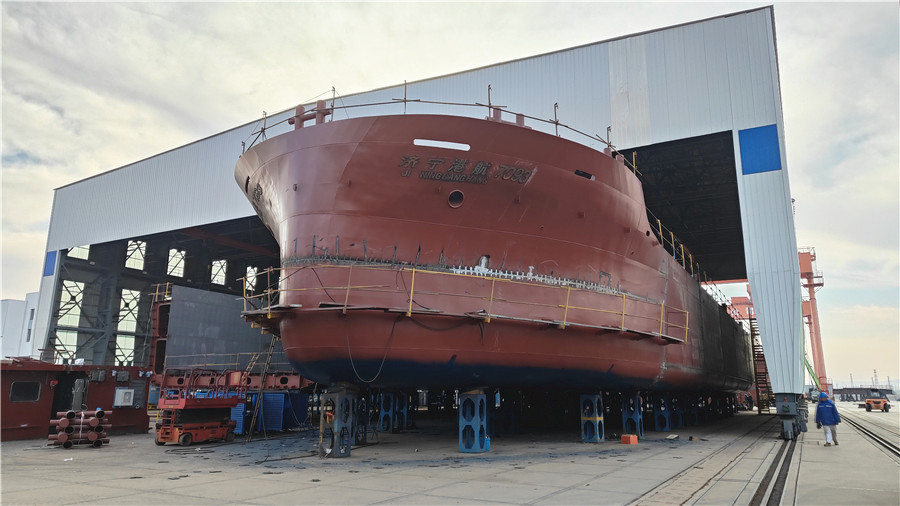
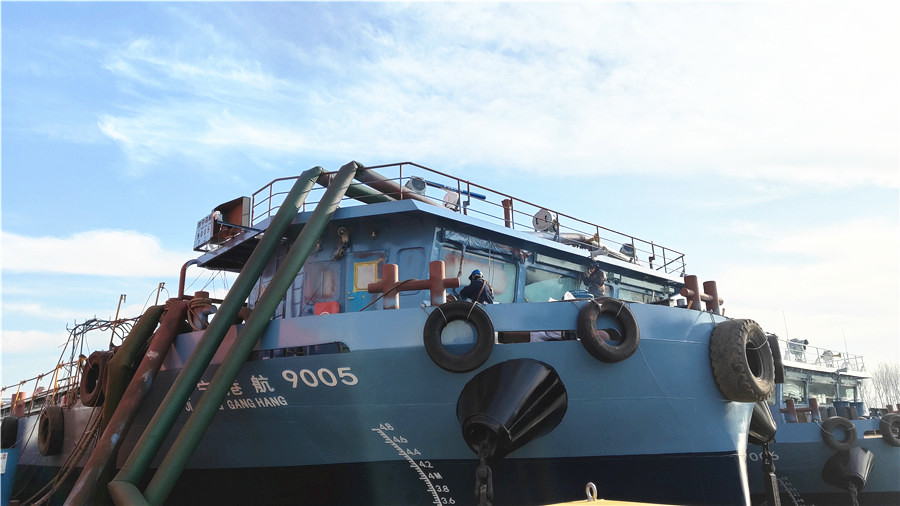
High-quality transport relies on heavy-duty equipment. We combine advanced machinery with rigorous manufacturing processes to guarantee component integrity.
Navigating DDU shipments requires clear compliance protocols at the destination port. Each market presents distinct customs regulatory frameworks:
Requires the buyer to hold a Single Entry Bond or Continuous Import Bond. Delays often stem from mismatched Harmonized System (HS) codes or missing EPA, FDA, or DOT declarations.
Importers must possess a valid EORI (Economic Operators Registration and Identification) number. Import VAT must be declared, though delayed VAT payment options can help buyers manage cash flow.
Bilateral trade pacts like ACFTA can slash tariffs to zero, but only if the shipper provides an exact Certificate of Origin (Form E).
To prevent demurrage and detention charges, LoJo Logistics implements a proactive compliance workflow:
How digital integration, IoT, and AI-driven route planning are transforming cross-border distribution.
Next-generation smart sensors continuously monitor container temperature, humidity, and location, giving importers full visibility over high-value goods.
Machine learning models analyze port congestion, weather patterns, and fuel pricing in real-time, helping us bypass high-traffic zones and shorten transit windows.
Decentralized ledgers guarantee the validity of Bills of Lading and Certificates of Origin, preventing document tampering and accelerating customs approval.
When importing heavy machinery, cold-chain components, or hazardous chemicals, hidden costs can quickly erode margins. Successful procurement depends on clean legal transitions and smart shipping choices.
Shenzhen LoJo Logistics removes these hurdles by offering clear breakdown invoicing, verified weight certificates (VGM), and pre-cleared customs filings to keep your supply chain moving efficiently.
Unplanned shipping delays at global container terminals can lead to high storage fees. For DDU shipments, where the importer handles local customs, coordination must be seamless.
Our global freight forwarding framework coordinates closely with local brokers to ensure imports are cleared before vessels dock. This proactive strategy mitigates demurrage risks and maintains smooth, predictable deliveries.
Get answers to common regulatory, tax, and transport questions from our compliance team.
Explore our industrial transportation solutions and heavy machinery supporting global supply chains.
 LoJo Logistics