Navigate the future of zero-carbon supply chains with our premium transit capabilities
How corporate buyers, global brands, and manufacturing networks are redesigning their logistics blueprints to align with net-zero obligations, dynamic carbon taxation regimes, and IMO targets.
Over 70% of an enterprise’s total emissions sit within Scope 3 indirect structures—predominantly ocean, road, and air logistics. Transitioning to energy-efficient shipping from China is no longer merely a brand differentiator, but a critical regulatory compliance safeguard against global carbon adjustments.
With the International Maritime Organization (IMO) enforcing strict EEXI (Energy Efficiency Existing Ship Index) and CII (Carbon Intensity Indicator) regulations, alongside the European Union's ETS (Emission Trading System) extension to maritime corridors, logistics cost structures are dynamically shifting towards efficiency-first models.
By leveraging advanced hardware construction, aerodynamic structural cargo consolidation, and predictive AI route optimization, leading enterprises bypass volatile fuel charges (BAF) and secure lower structural transit emissions at source.
Are you struggling with rising carbon taxation, supply chain opacity, custom clearance delays, or skyrocketing freight costs while executing international trade operations from China? The structural antidote is choosing a reliable, sustainability-certified logistics engineering partner.
Based in the core logistics hub of Shenzhen, we leverage advanced shipping pathways, localized resources, and multi-modal carbon mitigation strategies. Our operations stretch far beyond simple transport: we deliver physical asset security, compliance management, carbon calculation matrices, and full-spectrum transparency to optimize every phase of your cargo's journey.
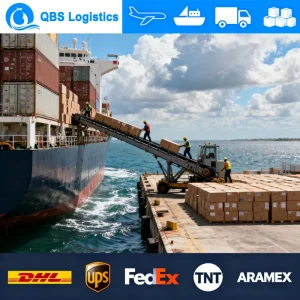
Full Container Load (FCL) and Less Than Container Load (LCL) consolidated services mapped to the most efficient vessel pathways to lower fuel usage per cubic meter of cargo.
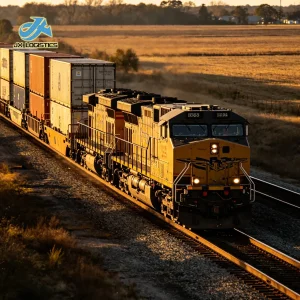
Leveraging China-Europe block train networks to provide a reliable, low-carbon middle ground that offers up to 90% carbon emission savings compared to traditional air transport.
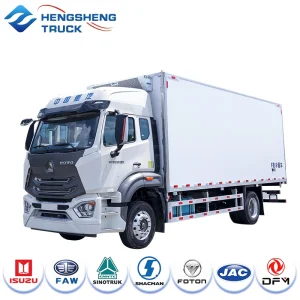
Utilizing high-end insulated, temperature-controlled maritime containers and freezer vans to eliminate supply loss and reduce thermal power leakages.
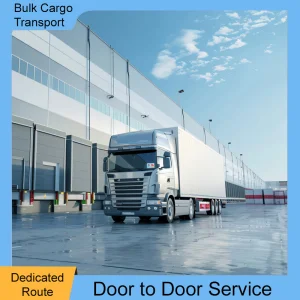
Comprehensive customs brokerage, final-mile electric vehicle fleet utilization, and tax clearing solutions built specifically for European, American, and Asian target markets.
Specialized heavy transport planning, oversized structural packaging, and specialized vessel booking for large physical manufacturing plants, wind turbines, and industrial machinery.
Smart consolidation at central regional logistics hubs near key Chinese ports, reducing wasted dead space and maximizing physical packing density.
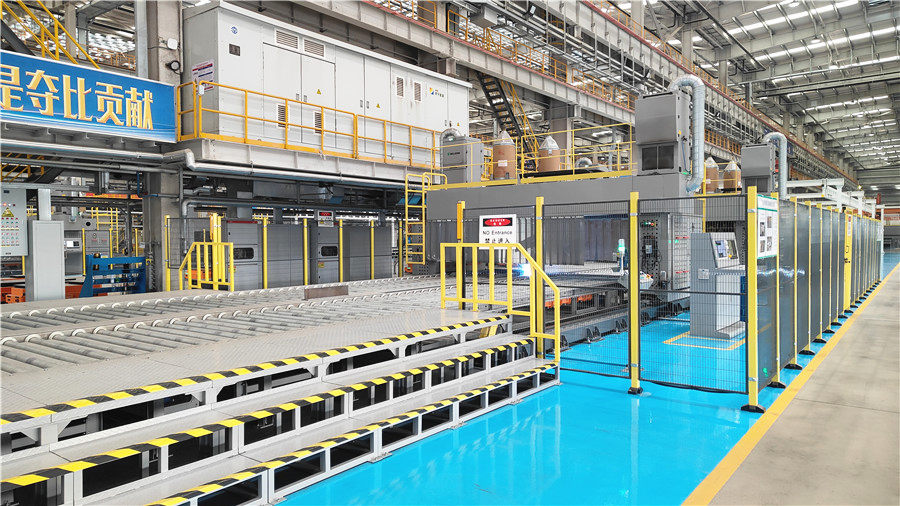
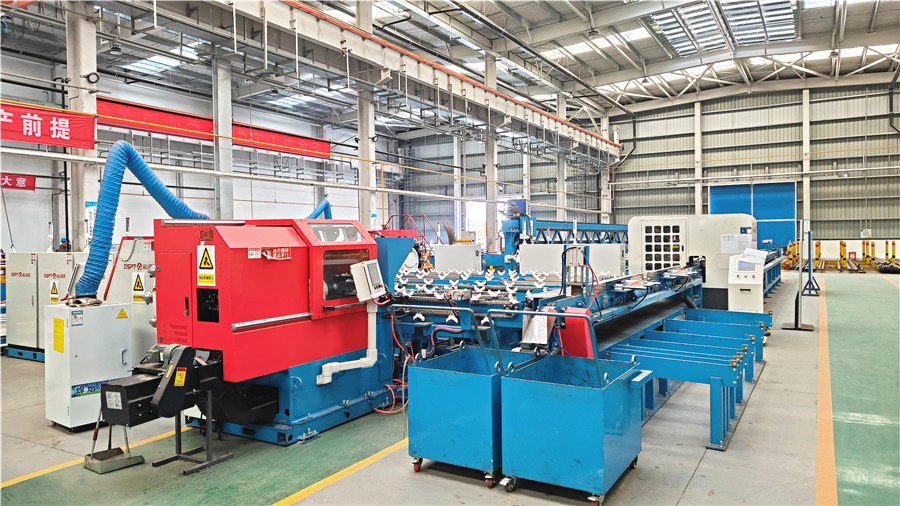
Ensuring sustainability in shipping begins at the factory level. Our advanced equipment fabrication yards produce custom steel containers, flat racks, and specialized mechanical shipping frames using zero-waste, high-efficiency industrial processes.
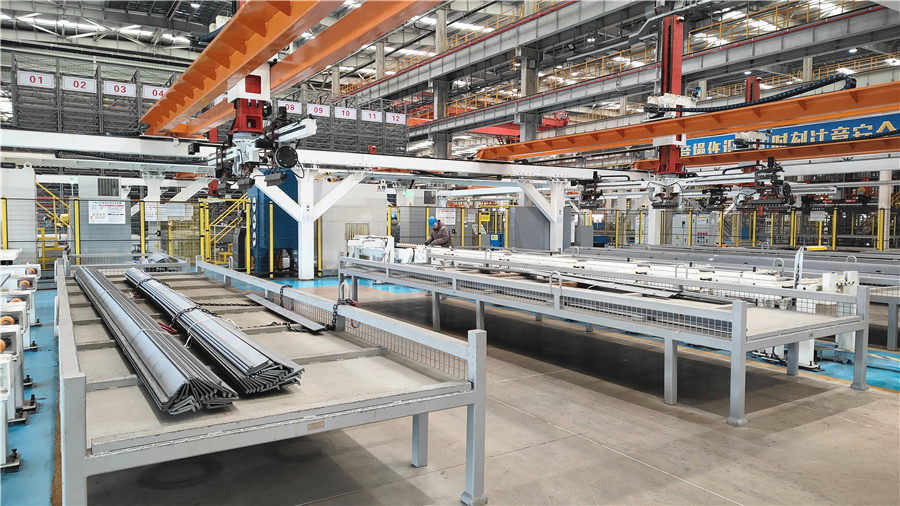
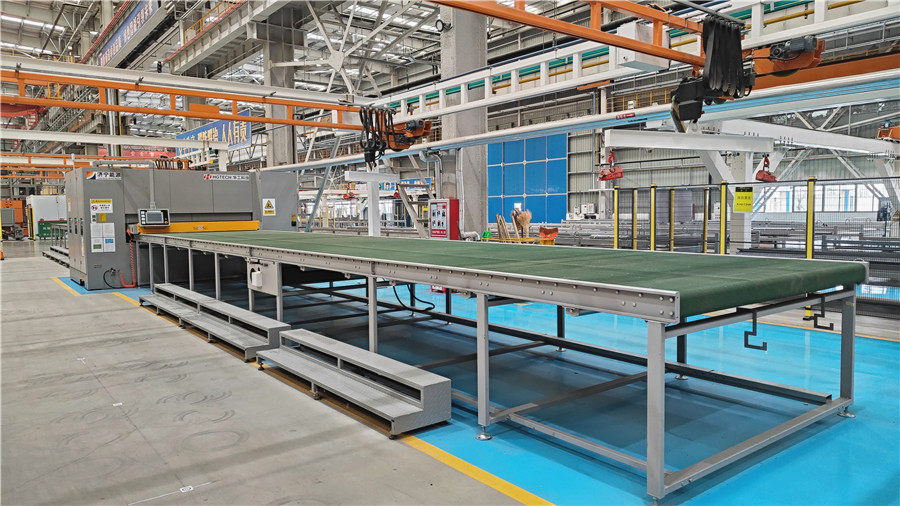
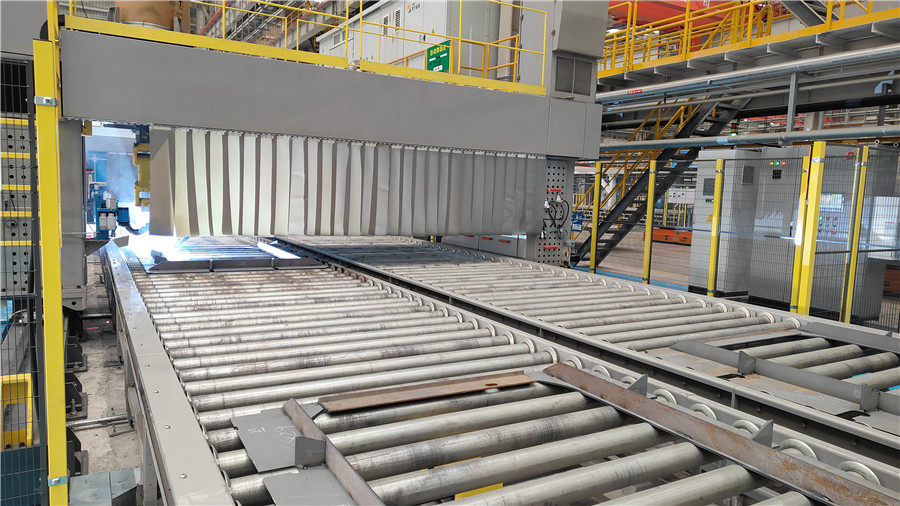
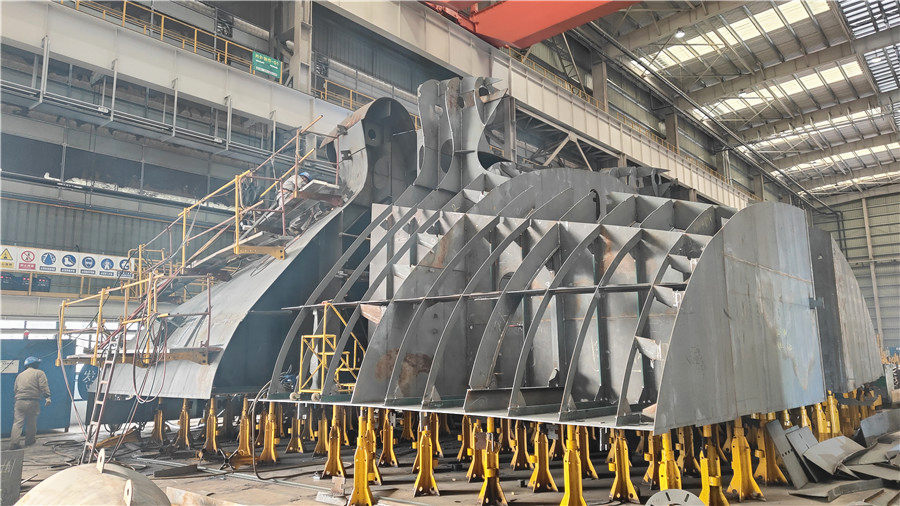
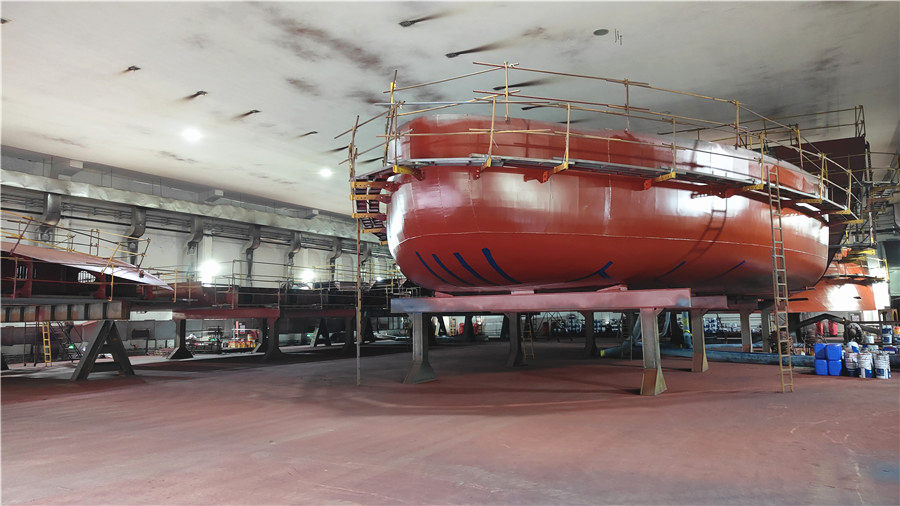
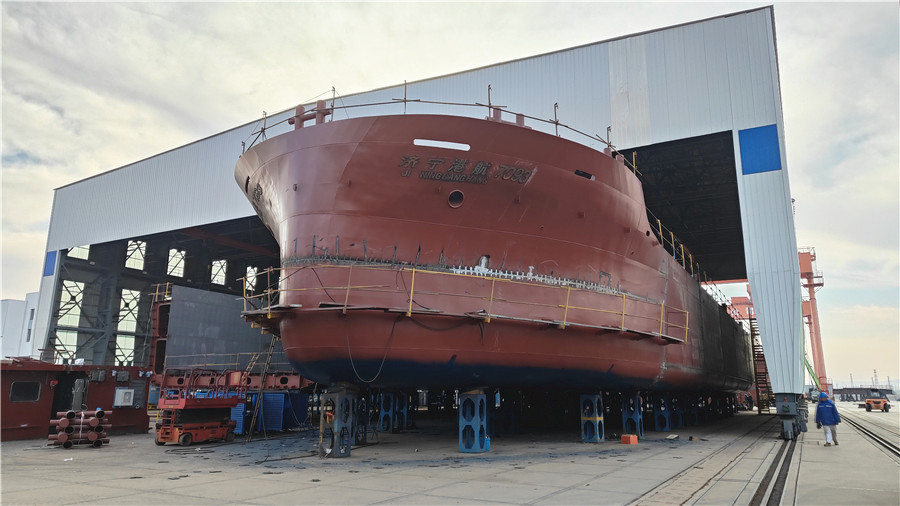
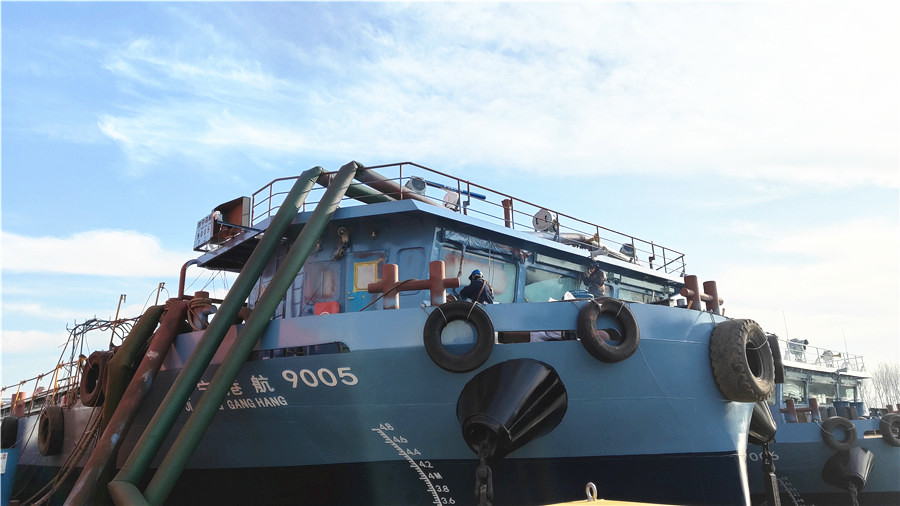
How we align trans-oceanic and cross-border transport pathways with local environmental compliance demands across major international sovereign blocks.
Navigating the EU ETS (Emissions Trading System) limits and CBAM (Carbon Border Adjustment Mechanism) implementation. Our DDP pathways into Germany, Switzerland, and Norway utilize pre-calculated carbon metrics, ensuring smooth entry without unexpected clean-energy tax adjustments.
Providing robust, customs-cleared solutions for rapid industrialization markets such as Indonesia and North African hubs like Algeria. Our strategic localized offices manage local port policies, reducing demurrage and associated unnecessary transport idling times.
Structuring highly affordable, optimized container transit models from major shipping ports like Shanghai directly to South America’s central logistics gates, such as Santos, Brazil, combining cost reductions with advanced route security protocols.
A logical visualization of our ongoing integration of sustainability and technological advancements, outlining key focus areas for complete supply chain optimization.
Utilizing smart algorithms to simulate transit weather patterns and current port congestion metrics. This reduces fuel waste from idling and ensures container ships run at maximum fuel-to-weight efficiency.
Establishing direct rail-to-road transitions that bypass carbon-heavy regional air feeder routes. Utilizing clean fuel heavy trucks (such as LNG and EV units) for first and last-mile urban logistics.
Integrating advanced temperature and load sensors inside cold chain reefers and high-value cargo containers. Continuous real-time status data minimizes cargo damage and eliminates unnecessary wastage.
Expert answers to the most common queries surrounding sustainable logistics, customs clearance, and carbon management.
High-efficiency container configurations and custom transit vehicles designed to optimize global supply networks
 LoJo Logistics