Premium specialized transport trailers, temperature-controlled fleet hardware, and regional shipping operations customized for international procurement networks.
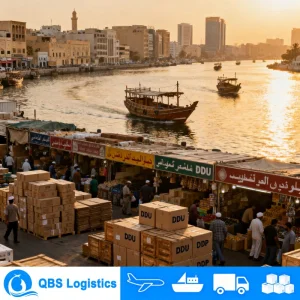
A strategic review of how modern enterprises integrate heavy equipment manufacturing and global freight systems to build high-performance supply chains.
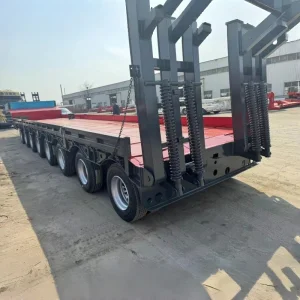
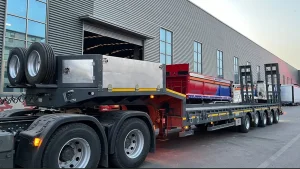
In modern industrial commerce, the separation between logistics operations and manufacturing processes has dissolved. Enterprises do not merely seek a freight forwarding agent; they require integrated engineering partners capable of designing, manufacturing, and operating the equipment that carries their primary assets. For example, moving oversized cargo like wind turbines, large-scale industrial boilers, or massive generators requires specialized hardware like the 8 Axle Extendable Lowbed Trailer. This synergy between engineering fabrication and freight transport logistics forms the core of Shenzhen LoJo Logistics Co., Ltd.’s operations.
By blending production line capacities (e.g., automatic welding, laser cutting, precision polishing) with transport capabilities, regional shipping manufacturers guarantee structural integrity. Sourcing machinery from a factory that simultaneously understands the route restrictions, sea freight container configurations, and customs requirements of cross-border corridors ensures that physical assets are built to withstand the stresses of global transit.
Oversized loads require tailored solutions. Combining extendable lowbed trailers with integrated logistics engineering allows companies to navigate route obstacles, bridge limits, and local transport laws smoothly.
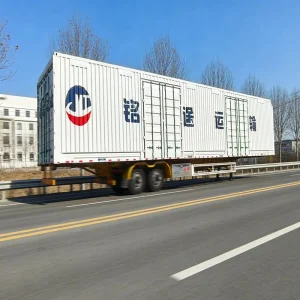
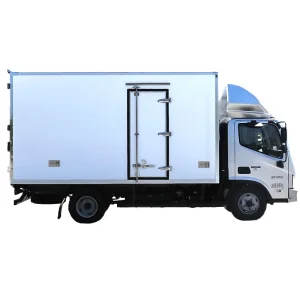
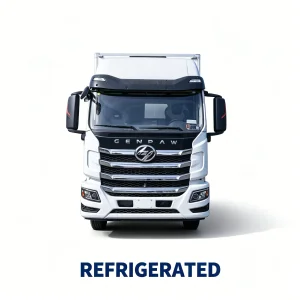
Pharmaceuticals and perishables depend on stable temperatures. Our reefer trucks and refrigerated semi-trailers maintain accurate thermal control from the factory loading dock to final regional distribution centers.
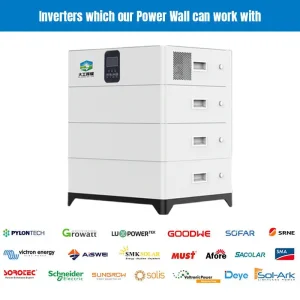
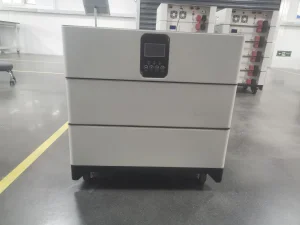
Modern transit hubs leverage advanced LiFePO4 residential and industrial ESS options, lowering carbon footprints and providing reliable backup power to port terminals and cold-chain facilities.
Optimizing cross-border commerce through strategic freight selection, localized routing, and door-to-door (DDP) customs clearance management.
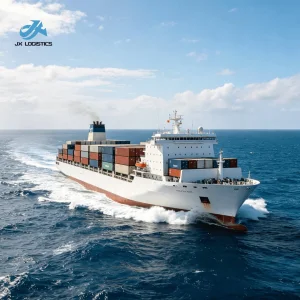
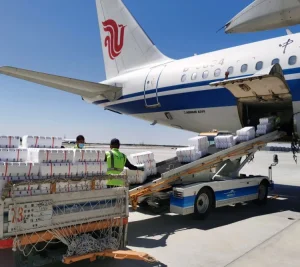
Global supply chain efficiency depends on choosing the right shipping channels. Sourcing managers must balance transit times against budget limits. While air freight offers quick transport from Chinese manufacturing hubs to markets in North America and Western Europe, sea freight remains the foundation of heavy industrial cargo delivery. Full Container Load (FCL) shipping provides security and cost savings, whereas Less than Container Load (LCL) consolidation helps smaller businesses optimize their inventory flow.
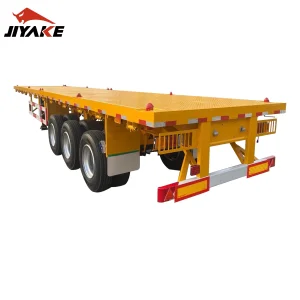
Shenzhen LoJo Logistics handles complex logistics corridors by offering comprehensive import-export routing, such as direct sea routes from China to Morocco (Casablanca, Tangier, Agadir) and remote shipping options to destinations like Iceland (Reykjavik). By controlling the physical container equipment (such as flatbeds and heavy-duty chassis) and maintaining strong carrier contracts, we reduce delay risks at busy transfer hubs.
Manufacturing shipping equipment involves meeting strict, region-specific technical standards. Lowbed trailers exported to the European Union must feature advanced braking systems, whereas refrigerated vans headed to North American highways require refrigeration units that align with CARB (California Air Resources Board) rules. Our factory handles these needs right on the assembly floor, integrating localized features directly into the fabrication stage to ensure hassle-free regulatory approvals.
Inside our production facility: where raw steel is transformed into heavy-duty shipping trailers and precise cold-chain equipment.
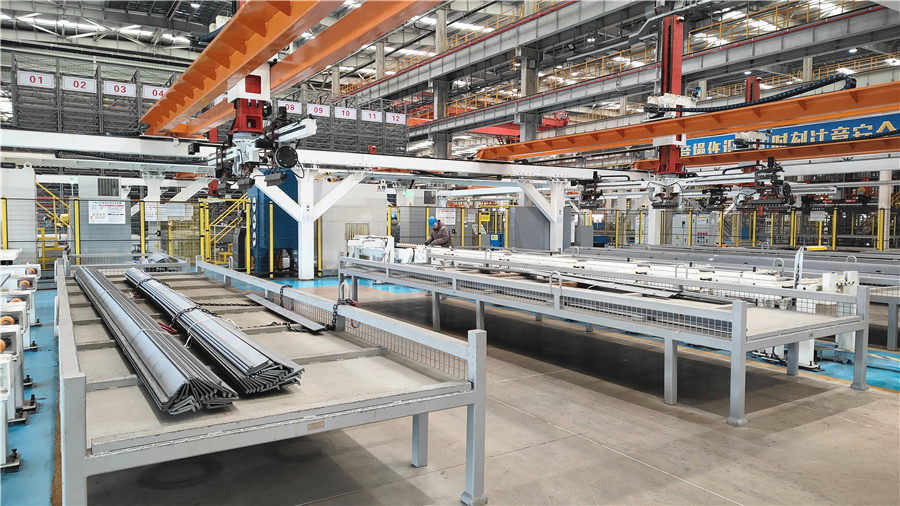
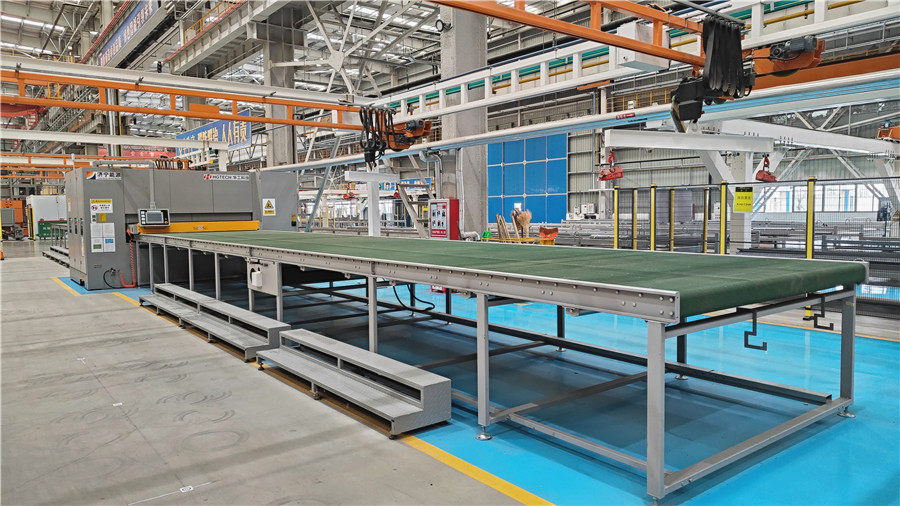
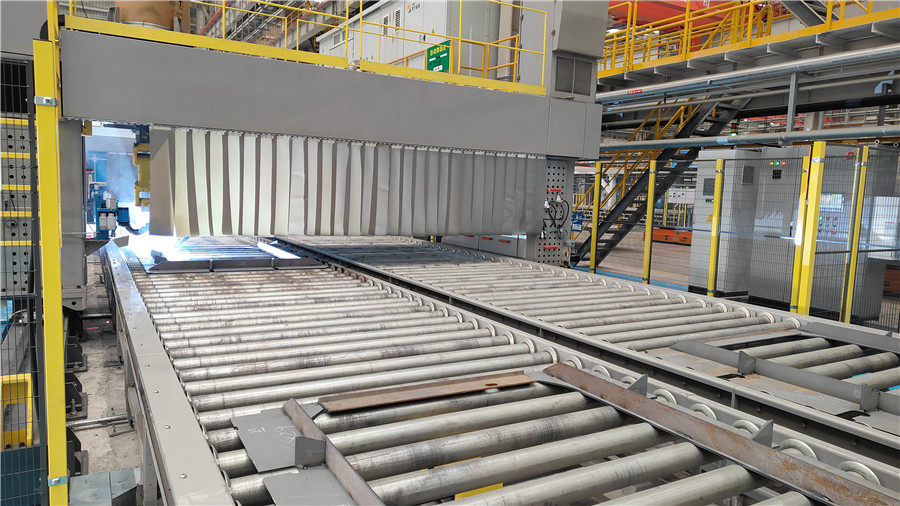
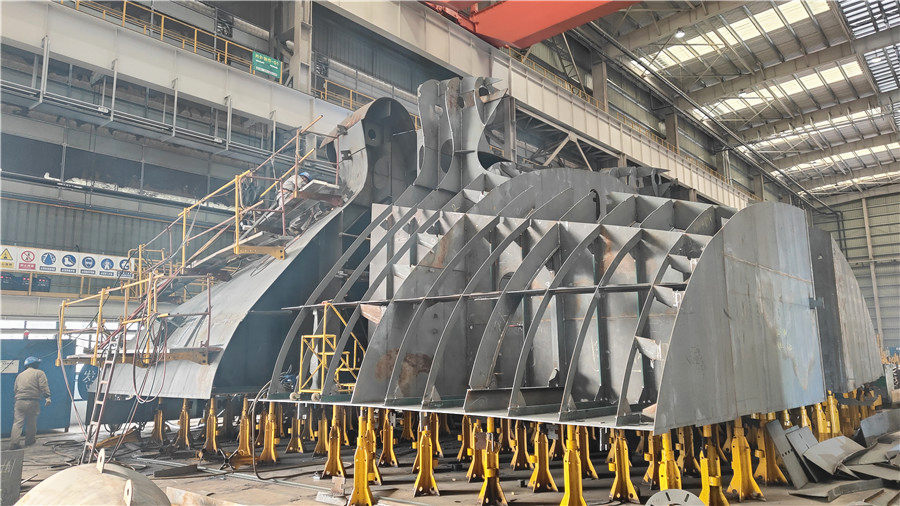
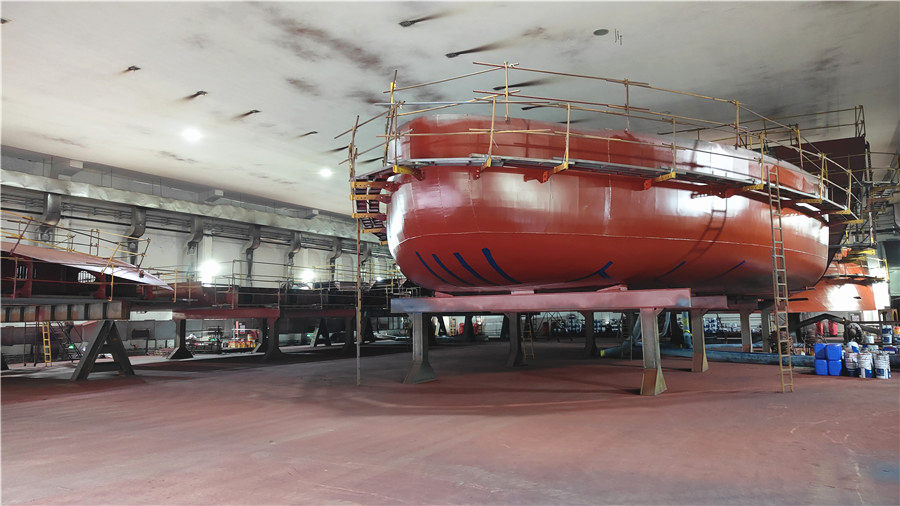
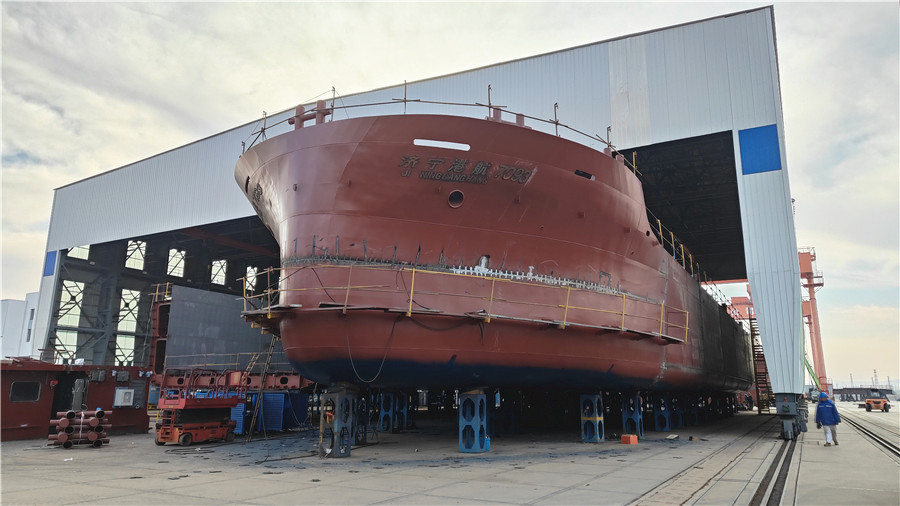
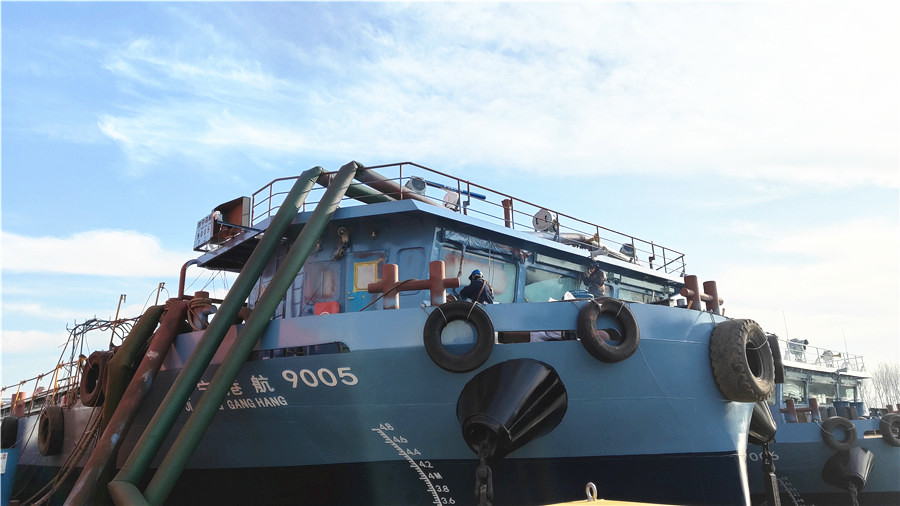
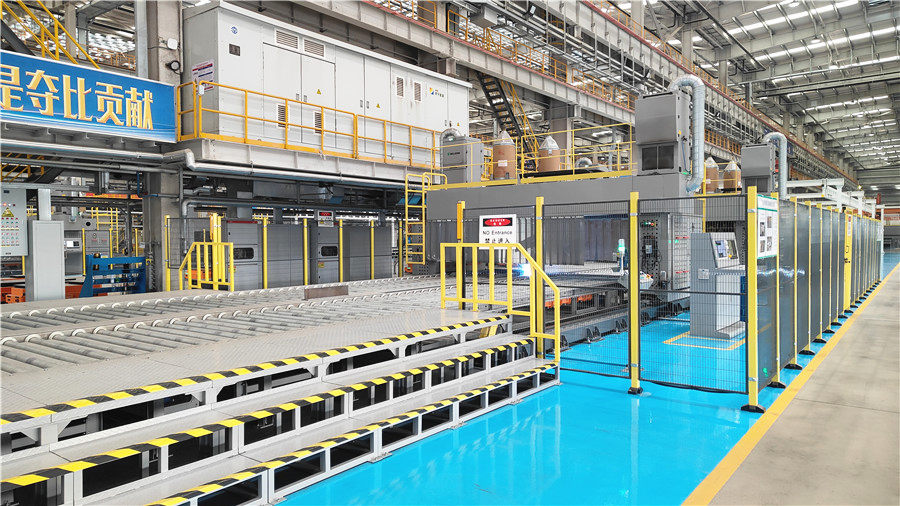
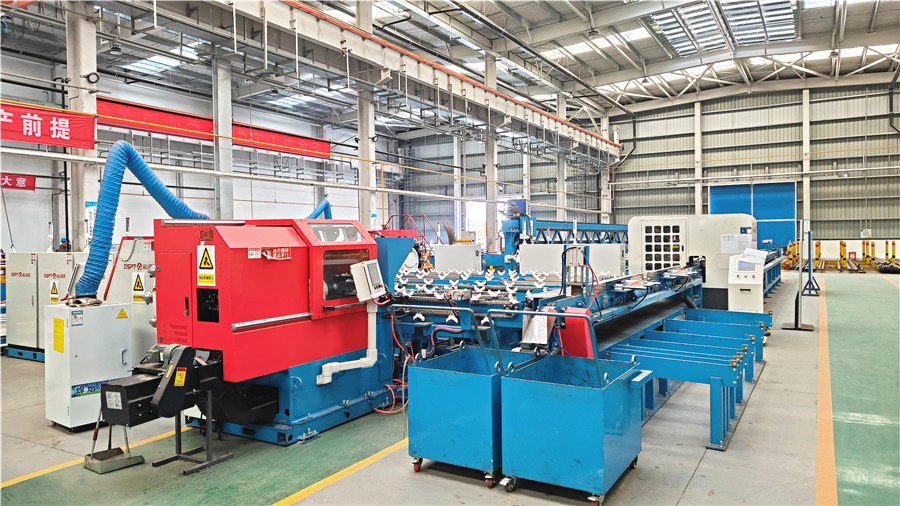
How automation, IoT, and clean energy storage solutions are transforming modern regional and global transport operations.
Using high-strength Q460 steel alloys along with automated robotic welding reduces empty trailer weight by up to 15% while keeping overall load capacities high. This allows transport companies to carry heavier cargos safely within regional weight limits.
Modern refrigerated trucks, such as the Foton Aumark and SAIC Hongyan Reefer models, feature real-time IoT monitoring. Sensors record temperature variations and automatically upload data to global supply chain platforms, providing complete transparency for delicate items.
Smart transport terminals are adding high-capacity lithium battery energy storage systems (ESS). These setups store off-grid energy to power electric reefer fleets, cutting down on diesel emissions during loading and processing windows.
Ensuring cross-border shipments comply with complex regional regulations, environmental standards, and import-export protocols.
Succeeding in global shipping requires navigating diverse international compliance systems. Every destination has its own rules, from FDA clearances for pharmaceutical cargo entering North America to GSO certificates for vehicles and parts bound for Saudi Arabia and the Middle East.
Shenzhen LoJo Logistics simplifies this journey by managing customs procedures and shipping documents directly. Through DDP (Delivered Duty Paid) shipping networks, we handle everything from tariff classification to paying local customs duties, protecting importers from unexpected costs or port delays. By maintaining modern fabrication facilities in Shenzhen alongside established freight networks, we coordinate everything from the manufacturing of parts to direct delivery to your warehouse, guaranteeing a reliable supply chain.
Answers to common questions regarding customs, specialized transport equipment manufacturing, and shipping routes from China.
Comprehensive ocean logistics, air freight, customs services, and specialized reefer systems connecting China to international industrial corridors.
 LoJo Logistics