Deploy global logistical assets, multimodal configurations, and direct supply-chain routes to guarantee high performance and robust compliance.





In today's highly volatile global trade arena, supply chain resilience and structural cost containment have surfaced as top-tier executive mandates. Freight auditing—historically perceived as an administrative, backward-looking back-office routine—has transformed into an aggressive strategic methodology. Global enterprises manage massive logistics networks involving hundreds of ocean carriers, third-party logistics (3PL) brokers, long-haul trucking providers, and express parcel networks. Because global transportation contracts are notoriously complex, containing fluid fuel surcharges, multi-layered accessory fees, demurrage thresholds, and geographical zone multipliers, systemic billing discrepancies have become normalized.
Statistical research across enterprise supply chains suggests that roughly 3.5% to 7% of all logistics invoices contain systematic errors. These errors stem from incorrect base tariff calculations, misapplied fuel indexes, redundant detention charges, and structural discrepancies in physical dimensions or freight classification codes. For international importers dealing with cross-border trade, these errors compound exponentially due to diverse local taxation structures, complex customs clearance fees, and multi-tier regional transit fees. Strategic freight auditing acts as a continuous financial firewall, detecting transaction anomalies, generating vast operational intelligence, and reclaiming lost margins directly from bottom-line operational leakages.
China remains the undisputed manufacturing powerhouse of the world. Beyond its sheer volume of production, its structural advantage lies in the deep density of its highly integrated industrial clusters and its advanced logistics infrastructure. Chinese manufacturing ecosystems, particularly those concentrated in hubs like Shenzhen, the Pearl River Delta, and the Yangtze River Delta, operate as unified, hyper-responsive supply chains. This structural concentration minimizes internal transit friction, allowing components, custom fabrications, raw materials, and finished products to move seamlessly between production nodes in hours rather than weeks.
Shenzhen, in particular, has evolved from a local manufacturing hub into the world's most advanced digital hardware, electronics, and global logistics powerhouse. Importers and exporters operating globally rely heavily on this ecosystem to keep their retail store shelves filled and their heavy industrial manufacturing assemblies functioning. However, managing this volume requires deep specialized knowledge of maritime schedules, port logistics, custom classifications, and intermodal freight routing options. Shenzhen LoJo Logistics Co., Ltd., strategically based at this global supply chain node, leverages this massive local industrial base to deliver highly integrated, tech-driven, end-to-end logistics and auditing solutions for businesses of all scales.
By coupling physical manufacturing outputs with digital logistics tracking systems, Chinese freight forwarding partners offer real-time insights that prevent operational delays and financial leakage before cargo ever boards an ocean vessel or aircraft.
Shenzhen LoJo Logistics Co., Ltd. is not just an ordinary freight forwarder; it is a highly specialized logistics architecture and cost-recovery partner designed for the complexities of modern cross-border commerce. Importers and global enterprise buyers frequently wrestle with lost shipments, unexpected accessory fees, custom hold-ups, and lack of supply chain visibility. LoJo Logistics directly resolves these structural pain points through robust experience, expert field engineering, local regulatory authority, and comprehensive operational transparency.
Whether navigating the strict parameters of high-value electronic component distribution, hazardous vape transport, shopify e-commerce distribution networks, or heavy machinery movements, the company utilizes advanced auditing systems. These systems verify every charge against contract rates, dimensional weight regulations, and real-time transit conditions, ensuring that what was quoted matches the invoice exactly. LoJo's operational scope spans several core capabilities:
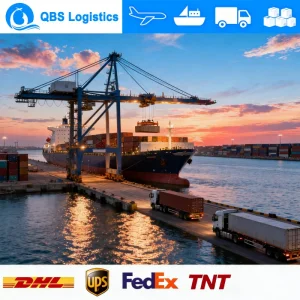
Direct routes and consolidated services linking Chinese hubs like Qingdao, Shanghai, and Shenzhen directly to global destinations (Europort, UAE, and Singapore).
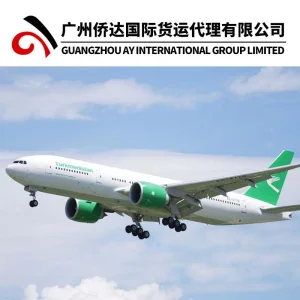
Rapid, high-priority schedules with tier-1 airline partnerships (TG, CZ, CA) for time-critical, high-value, and temperature-sensitive freight.
End-to-end clearing, customs integration, and final mile delivery directly to Shopify hubs, Amazon FBA facilities, and consumer doorsteps.
By leveraging powerful digital resources in mainland China, Shenzhen LoJo Logistics establishes direct API and data integrations with ports, customs authorities, and domestic trucking divisions. This creates a secure, reliable logistics framework that protects global buyers from the risks of cargo loss, arbitrary pricing spikes, and unexpected custom delays.
How does a modern freight auditing process actually function under the hood? The process is a combination of advanced software rulesets and deep supply chain expertise. When a shipment is booked, a digital contract benchmark is established. The moment the carrier generates the final invoice, the auditing engine compares every single transactional metric against that benchmark. This includes verifying:
1. Base Freight Rate Discrepancies: Confirming that seasonal ocean freight rate indexes, contracted FCL container rates, or variable air cargo spot prices match agreed-upon figures.
2. Fuel Surcharge Validation: Automating the calculation of fuel adjusters based on weekly average marine diesel and aviation fuel indexes corresponding to the precise day of departure.
3. Dimensional Weight (Dim Weight) Auditing: Cross-referencing weight receipts and optical laser-scanner cargo profiles at the origin warehouse against the dimensions used by the carrier to calculate volumetric density charges.
4. Accessorial, Demurrage, and Detention Validation: Verifying port timestamps and terminal release logs to flag illegitimate charges for delayed pickup, custom delays, or terminal wait times.
If any single variance is identified, the auditing team files a structured claim against the carrier, handling the communication and recovery loop directly. This proactive management guarantees that the importer only pays for services actually rendered at the exact rates agreed upon in their shipping contracts.
Our freight services operate in close synergy with heavy industrial production processes. True freight auditing requires a deep understanding of physical cargo fabrication, heavy assembly, and packaging configurations.
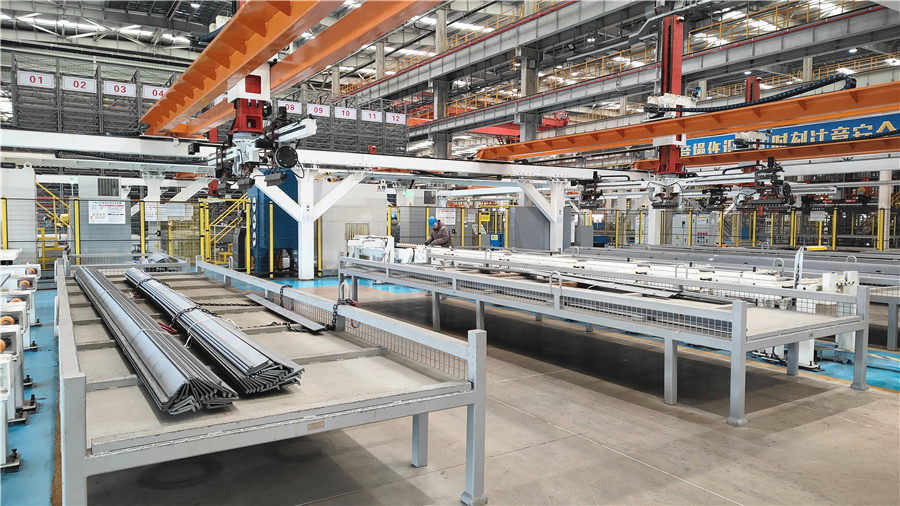
High-precision sheet metal and profile fabrication. Exacting physical dimensioning ensures optimal box sizing and space utilization during packaging design.
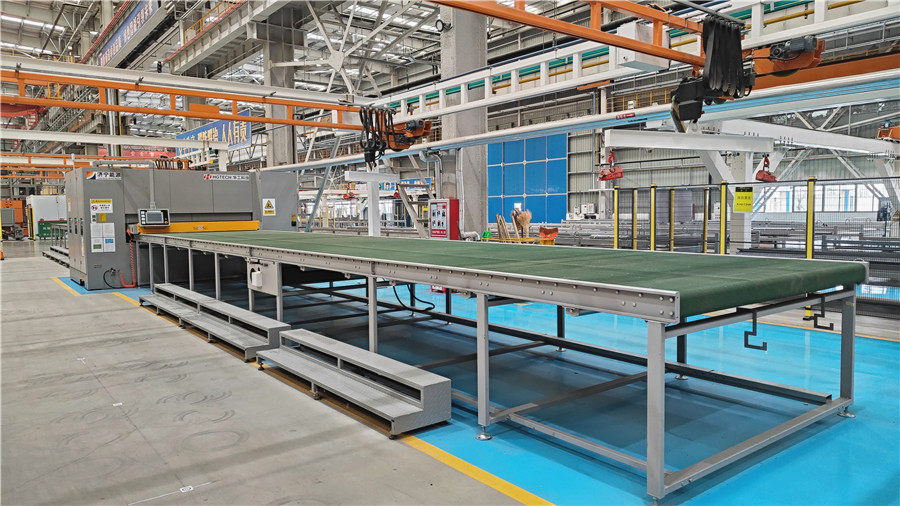
Specialized surface finish protection. Delicate, high-polish components require drop-tested structural crating and climate protection during ocean transit.
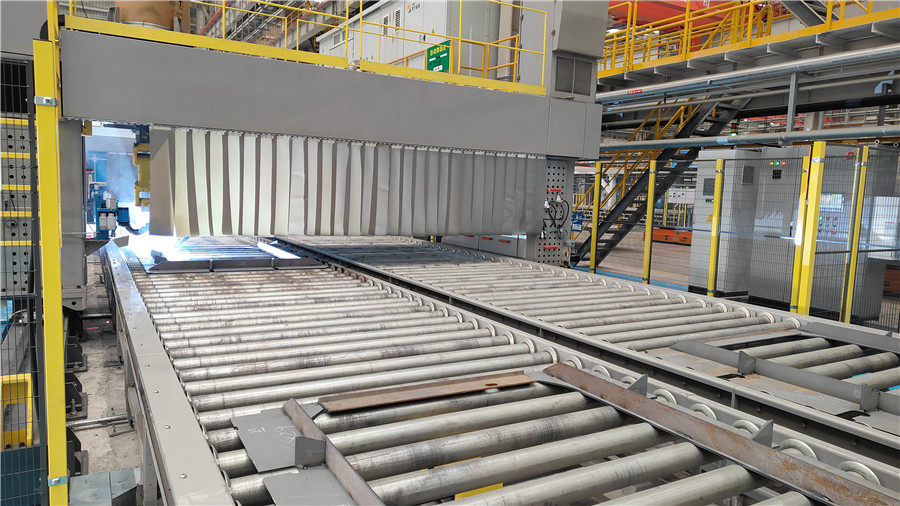
Heavy structural welding of metal components. Custom freight consolidation and center-of-gravity engineering for large machinery transport.
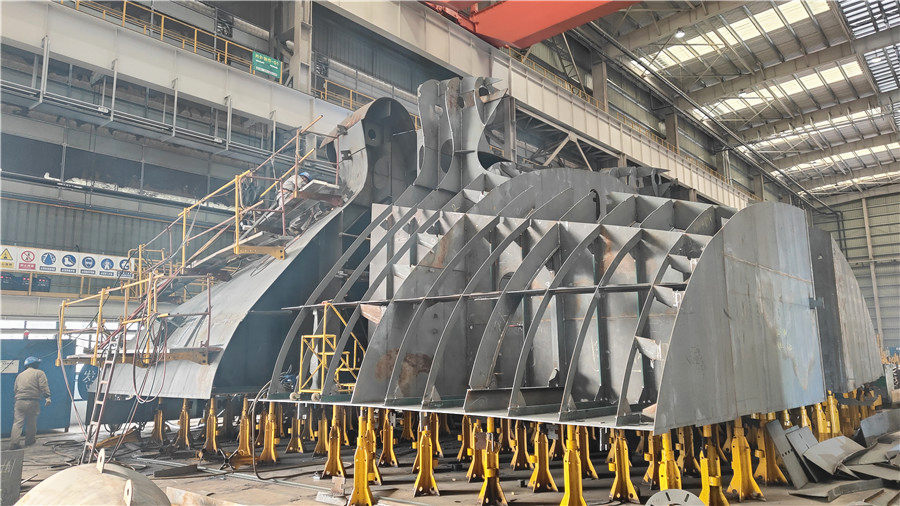
Rigid quality assurance protocols on heavy welded assemblies to ensure complete physical integrity under dynamic intermodal shipping forces.
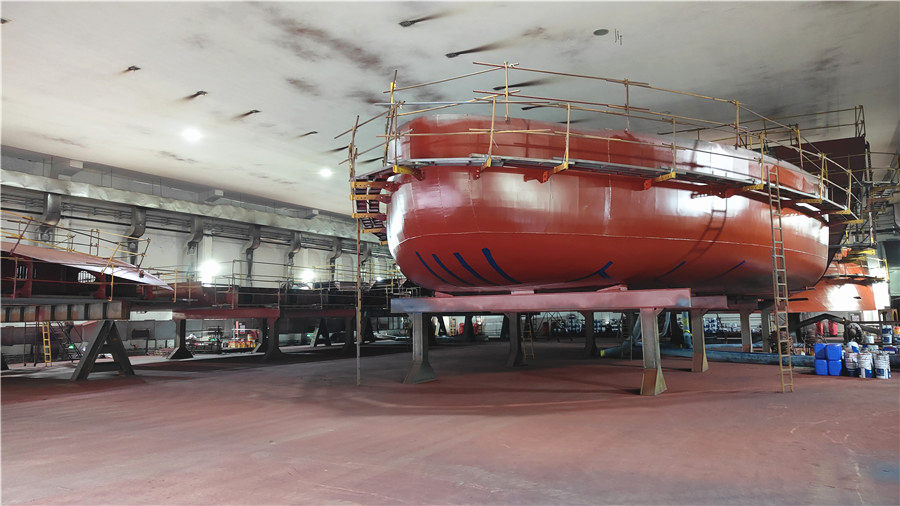
Anti-corrosion marine environment coating. Protective surface layering shielding raw metals from humid salt air during sea shipping transit.
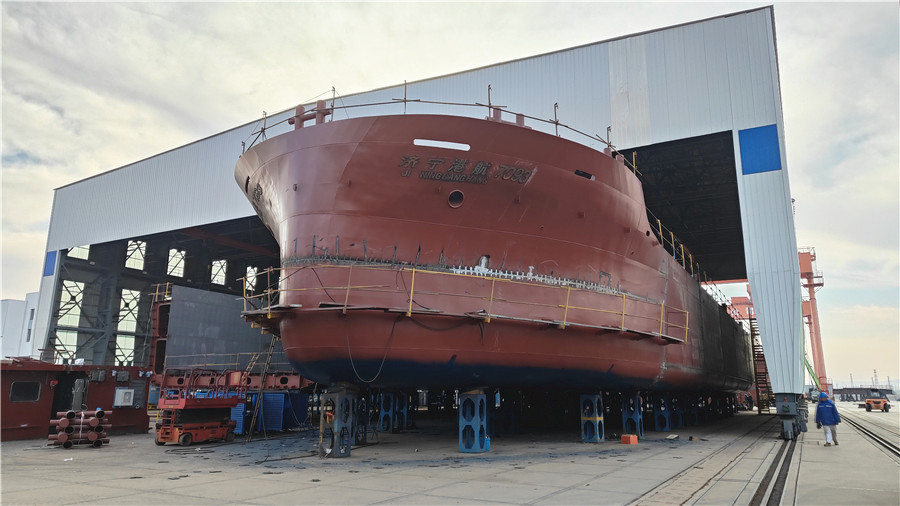
Comprehensive post-fabrication inspections. All dimensions are digitally logged to match packaging labels and freight bills perfectly.
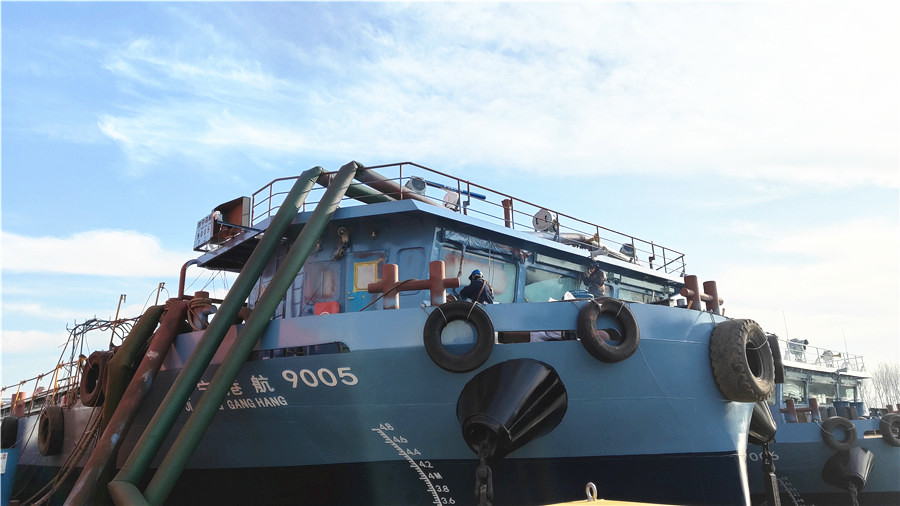
Configuring modular sub-assemblies. Heavy, dense parts require optimized layout patterns to maximize container cubing factors and avoid tare penalties.
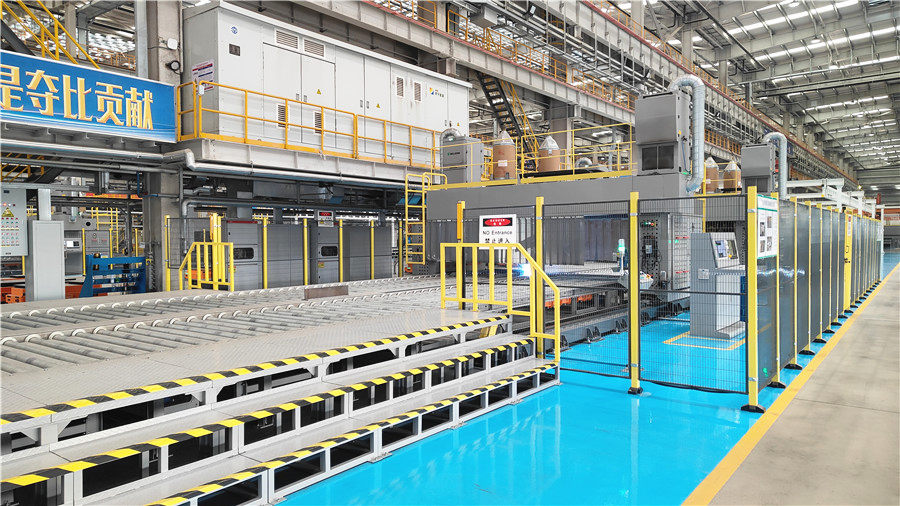
High-speed production cells. Automated outputs require dynamic scheduling to maintain balanced dispatch volumes and avoid demurrage costs.
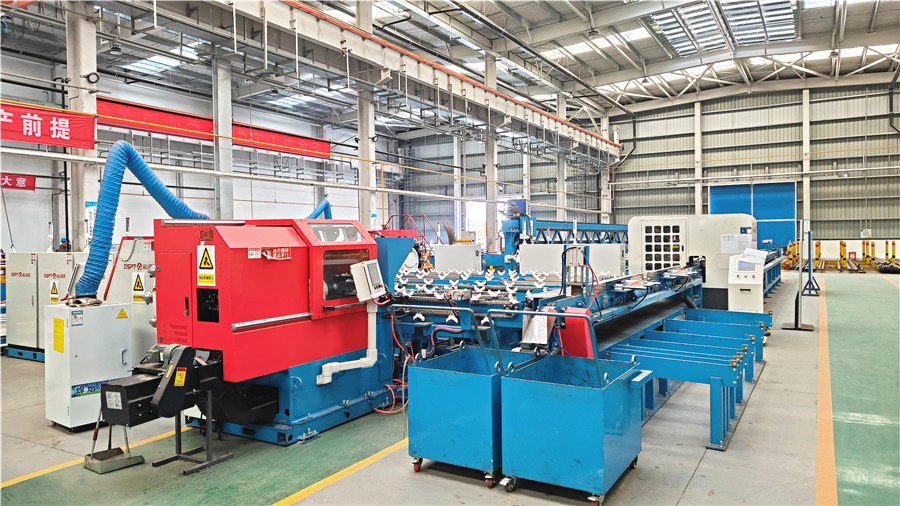
Heavy profile sizing. Long-length cargo management requires custom flat rack, open top container configurations, and specialized permits.
Standardized, one-size-fits-all shipping logistics often lead to damaged freight and inflated accessory fees. Different industrial categories require tailored freight architectures. Modern supply chain operations typically group these requirements into three primary pillars:
Transporting biological compounds, pharmaceutical raw materials, fine chemicals, or high-end perishables demands rigorous climate integrity. Utilizing dedicated cold chain temperature-controlled transportation and insulated thermal boxes, cargo temperature profiles must be monitored and logged constantly. Any variance in temperature can ruin an entire shipment. A robust freight audit checks not only shipping tariffs, but also refrigeration fuel surcharges and temperature compliance logs to protect the buyer from damaged freight.
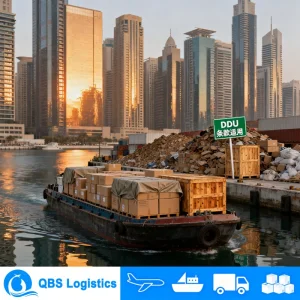
E-commerce distribution is fast-paced. Using integrated DDP Fulfillment for Shopify Stores allows systems to automatically sync orders, generate waybills, and dispatch parcels immediately. In this environment, billing errors occur in small but high-frequency amounts, such as incorrect address correction fees, residential delivery surcharges, or dimensional weight penalties. Automated freight auditing aggregates these micropayments, systematically validating them against regional postal carrier rate grids to recover significant costs.
Shipping custom welded assemblies, laser-cut components, and machinery requires detailed flat rack planning, breakbulk coordination, and crane operations. Here, logistical auditing focuses on accessorial charges: crane hire times, port handling fees, custom classification codes, and overweight permits. Ensuring correct harmonized tariff classification avoids regulatory penalties and customs delays during international transit.
Looking ahead, freight auditing and global logistics are being transformed by artificial intelligence and environmental mandates. Machine learning models now review logistics documents in real time, reading bills of lading, proof of delivery forms, and rate sheets to flag discrepancies before payment occurs. Additionally, as companies work to reduce their environmental impact, auditing platforms are tracking carbon emissions alongside freight costs. Calculating shipping emissions allows businesses to select cleaner, more efficient transit routes, preparing their supply chains for future carbon taxation and corporate responsibility targets.
Answers to key operational, financial, and strategic questions from global logistics and procurement teams.
Explore our specialized cargo pathways, cold chain solutions, and international shipping options.


 LoJo Logistics