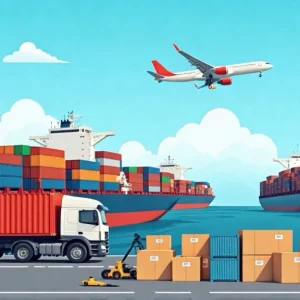
Real-time monitored sea, air, rail and multimodal industrial freight solutions
Analyzing key supply chain variables, shipping market fluctuations, and optimization paths in the era of high-velocity logistics
Modern global commerce is shifting towards highly dynamic, decentralized manufacturing setups, making logistics one of the critical competitive differentiators for heavy industrial exporters, raw materials manufacturers, and heavy cargo importers. Standard shipping methods are frequently insufficient for large-scale operations or Project Cargo (Out-of-Gauge - OOG). Complex logistics require specialized handling, deep regulatory compliance knowledge, and resilient freight forwarding infrastructure.
Information Gain: Industrial cargo logistics cannot rely on standard container allocation models. True cost control and safety stem from dynamic stowage calculations, multi-modal integration, and end-to-end customs compliance architectures optimized specifically for the export hubs of mainland China.
Global logistics currently faces rising geopolitical friction, shipping lane diversions, and volatile bunker adjustment factors (BAF). Despite these challenges, high-value manufacturing and bulk materials continue to flow across trade lanes. The demand for reliable global trade lanes—especially linking manufacturing centers in China with growing industrial regions in Latin America, Europe, Africa, and Central Asia—remains highly critical.
Purchasing managers and supply chain directors are moving away from traditional transactional transport patterns. Instead, they seek long-term strategic freight partners capable of securing slot allocations, negotiating customized charter agreements, and executing integrated customs filings. This shift protects against unforeseen ocean freight spikes and sudden changes in import tariffs.
How physical logistics engineering, customized packaging, and assembly coordination ensure transit safety and reduce operational costs
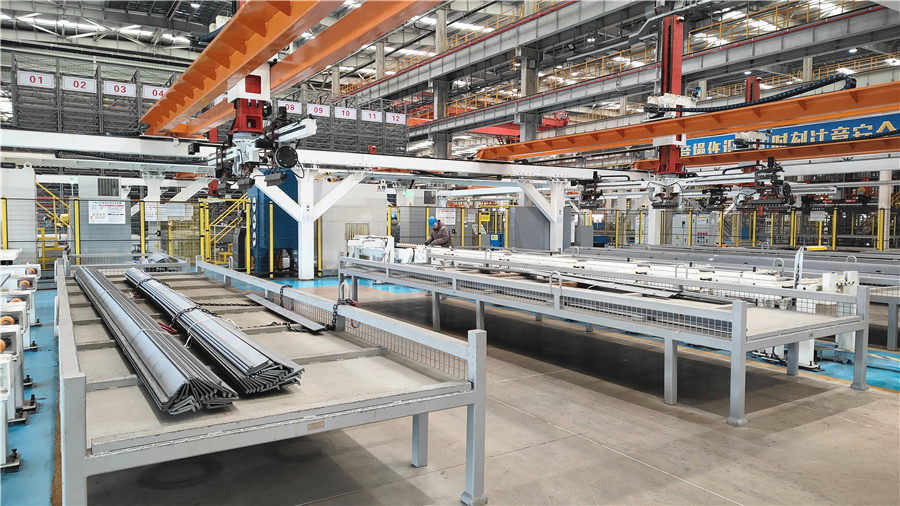
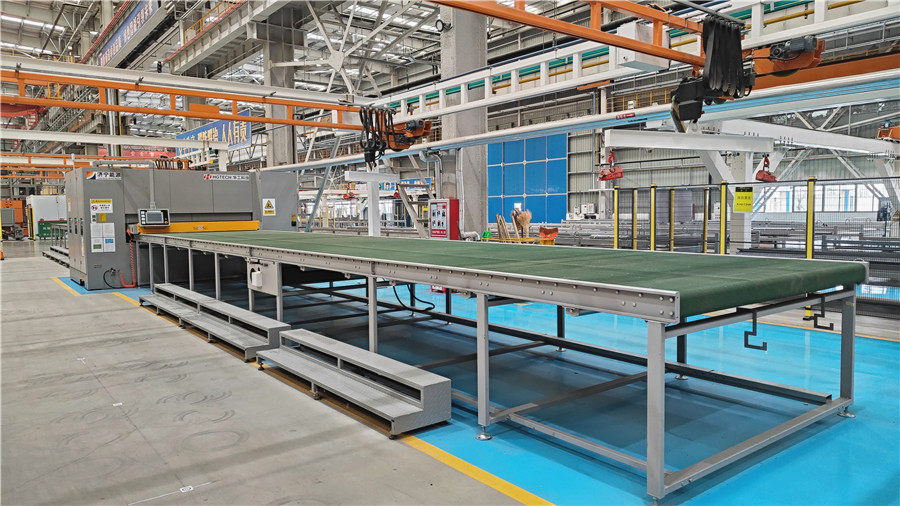
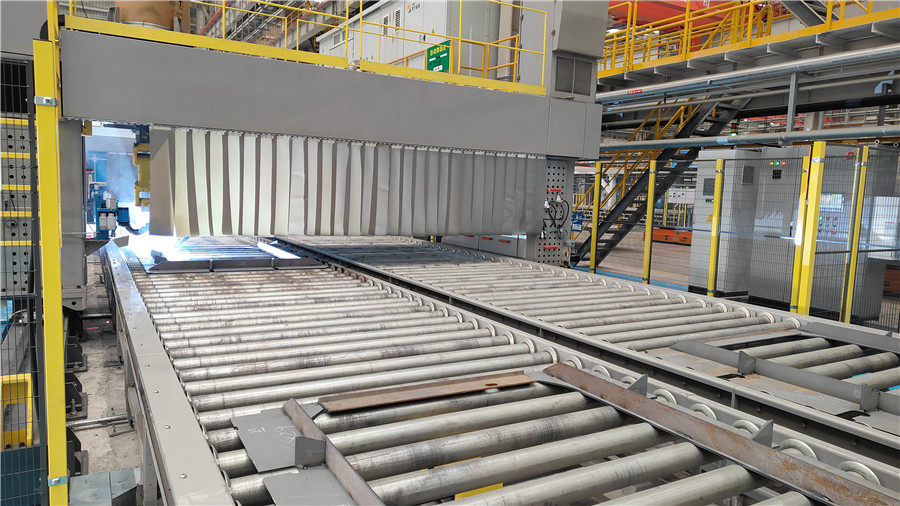
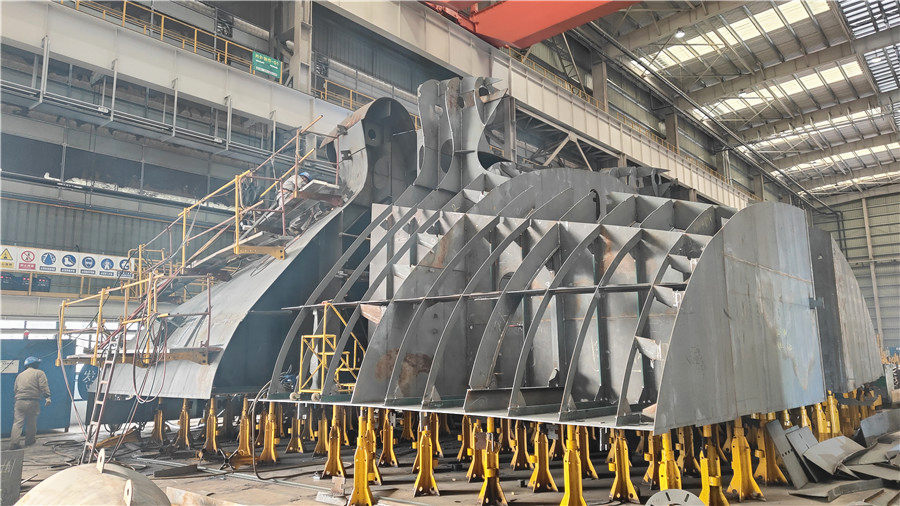
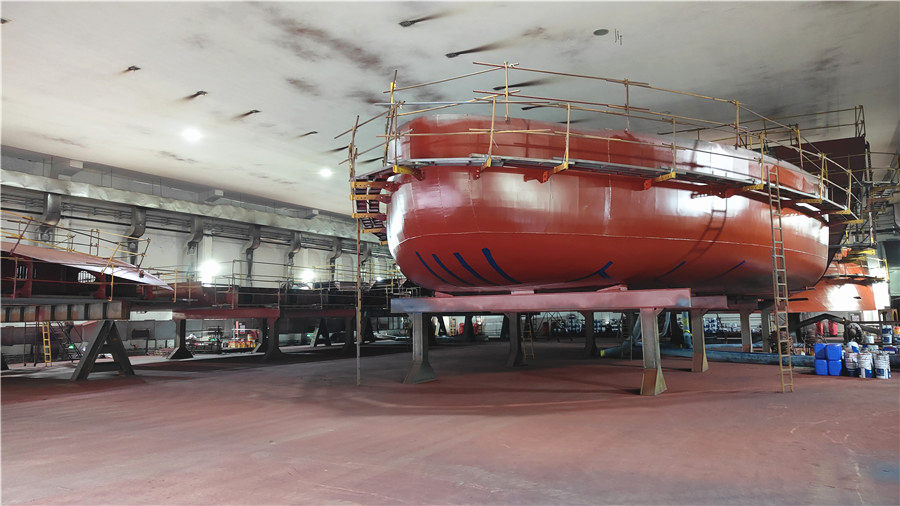
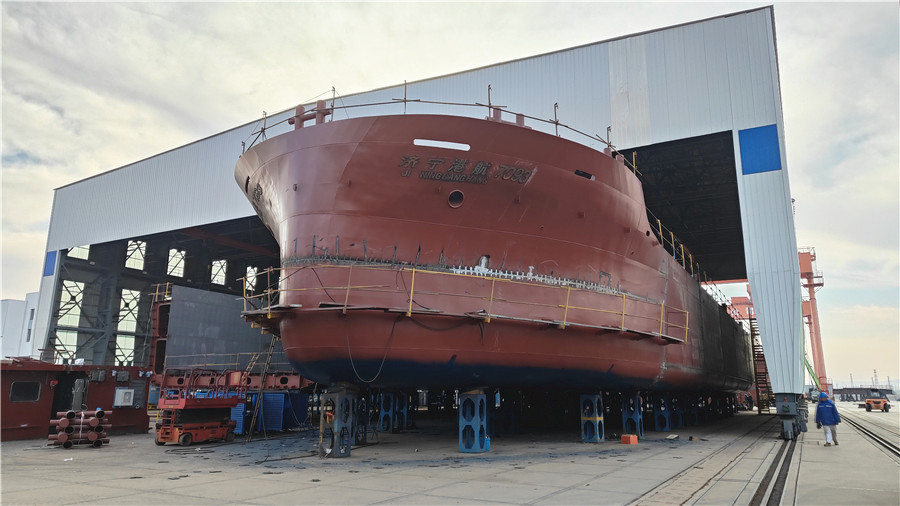
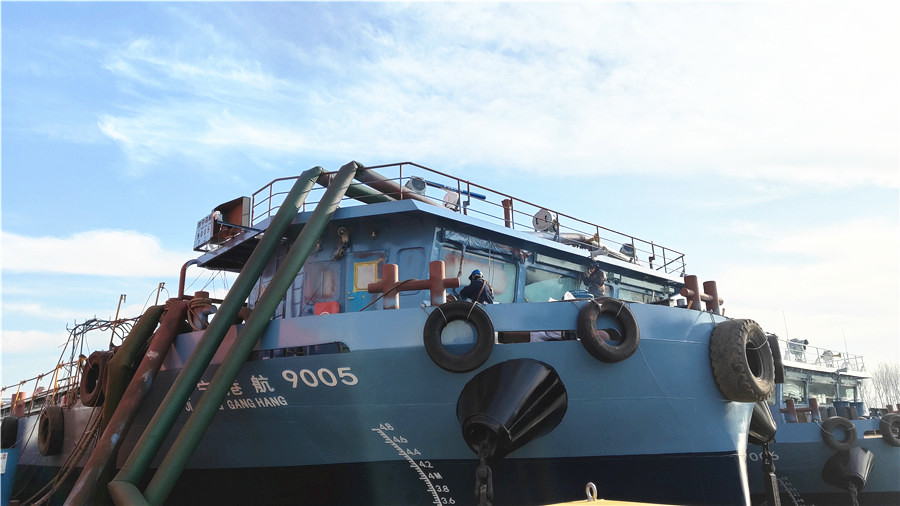
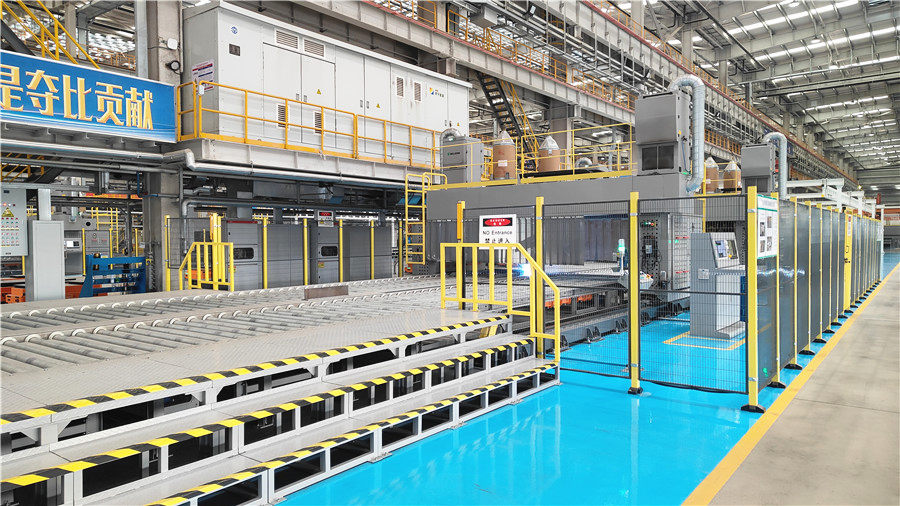
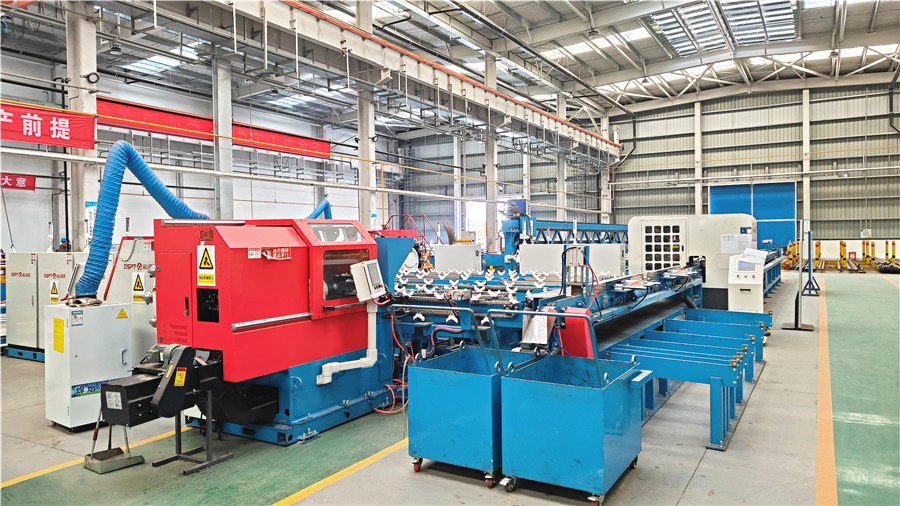
Southern China, with Shenzhen and the Pearl River Delta at its center, serves as a key engine of international trade. Shenzhen's logistical efficiency relies on a dense network of raw material suppliers, component factories, and advanced manufacturing sites connected directly to deepwater ports like Yantian, Shekou, and Chiwan.
At Shenzhen LoJo Logistics, our operations integrate directly with these industrial processes. We understand the physical properties of manufacturing materials, including structural steel, lithium batteries, and machinery parts. Our logistics process often begins during the final stages of manufacturing. This early integration allows us to coordinate customized shipping frames, secure specialized heavy-duty crating, and verify dimensions before transport, minimizing damage risks and transit delays.
End-to-end supply chain services designed for reliability, cost efficiency, and full compliance
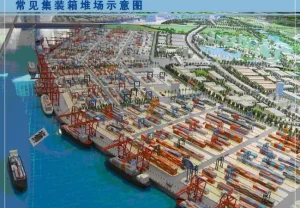
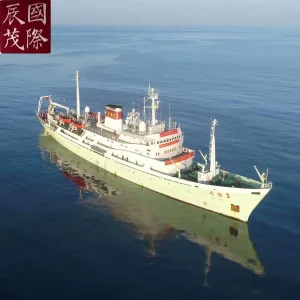
We provide full container load (FCL) and less than container load (LCL) consolidation services from all major ports in China. Our close relationships with shipping lines help secure slot allocations even during peak seasonal demand.
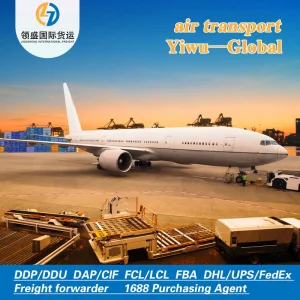
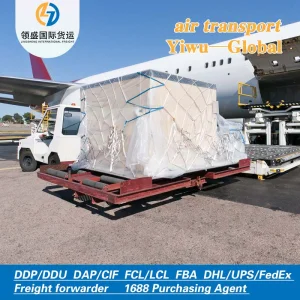
We offer reliable air transport connections to global markets for urgent or high-value cargo. Our services include standard air cargo routing, express courier delivery, and specialized temperature-controlled air transport.
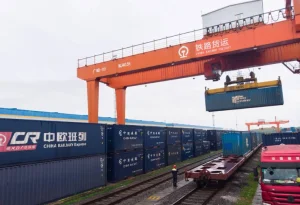
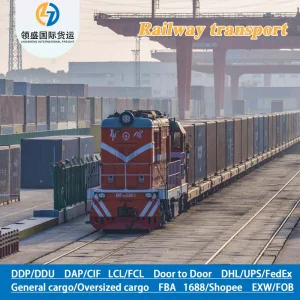
We coordinate cross-border rail solutions via the China-Europe Railway Express. This service connects Chinese manufacturing terminals to European hubs and Central Asia (such as Tashkent) with fixed, predictable schedules.
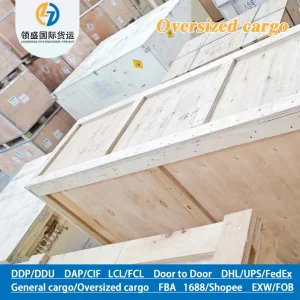
We manage complex transportation for oversized machinery, raw industrial materials, and vehicles. Our team coordinates RO/RO shipping, flat rack positioning, and open-top container stowage.
We handle customs documentation at both departure and destination points. Our team manages tariff classifications, customs declarations, trade compliance audits, and final destination import filings.
We provide full-service Delivered Duty Paid (DDP) options, taking responsibility for your cargo from initial pick-up to final delivery. This includes clearing customs and paying local duties in major global markets.
Detailed analysis of custom shipping routes and cargo handling requirements for key industrial sectors
Shipping heavy machinery, industrial vehicles, and large steel fabrications to markets like Peru and Chile presents significant logistical challenges. Traditional containerized shipping is often not feasible for these oversized loads. These shipments require specialized Out-of-Gauge (OOG) shipping configurations, including flat racks, open-top containers, and Roll-on/Roll-off (RO/RO) vessels.
At Shenzhen LoJo Logistics, our project cargo managers coordinate the entire shipping process. We secure appropriate vessel types, design and verify heavy-duty lashing systems, and manage route surveys. This helps identify and avoid potential physical obstacles between the manufacturing facility and the departure port. By handling import customs clearance in destination markets such as Callao or San Antonio, we help clients avoid port storage fees and customs delays.
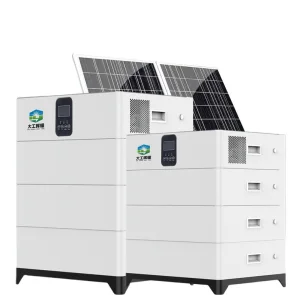
The global demand for energy transition materials, such as LiFePO4 batteries and solar energy storage systems, has introduced new logistics challenges. Because lithium batteries are classified as Class 9 Dangerous Goods, they require strict adherence to international safety regulations, including UN38.3 testing certification, specialized packaging, and precise temperature monitoring.
We manage battery logistics by using temperature-controlled shipping containers and maintaining compliance with all maritime safety requirements. Our team prepares dangerous goods declarations and secures necessary approvals from vessel operators. This helps clients import lithium iron phosphate cells and industrial inverters safely and in full compliance with local regulations.
Supply Chain Security Note: Transporting energy storage systems requires complete documentation. Even minor errors in dangerous goods declarations can lead to carrier rejections, customs holds, or significant fines at the port of entry.
For landlocked markets in Central Asia, such as Uzbekistan (Tashkent), ocean freight is not a practical primary option. For these trade lanes, rail logistics serves as a reliable alternative, offering faster transit times than ocean freight and lower costs than air transport.
We operate regular rail freight services connecting major Chinese rail terminals with Central Asian destinations. Our team manages the transition between different rail systems, coordinates customs clearance at border crossings, and arranges final truck delivery. This ensures reliable door-to-door transit times for industrial equipment and consumer cargo.
Key strategies for procurement departments to reduce transit risks and control logistics costs
Procurement directors and supply chain managers require transparent pricing, reliable transit schedules, and clear accountability from their logistics partners. When managing overseas shipments, cargo delay, cargo damage, and unexpected port fees are common challenges that can disrupt manufacturing schedules and impact profitability.
To mitigate these risks, modern supply chains are adopting the following optimization strategies:
How automation, environmental regulations, and digital systems are shaping global supply chains
The international freight forwarding sector is undergoing transition driven by environmental requirements, technological adoption, and the need for greater supply chain resilience. Procurement managers should prepare for several key trends over the coming years:
With the International Maritime Organization (IMO) target of achieving net-zero greenhouse gas emissions from shipping by or around 2050, carriers are facing increasing pressure to adopt cleaner fuels. This transition will likely impact freight rates through new fuel surcharges and environmental fees. Exporters who optimize their packaging density and utilize efficient routing will be better positioned to manage these costs.
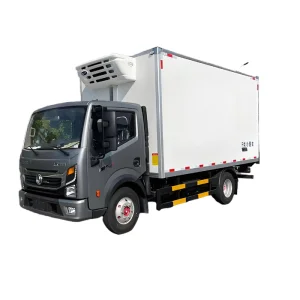
Real-time visibility is becoming a standard requirement for industrial cargo. Modern tracking systems utilize IoT sensors to provide real-time updates on location, temperature changes, and physical movement. This level of tracking is particularly valuable for sensitive cargo, including pharmaceutical shipments, cold chain food products, and precision electronics.
Recent disruptions on key maritime routes highlight the importance of having alternative transport plans. Resilient logistics strategies increasingly combine ocean, air, rail, and road transport to bypass congested ports and shipping bottlenecks. This flexibility helps maintain supply chain continuity during major disruptions.
Professional advice on shipping procedures, customs requirements, and cargo handling
Customized routes, cargo consolidation, and high-performance battery systems
 LoJo Logistics