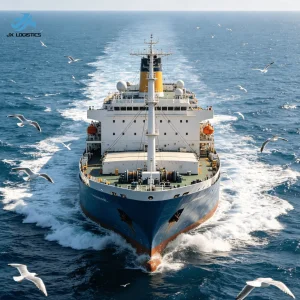
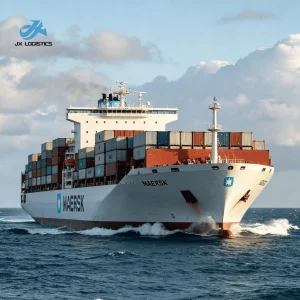
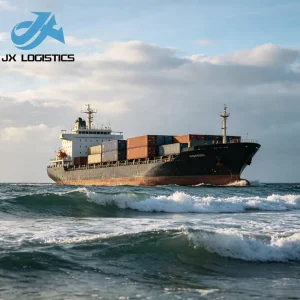
Direct routes, specialized equipment fleet, and custom customs logistics systems engineered specifically for high-capacity industrial transcontinental transport.
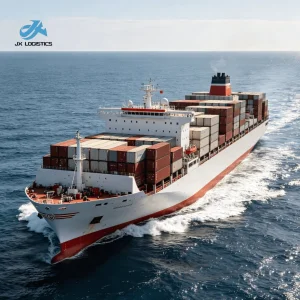
In the contemporary landscape of global trade, Hungary has transitioned from a geographical core of Central Europe to a major logistical nexus. With the rapid expansion of manufacturing, electronics, and especially the automotive battery sector (spurred by massive investments from Asian multinational entities), Hungary serves as the premier distribution pipeline for both Eastern and Western European markets. Developing a robust, highly synchronized cross-border trucking and road transport network is no longer a luxury—it is an operational imperative.
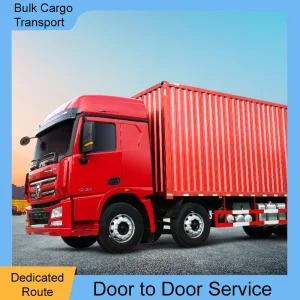
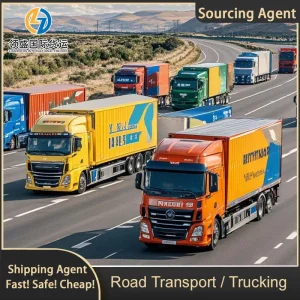
Hungary sits at the intersection of several primary Pan-European transport corridors, including Corridors IV, V, and X. These corridors link northern European ports directly to Southern European maritime portals and Western markets. Road freight infrastructure in Hungary has seen unprecedented development, featuring modernized expressways that dramatically lower transit times to neighboring powerhouse economies such as Germany, Austria, and Romania. Consequently, cross-border trucking operating from or passing through Hungary is uniquely positioned to handle massive, multi-tiered shipments that require precise, just-in-time delivery parameters.
For modern global procurement managers, logistics is no longer analyzed strictly as a operational expense, but as a critical strategic asset. Global supply chain disruptions have underscored the importance of selecting partners who can provide end-to-end transparency, regulatory compliance, and adaptable shipping methods. The industry is currently defined by three distinct trends:
Supply chain security must encompass precise handling of specialized commodities, specifically hazardous components, battery logistics, and large industrial heavy machinery. E-E-A-T requires absolute compliance with local regulations, particularly concerning hazardous materials and bonded storage rules in the European Union.
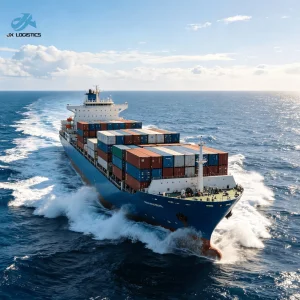
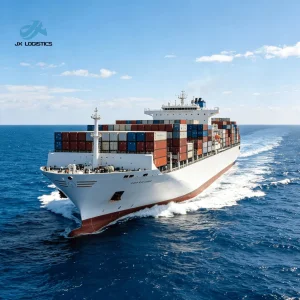
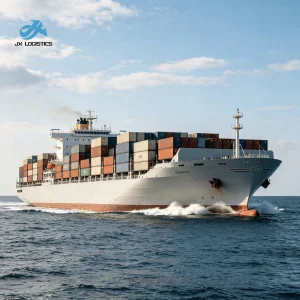
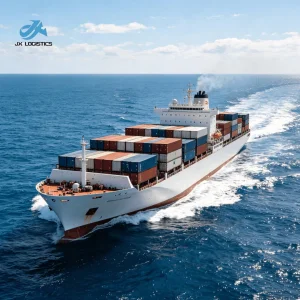
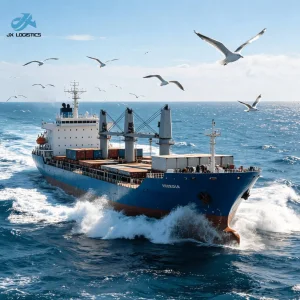
Synchronizing cross-border road trucking with ocean freight pipelines ensures that intercontinental transport functions seamlessly. Combining sea and road corridors offers an optimal compromise between transcontinental speed and cost-effectiveness.
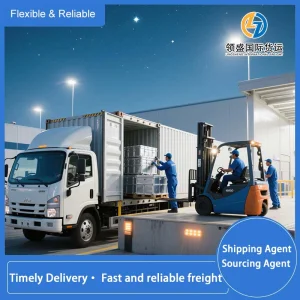
International logistics must prioritize the complete management of terminal customs clearance, cargo inspections, warehousing, and secure delivery directly to final destination warehouses without unpredictable intermediate tariffs or clearance delays.
Are you still worried about lost cargo, delayed deliveries, or rising logistics costs while expanding your international trade with China? The smart solution is choosing a reliable China freight forwarding partner.
Shenzhen LoJo Logistics Co., Ltd. is a professional international freight forwarding company dedicated to providing efficient, secure, and cost-effective logistics solutions for global importers and exporters. With years of experience in the logistics and supply chain industry, we help businesses simplify international shipping and improve transportation efficiency.
At LoJo Logistics, we believe that logistics is more than simply moving cargo — it is about delivering reliability, transparency, and peace of mind. Our team is committed to offering full-process logistics support, ensuring that every shipment is handled professionally from pickup to final delivery. By leveraging strategic hubs in Shenzhen and our European logistics networks, we establish high-efficiency corridors tailored for Hungarian enterprises.
We provide comprehensive freight forwarding and supply chain services designed to integrate perfectly with cross-border European operations:
Whether you are a small business, medium-sized enterprise, or individual importer, LoJo Logistics can tailor shipping solutions according to your budget and operational needs.
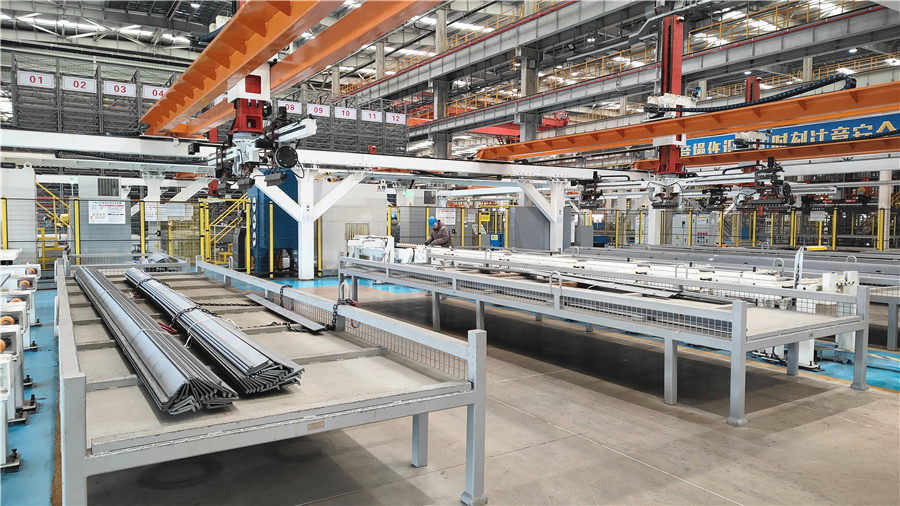
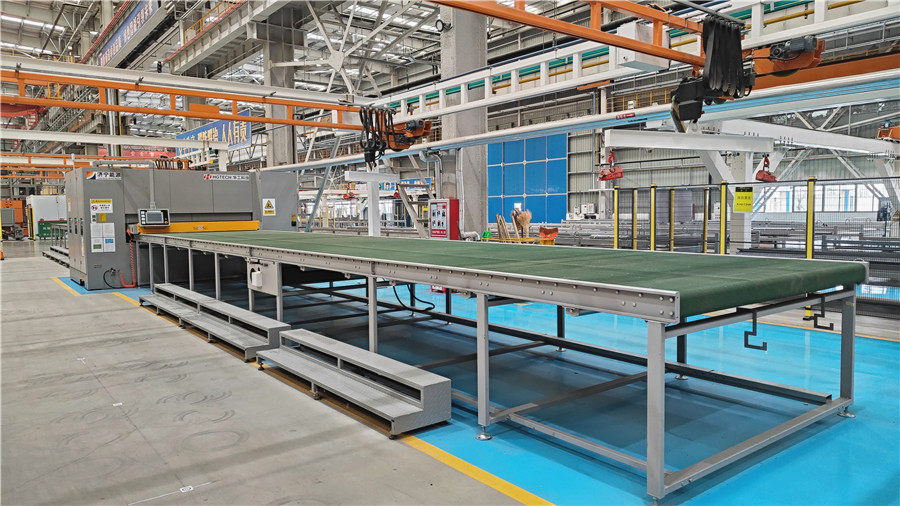
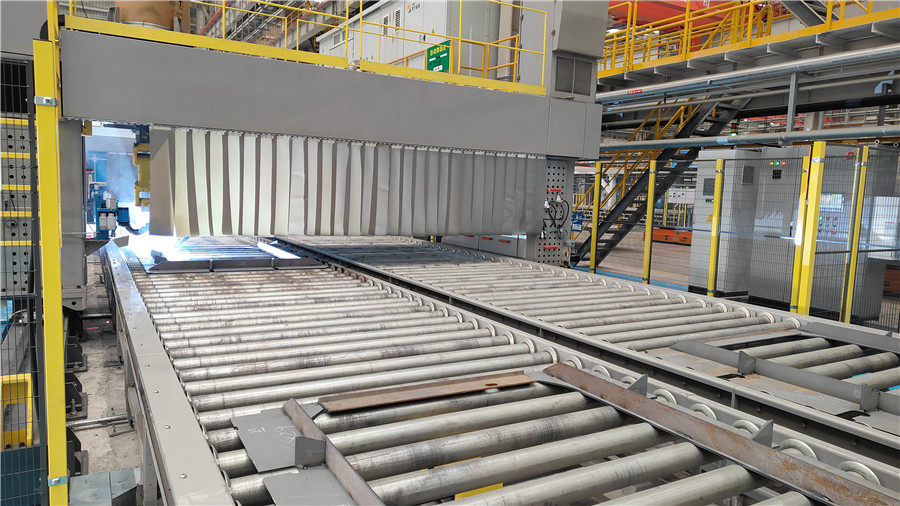
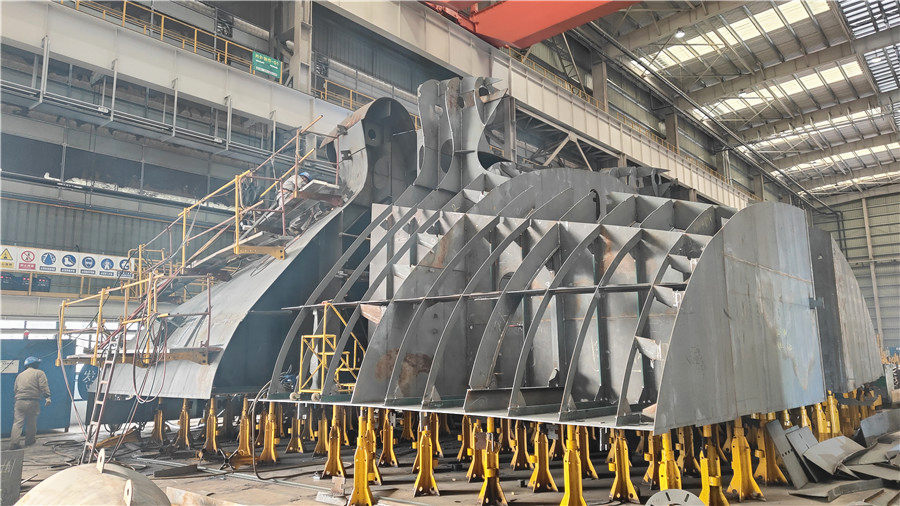
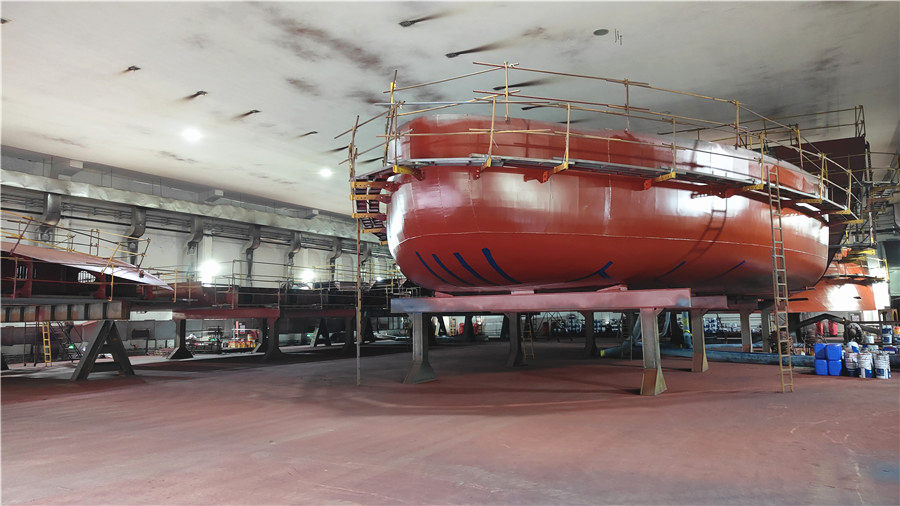
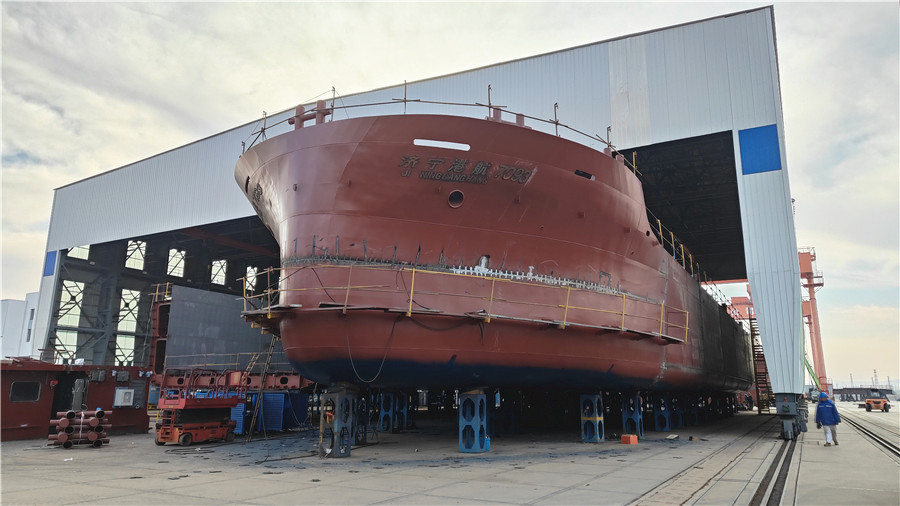
To support special logistics operations—including heavy machinery, custom vehicle mounting racks, safe oversized cargo fixtures, and high-stability maritime pallets—we deploy precise engineering and metalwork manufacturing. Below is our internal fabrication process, ensuring all logistical hardware exhibits extreme stability, safety, and operational reliability.
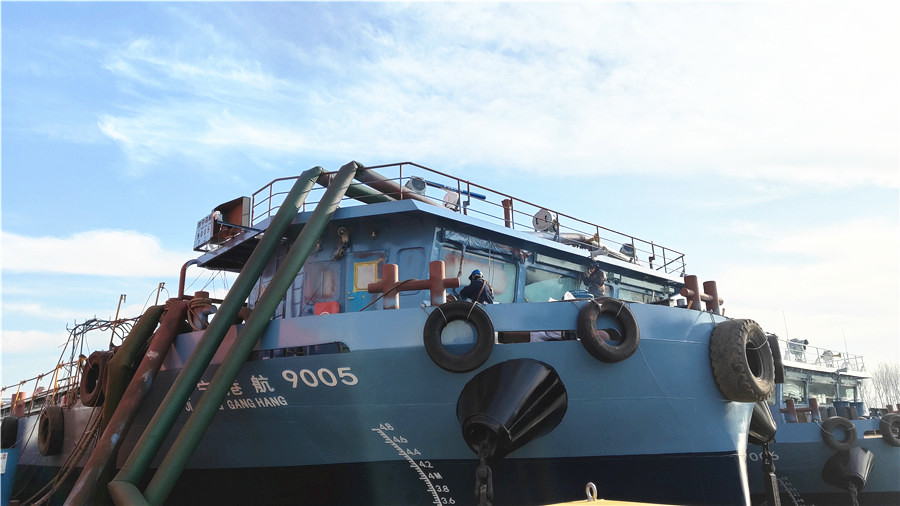
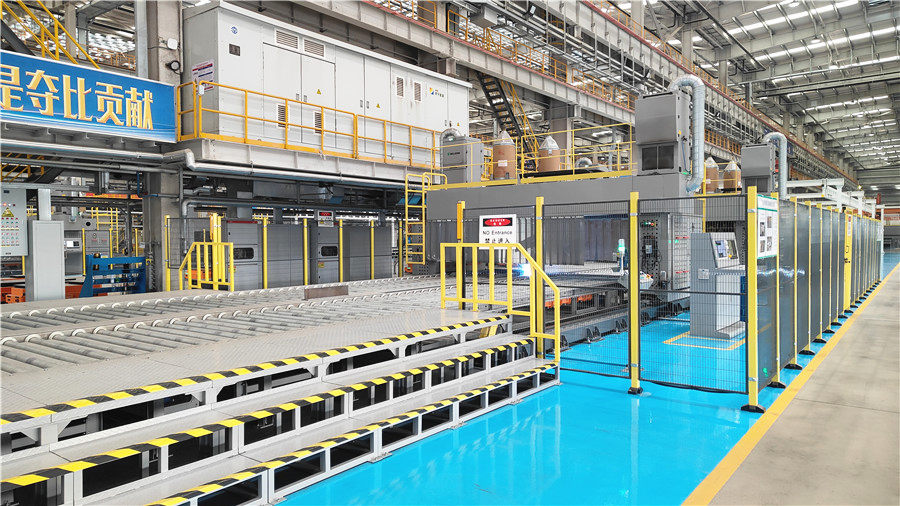
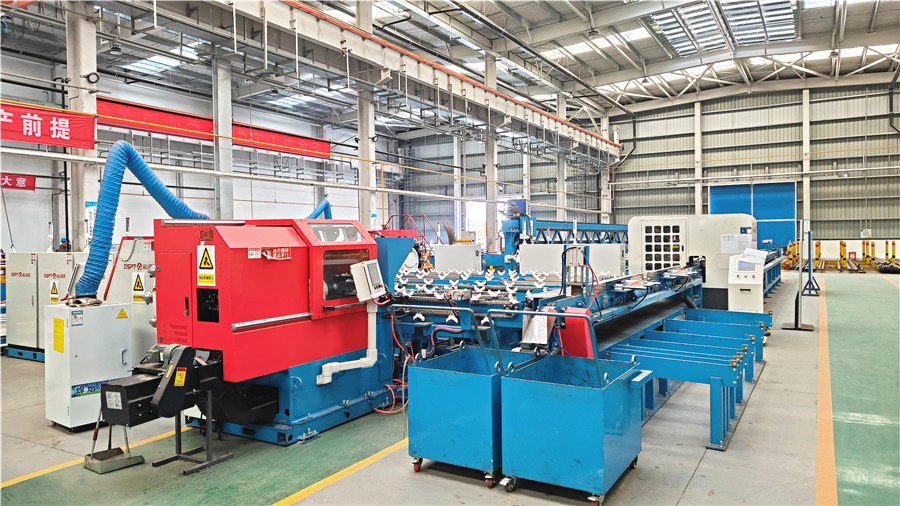
Logistical reliability in Central Europe depends heavily on complying with regulatory environments. When shipping to Hungary, businesses must navigate EU customs, local VAT compliance, and complex transit procedures. Our cross-border trucking services are built to meet these rigorous standards, ensuring smooth passage at all customs checkpoints:
The future of logistics lies in combining artificial intelligence with eco-friendly operations. As Hungary positions itself as a major hub for European EV battery manufacturing, our transport networks are incorporating advanced technologies to lower environmental impact and boost supply chain visibility.
Using predictive analytics, our dispatch system models live traffic, border waits, and weather conditions across European transit routes. This allows us to adjust paths dynamically to avoid bottlenecks. Meanwhile, IoT sensors on our shipping equipment track cargo temperature, orientation, and real-time location. This level of transparency protects high-value freight, such as advanced electronics and sensitive vehicle parts, throughout their journey.
Browse our complete selection of international shipping services. Every route is managed by logistics professionals and fully optimized for secure transcontinental transport.
Find quick answers to common questions about cross-border trucking, regulatory compliance, and ocean freight logistics between China and Hungary.
Hungary's strategic central geography and developed highway infrastructure (like the M5 and M1 motorways) connect Baltic, Adriatic, and Western European markets. This makes it an ideal point for terminal customs clearance, consolidation, and quick final-mile trucking across Europe.
Imports must follow EU regulations. Key requirements include complete MSDS sheets, ADR transport certification for drivers, proper UN classification markings, and commercial invoices that match the hazard declarations.
Transcontinental ocean transit from Chinese ports to Southern European gateways (like Koper or Rijeka) takes about 30 to 35 days. From there, cross-border trucking delivers cargo to Hungarian distribution centers within 24 to 48 hours.
Yes. We specialize in both DDU (Delivered Duty Unpaid) and DDP (Delivered Duty Paid) shipping. We handle everything from terminal clearance and local customs duties to final-mile delivery directly to your facility.
 LoJo Logistics