The Paris metropolitan region (Île-de-France) is not just a cultural epicenter; it stands as one of Europe’s most critical industrial and technology-driven export hubs. Paris acts as the core gateway for high-value industries including advanced aerospace engineering, biopharmaceuticals (such as those concentrated in the Bièvre Valley and Saclay clusters), and high-end cosmetic and perfumery manufacturing. These sectors routinely synthesize, store, and export delicate compounds, hazardous chemicals, and specialized pressurized components that fall under international Dangerous Goods (DG) classifications.
For chemical and hazardous goods manufacturers located in Paris’s suburban industrial parks (such as Roissy, Gennevilliers, and the Saint-Ouen l'Aumône industrial zones), seamless access to international markets via air cargo is not a luxury—it is an operational prerequisite. However, the transport of hazardous commodities from Paris faces unparalleled regulatory scrutiny. The local administrative regulatory body, the Direction Générale de l'Aviation Civile (DGAC), alongside Paris-Charles de Gaulle (CDG) airport operators, enforces extremely rigorous checks on Class 1 through Class 9 hazardous substances to guarantee safety across flights operating out of French airspace.
As Europe's premier cargo airport by volume, Paris-Charles de Gaulle (CDG) operates state-of-the-art specialized terminals capable of handling explosive materials, temperature-controlled toxic substances, and volatile flammable liquids. Yet, local exporters face structural challenges: complex local customs processes, the lack of centralized consolidation networks for small-to-medium hazardous material quantities, and strict requirements for certified hazardous cargo transport personnel. These factors mean exporters must partner with freight forwarders who possess deep native resources, international integration, and the exact compliance standards specified under global safety frameworks.
Full adherence to French DGAC directives and the European Agreement concerning the International Carriage of Dangerous Goods by Road (ADR).
Leveraging CDG's dedicated Class 1-9 cargo storage facilities to facilitate rapid customs release and international connection.
Real-time physical monitoring and telemetry reporting for delicate chemical shipments and high-value lithium battery cargo.
Shipping hazardous materials by air cargo requires absolute adherence to the international regulatory frameworks set by the International Air Transport Association (IATA) and the International Civil Aviation Organization (ICAO). Known globally as the IATA Dangerous Goods Regulations (DGR), these rules dictate every aspect of the transport lifecycle—from primary containment and outer packaging to marking, labeling, and documentation.
Hazardous goods are organized into nine distinct classes based on their chemical and physical properties:
Failure to declare dangerous goods or utilizing non-UN-certified packaging is a severe legal offense under French transport laws and the ICAO Annex 18. Exporters must provide accurate Safety Data Sheets (SDS), formerly known as Material Safety Data Sheets (MSDS), to secure the correct UN Number and Packing Group (I, II, or III). The packing group determines the strength of the containment required—with Packing Group I representing the highest degree of danger and requiring the most durable containment structures.
Operating a manufacturing business in Paris that serves global buyers requires a robust international partner with a vast, reliable infrastructure. Shenzhen LoJo Logistics Co., Ltd. is a leading-edge international freight forwarding company that provides comprehensive solutions for global importers and exporters. By combining local French logistics capabilities with Shenzhen LoJo Logistics’ deep industrial resources in South China, manufacturers gain an optimized end-to-end supply chain connection between key European and Asian markets.
At Shenzhen LoJo Logistics, logistics is more than just cargo transport—it is a commitment to regulatory compliance, supply chain transparency, and structural safety. For chemical and hazardous goods exporters, the company provides vital global consolidation services. This allows French manufacturers to distribute their finished products throughout Asia and South America while safely consolidating incoming raw chemical agents, electronic control components, and lithium-ion batteries from advanced manufacturing bases in China.
Standard packaging is fundamentally insufficient for high-density hazardous commodities and heavy chemical processing machinery. High-speed air flight subjects cargo to extreme pressure differentials, thermal fluctuations, and multi-axis mechanical vibration. To mitigate these risks, our engineering and consolidation division designs and fabricates heavy-duty industrial framing, containment racks, and custom crates. This ensures that even the most volatile substances remain structurally stable throughout their global journey.
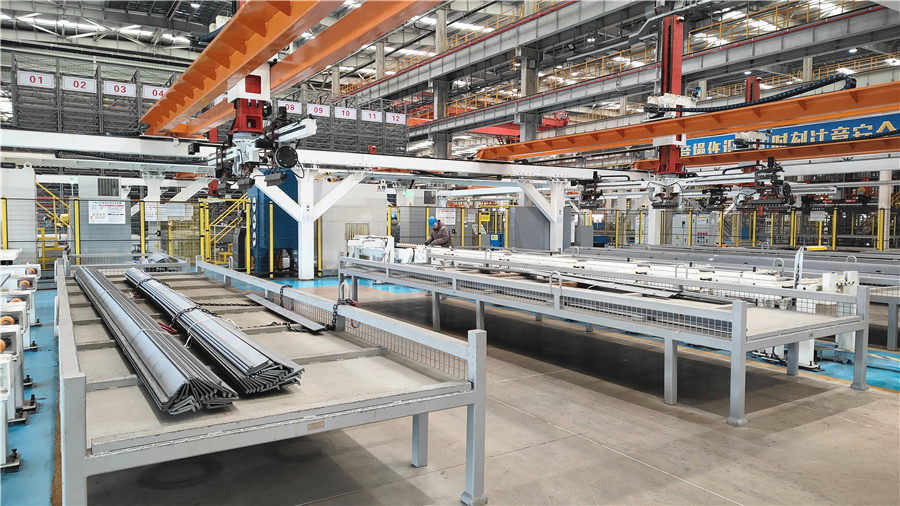
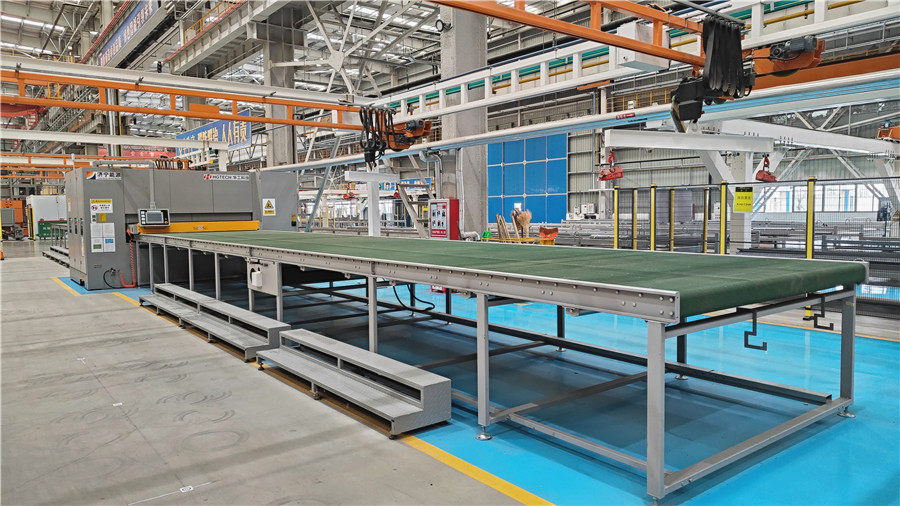
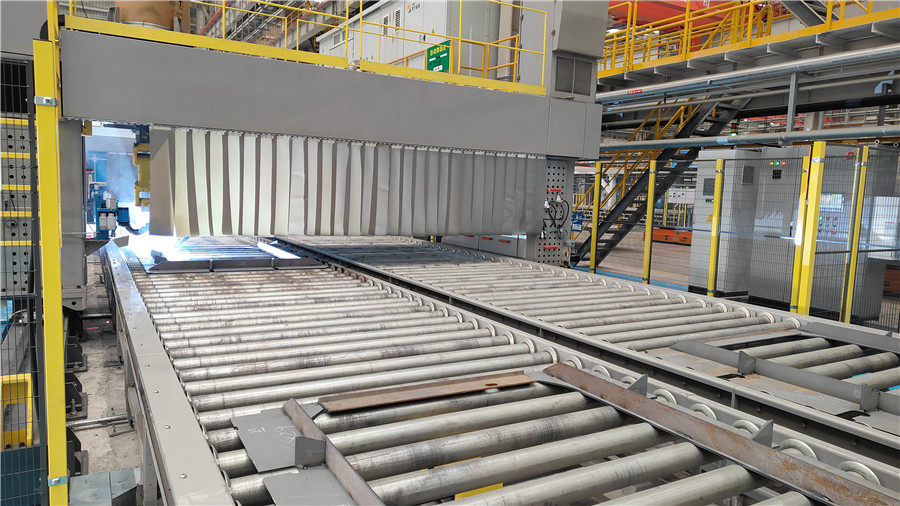
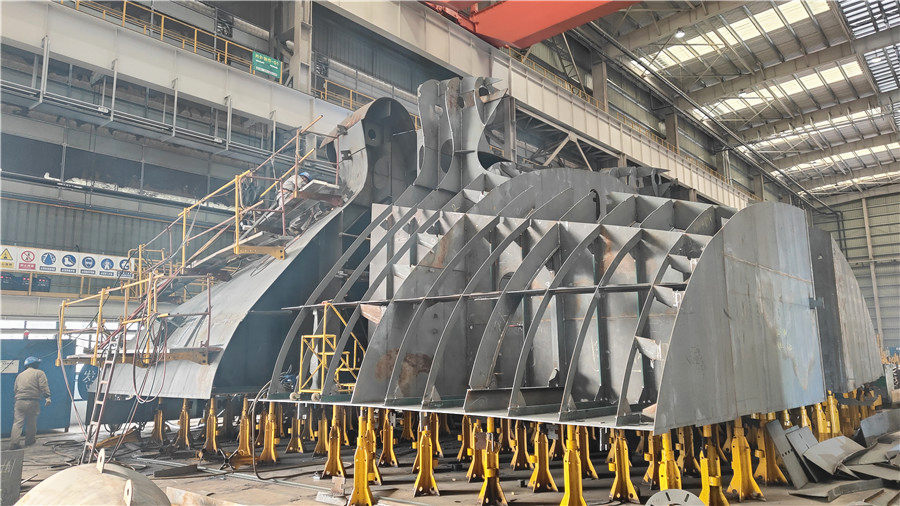
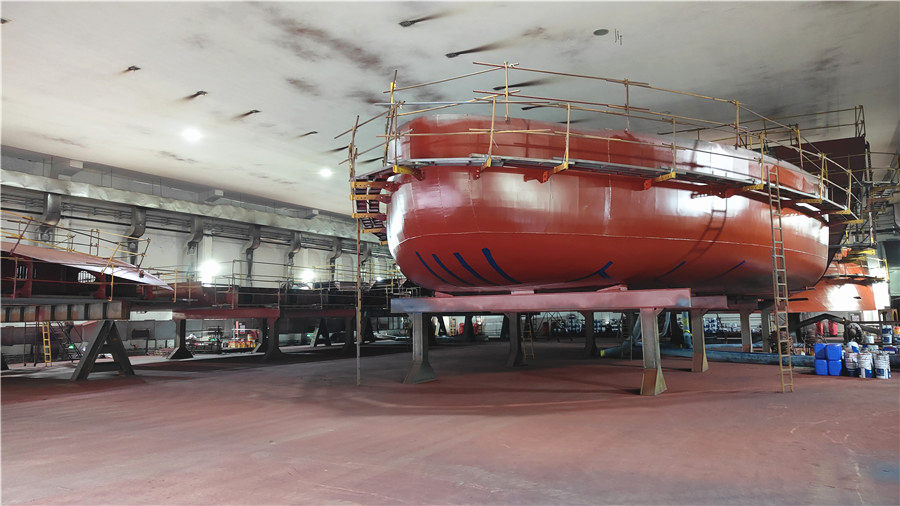
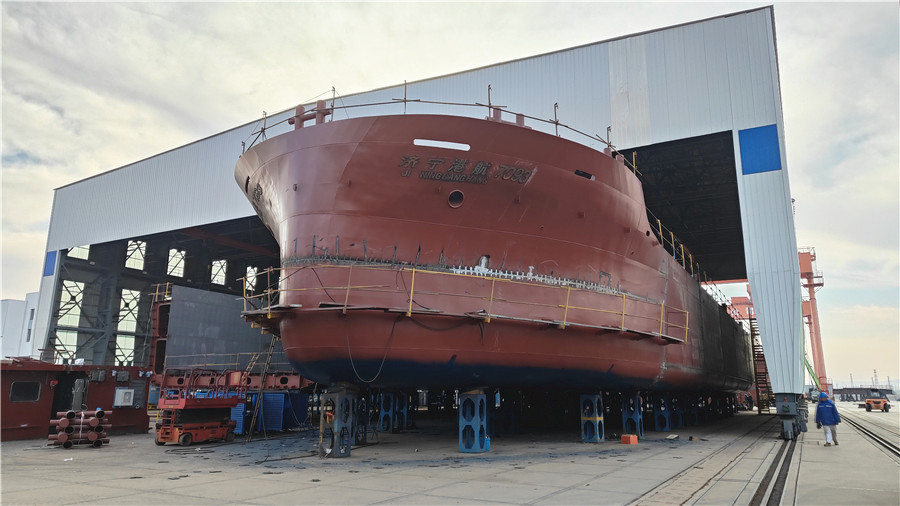
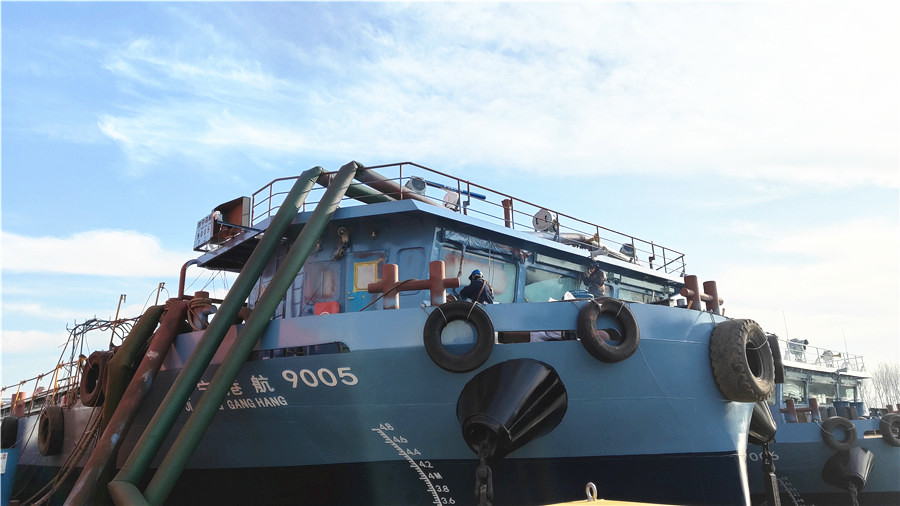
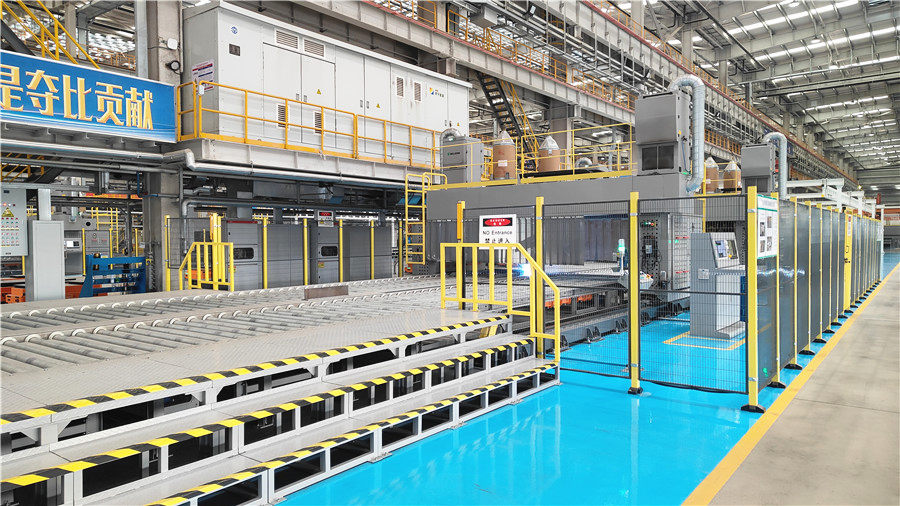
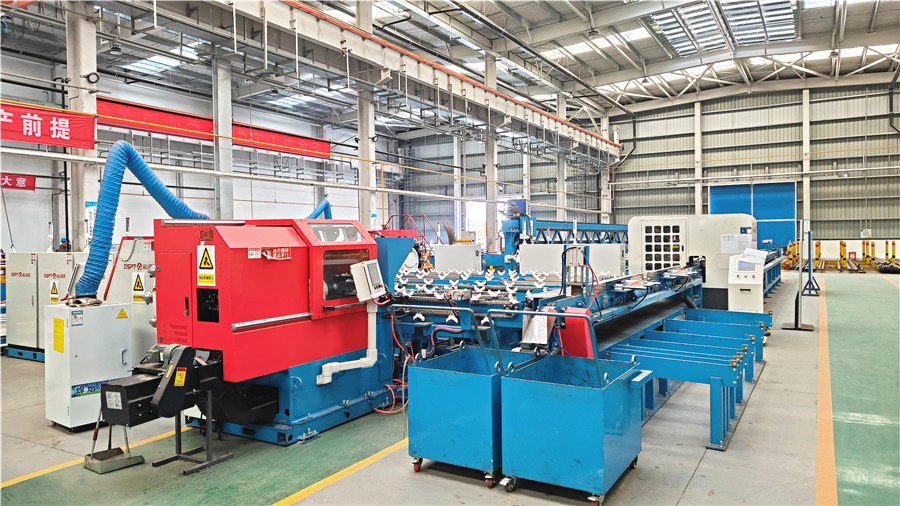
Our internal technical production lines deploy advanced metallurgy, precise mechanical engineering, and rigorous testing methodologies to fabricate custom flight-ready structures. The following section illustrates our industrial capabilities—ranging from advanced structural welding and laser-cut framing to precision polishing and complete assembly of our custom cargo containment units.
The hazardous transport sector is on the cusp of a technological revolution, driven by global sustainability goals and digital intelligence. As the Paris industrial ecosystem aligns with the European Green Deal and zero-emission logistics models, air cargo is evolving beyond standard shipping structures to adopt highly integrated, data-driven systems.
The days of passive transport tracking are coming to an end. Next-generation dangerous goods containers are embedded with active IoT sensor arrays. These compact, explosion-proof units continuously monitor and transmit vital environmental data, including internal pressure, ambient temperature, humidity, and multi-axis shock impact. If a volatile Class 5.2 organic peroxide canister begins to experience an anomalous temperature spike, local logistics control towers and cargo pilots are instantly alerted, allowing them to initiate preventative stabilization protocols before a critical thermal event occurs.
Pharmaceutical and high-tech biological materials frequently require active cooling systems during transit. Traditional dry ice methods present venting and cargo space challenges. Modern supply chains are rapidly transitioning to advanced phase-change material (PCM) technology and active, vacuum-insulated containers (VIPs). These units maintain hyper-stable micro-climates for up to 120 hours without relying on external power inputs, safeguarding critical bio-chemical assets flying out of Paris CDG.
Decarbonizing global logistics is a top priority for forward-thinking chemical exporters in Paris. Airlines operating through European hubs are steadily increasing their utilization of Sustainable Aviation Fuels (SAF), derived from non-petroleum feedstocks. By coupling eco-efficient routing configurations with SAF carbon offsets, Paris manufacturers can dramatically reduce their Scope 3 greenhouse gas emissions, satisfying both corporate ESG metrics and local environmental regulations.

 LoJo Logistics