Engineered to satisfy stringent EU Good Distribution Practice (GDP) standards for Central and Eastern European transit corridors.
An exhaustive multi-dimensional analysis of modern logistics corridors, thermodynamic validation thresholds, and infrastructural demands.
The Republic of Poland has firmly consolidated its position as the premier logistical gateway of Central and Eastern Europe (CEE). Accounting for over 25% of the total European road freight transport market, Poland acts as a critical link intersecting the West-East trade lanes and North-South economic axes. Within this complex network, the demand for temperature-controlled cold chain transport exporters has experienced exponential growth, propelled by the accelerated expansion of the pharmaceutical, biotechnology, high-end agricultural, and deep-freeze food processing industries.
Operating a cold chain pipeline into the Polish market requires strict adherence to European regulatory paradigms, notably the European Union’s Good Distribution Practice (GDP) guidelines for medicinal products for human use, alongside the rigorous parameters governed by the international ATP Agreement (Agreement on the International Carriage of Perishable Foodstuffs). Exporters must provide end-to-end hardware solutions and structural forwarding capabilities that completely neutralize ambient external temperature variations—which range drastically from sub-zero winter extremes to high summer peaks across Central Europe.
Continuous validation of environmental variables (+2°C to +8°C and +15°C to +25°C) with zero-tolerance policy regarding calibration drifting in transit.
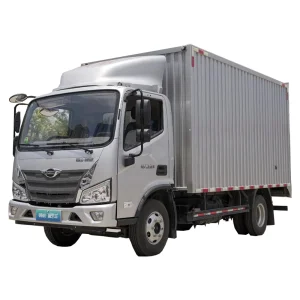
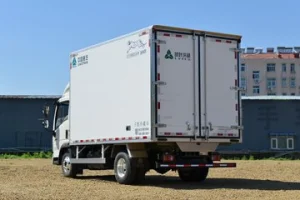
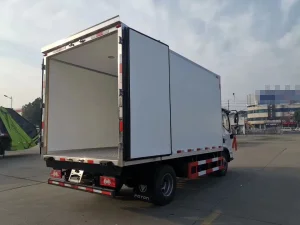
Structural body engineering featuring multi-layer polyurethane insulation compounds verified under maximum heat-transfer coefficient (K-value) assessments.
Strategic deployment through primary multimodal nodes including Warsaw, Łódź, Poznań, Wrocław, and the deepwater seaport of Gdańsk.
Furthermore, global procurement managers are increasingly prioritizing redundancy planning and absolute telemetry transparency. In historical logistics models, tracking post-factum data logs was sufficient; in modern smart-logistics models serving Poland's manufacturing and pharmaceutical epicenters, real-time cellular and satellite IoT sensors are mandated to relay continuous, minute-by-minute diagnostic matrices including relative humidity, ambient light exposure (door-opening validation), structural shock coordinates, and exact core cargo thermal metrics.
Measurable KPIs that differentiate standard freight management from elite, high-fidelity thermal supply chain operations.
| Thermal Containment Classification | Target Cargo Profile | Temperature Guard Bounds | Core Engineering Material Base |
|---|---|---|---|
| Ultra-Deep Cryogenic | Biological Vectors, mRNA Vaccine Platforms, Cell Lines | -80°C to -20°C | VIP (Vacuum Insulation Panels) + Solid Carbon Dioxide Phase Medium |
| Locked Cold Chain | Clinical Trials, Blood Fractions, Biopharmaceuticals | +2°C to +8°C | Polyurethane High-Density Matrix + Solid/Liquid PCM Cores |
| Controlled Ambient | Finished Formulations, Specialized Electronics, Fine Chemical Agents | +15°C to +25°C | Automated Active Vapor Compression + Smart Air Deflection Ducting |
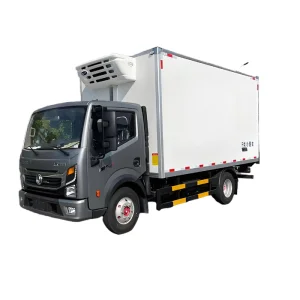
| Deep Freeze Industrial | IQF Agricultural Goods, Marine Proteins, Prepared Food Base | ≤ -18°C | Extruded Polystyrene Composites + High-Capacity Scroll Compressor Units |
Integrating state-of-the-art Chinese localized execution capabilities with highly specialized European distribution networks.
Are you still navigating the risks of catastrophic thermal breaches, unexpected custom delays, or unchecked compounding handling costs when conducting trade with China? Selecting an elite, vertically integrated logistical and manufacturing partner is the critical pivot required to secure your competitive advantage. Shenzhen LoJo Logistics Co., Ltd. stands at the cutting edge of professional international logistics engineering, deploying tailormade, end-to-end multi-modal solutions specifically calibrated for the highly demanding Polish import and export framework.
Headquartered in Shenzhen—the technology and industrial hardware capital of Southern China—LoJo Logistics integrates structural manufacturing assets with premium forwarding services. We understand that cold chain management is not merely an exercise in freight handling; it is an unyielding commitment to molecular stability, structural engineering integrity, and legal regulatory adherence. Our specialized teams oversee the entire lifecycle of the asset, from the initial raw material precision stamping to the execution of intercontinental multimodal documentation, final customs clearance inside the EU zone, and last-mile cold-room container drop-offs.
How precise automated industrial manufacturing dictates the baseline thermal isolation and structural longevity of heavy-duty cold chain assets.
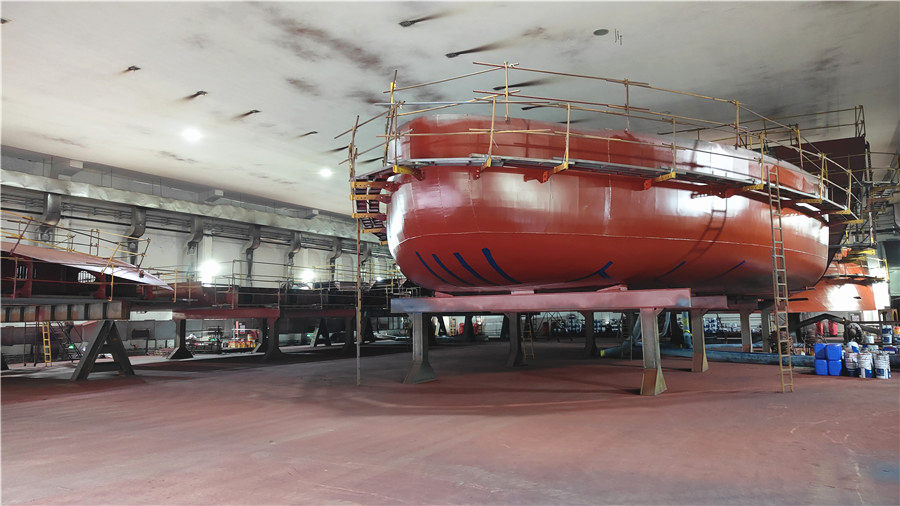
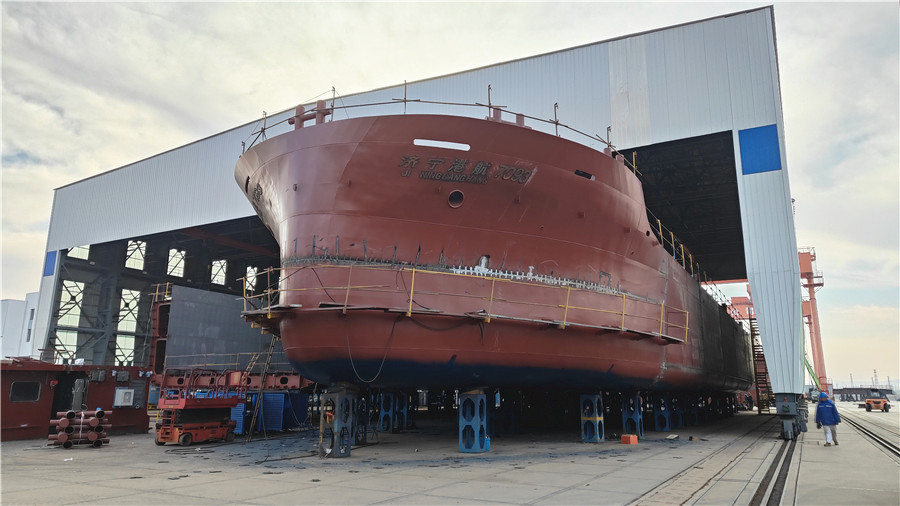
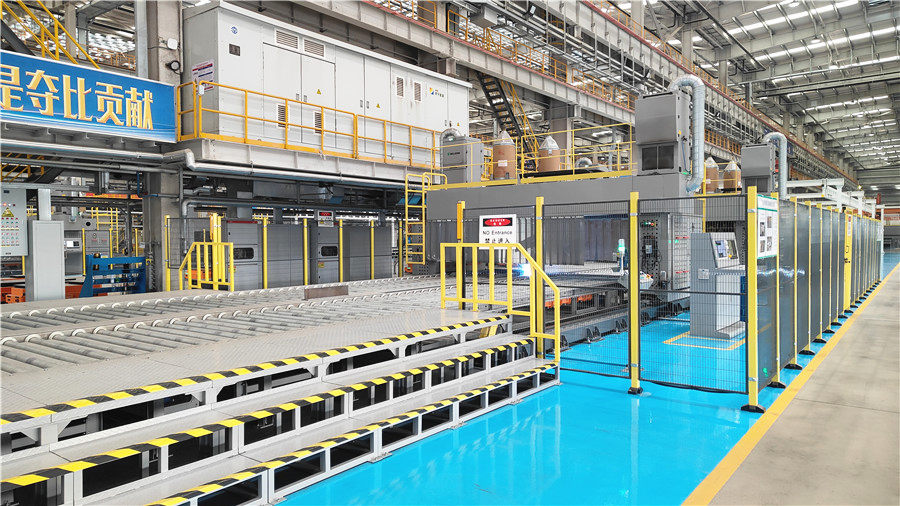
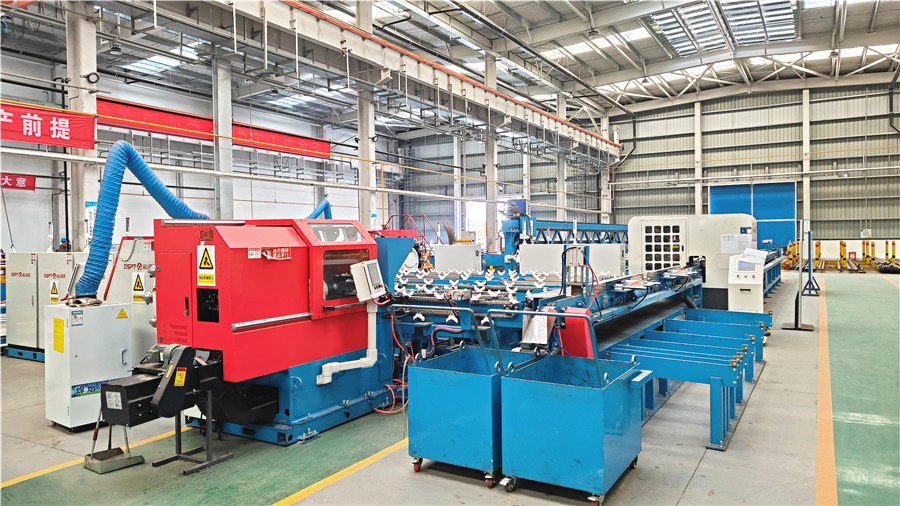
The structural excellence of a temperature-controlled transport vehicle or localized passive containment vessel is decided long before it encounters operational stress on trans-continental routes. Under our China Factory 4.0 blueprint, thermal bridges—the primary defect cause behind localized heat infiltration—are completely eliminated through automated, precision manufacturing workflows. Our state-of-the-art production floors implement advanced robotic cell arrays, computer-controlled sawing installations, and high-energy laser fusion processing lines to enforce structural tolerances measured strictly in micrometers.
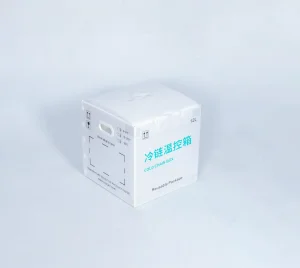
When assembling heavy-duty insulated truck reefer boxes or micro-pharma shippers, precise structural joining dictates real-world durability. Standard manual fabrication can introduce tiny gaps in the interior insulation layer, creating air pockets that cause thermal loss over time. By deploying autonomous welding machines and computer-guided structural alignment, our production systems achieve flawless seamlessness. This ensures the structural core remains tightly sealed, resisting structural delamination even when subject to continuous, high-vibration long-haul overland corridors stretching from coastal manufacturing zones to European distribution hubs.
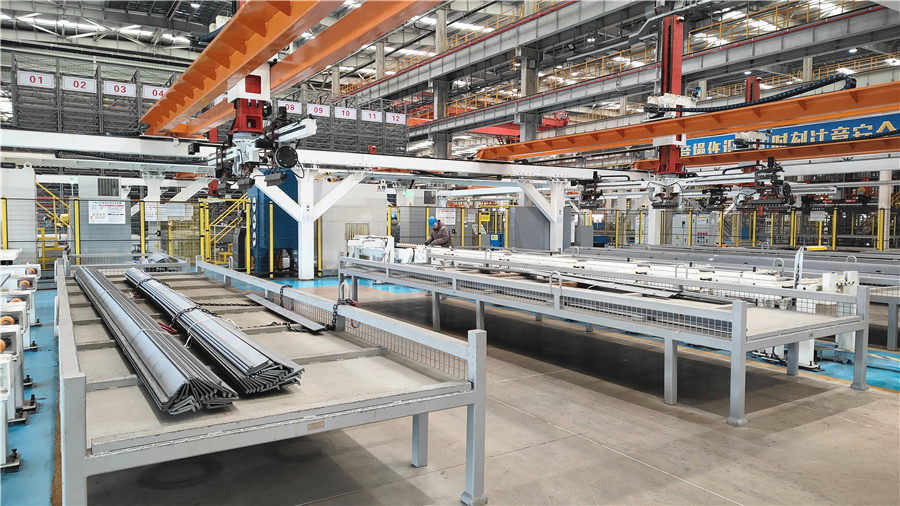
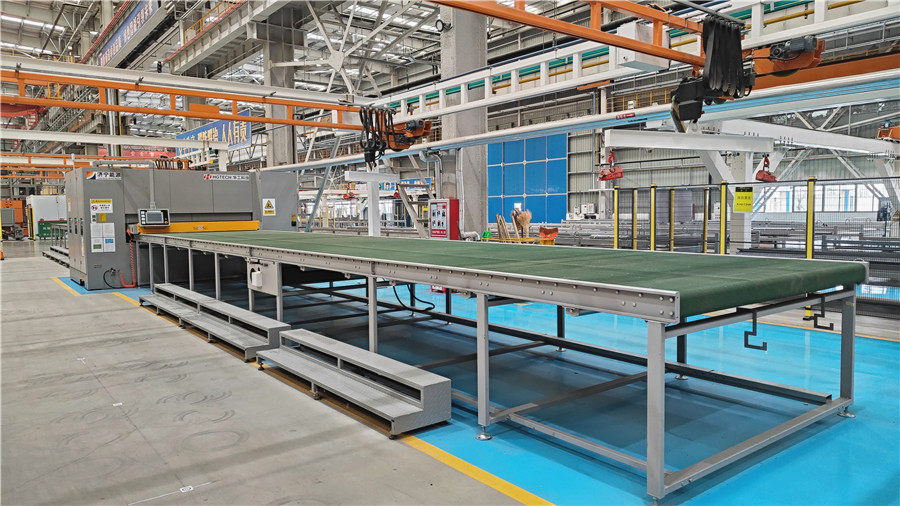
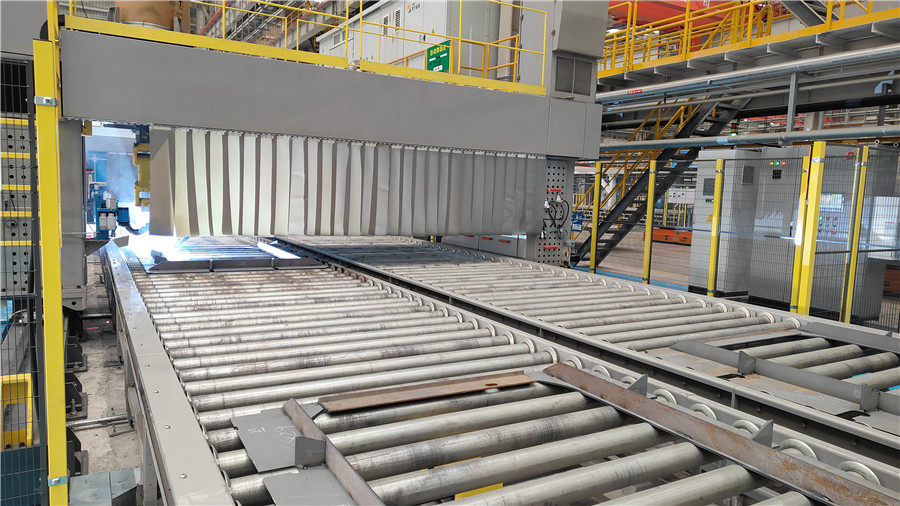
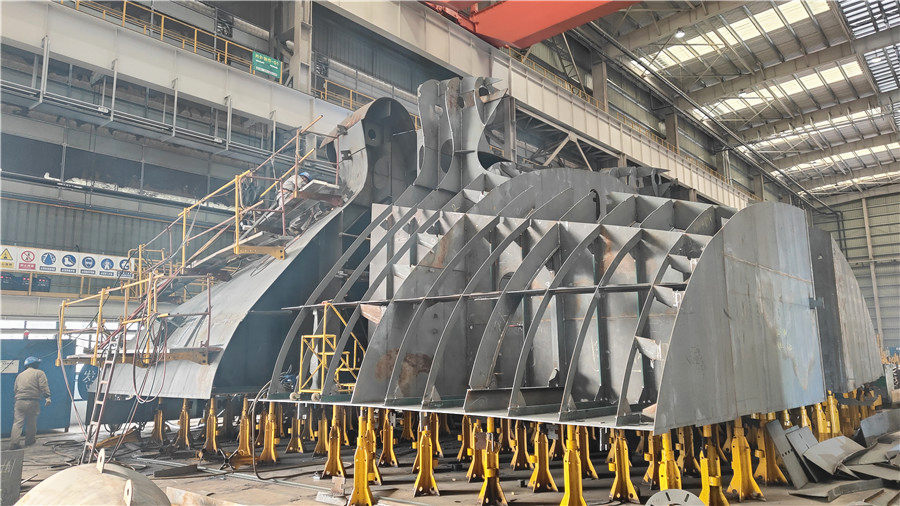
Deploying specialized temperature containment equipment to solve localized, real-world supply chain challenges.
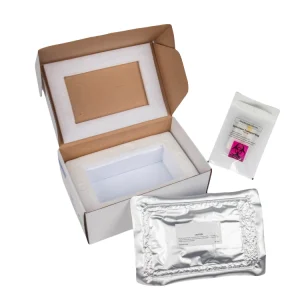
Providing seamless, fully validated logistics pipelines for the distribution of high-value clinical supplies, live biological reagents, and regional vaccine allocations. Our continuous monitoring architecture ensures absolute transparency across every kilometer of the journey, satisfying the strict documentation audits required by Polish national pharmacy inspectors.
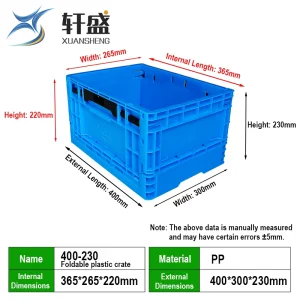
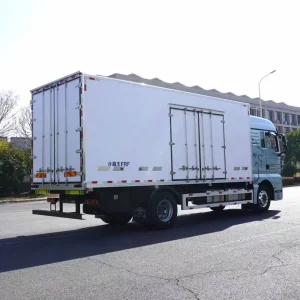
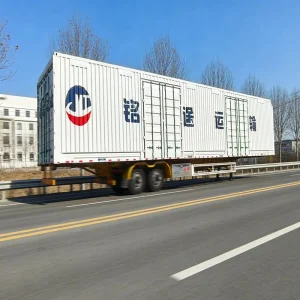
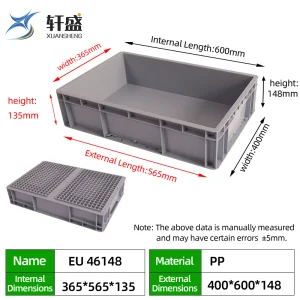
Supporting Poland's major agricultural and dairy operations in the Pomeranian and Wielkopolska regions. By using high-density insulated semi-trailers and collapsible food-grade containers, exporters can significantly minimize thermal drift while maximizing load density. This helps lower total operating overhead during extended cross-border distribution across the wider EU territory.
Select from our production-validated equipment arrays, engineered for absolute stability, structural durability, and complete regulatory compliance.
Crucial industrial knowledge resolving typical deployment roadblocks found in intercontinental cold chain operations.
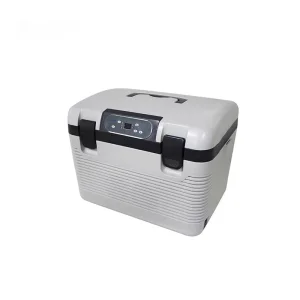
Our complete intermodal cold chain setups feature dual redundant active cooling networks paired with integrated three-point sensor arrays. This hardware architecture guarantees constant temperature maintenance across all target zones (+2°C to +8°C or +15°C to +25°C). Calibration parameters are thoroughly cross-checked against NIST-traceable reference baselines before dispatch, completely preventing the risk of systemic deviation during extended cross-border routes into Poland.
Our production lines use high-density polyurethane structures completely wrapped in vacuum-sealed insulation panels (VIP). By leveraging advanced Factory 4.0 automated milling and laser cutting systems, all structural core joints fit together with micrometric precision. This completely eliminates gaps at the joints and structural seams, reducing thermal energy transfer to a record low K-value of less than 0.18 W/m²K.
Yes. All active reefers and high-fidelity passive transport shippers come equipped with real-time 5G/LTE tracking modules. These automated sensor nodes stream critical telemetry values—including internal temperature logs, relative humidity parameters, location coordinates via GPS, and unexpected container access alerts—straight to our centralized cloud management console, providing buyers with an immutable audit trail.
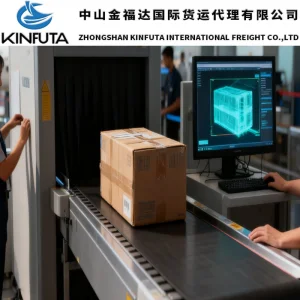
Our customs clearance specialists leverage comprehensive Authorised Economic Operator (AEO) partnerships to streamline clearance procedures across major European gateways. By organizing documentation, validating phytosanitary certificates, and mapping appropriate HS classifications prior to arrival, we minimize transit stopovers, safeguarding temperature-sensitive inventory from prolonged exposure at port terminals.
 LoJo Logistics