Direct supply paths and high-performance equipment designed to withstand equatorial humidity and thermal volatility across São Tomé and Príncipe.
Situated in the Gulf of Guinea, the volcanic archipelago nation of São Tomé and Príncipe (STP) presents distinct geographical and logistic challenges. High ambient temperatures that average between 27°C and 31°C year-round, combined with humidity profiles frequently exceeding 85%, generate massive thermal volatility. For importers, exporters, and international development agencies, the absence of reliable temperature-controlled transport infrastructure results in a critical risk of product degradation.
The economy relies heavily on delicate import-export corridors. Fisheries, specifically high-value yellowfin tuna exports, rely on unbroken sub-zero freezing chains to meet strict European Union sanitary guidelines. Concurrently, agricultural sectors exporting specialty organic cocoa and high-value vanilla require precise relative humidity control to prevent mold spore formation. On the import side, the STP Ministry of Health and international NGOs manage critical vaccine rollouts and blood plasma transportation across the deep inter-island gap between the primary hospital *Hospital Dr. Ayres de Menezes* in São Tomé and the regional medical hubs in Santo António, Príncipe.
Are you still worried about lost cargo, delayed deliveries, or rising logistics costs while expanding your international trade with China? The smart solution is choosing a reliable China freight forwarding partner.
Shenzhen LoJo Logistics Co., Ltd. is a professional international freight forwarding company dedicated to providing efficient, secure, and cost-effective logistics solutions for global importers and exporters. With years of experience in the logistics and supply chain industry, we help businesses simplify international shipping and improve transportation efficiency. We integrate, you communicate. We deliver better, so you gain more.
Regular schedules and refrigerated container space allocations to West African ports, securing consistent shipping rates.
Express cool-chain air routes connecting China's main cargo centers directly to São Tomé International Airport (TMS).
Seamless warehousing, labeling, and direct-to-market drop shipping services optimized for regional distribution.
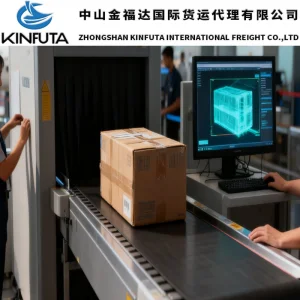
Comprehensive customs clearance management at borders, avoiding dangerous delays in tropical conditions.
To operate reliably in the extreme climates of São Tomé and Príncipe, equipment must meet strict technical parameters. Below is a target specification matrix for cold chain hardware manufactured and shipped through our networks:
| Equipment Type | Ideal Temp Range | Insulation Thickness & Tech | Primary Application in São Tomé |
|---|---|---|---|
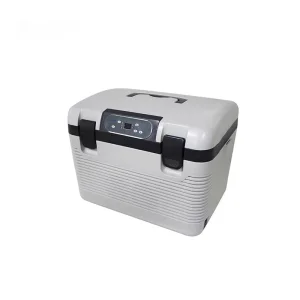
| Medical Cooler Boxes | 2°C to 8°C / -20°C | 100mm PU Foam / Phase Change Materials | Vaccine distribution to remote clinics in Neves & Porto Alegre |
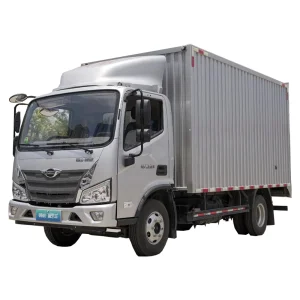
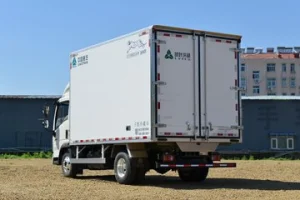
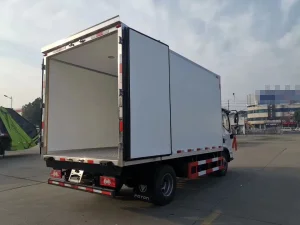
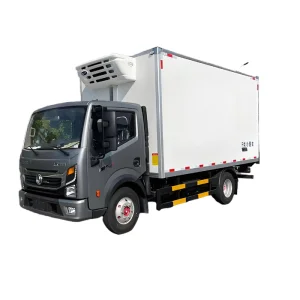
| Urban Refrigerated Trucks | -18°C to 15°C | High-Density Polyurethane Panels with FRP skin | Last-mile seafood transport and fresh retail distribution |
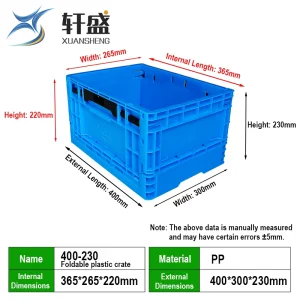
| Collapsible Cold Containers | -25°C to 10°C | Vacuum Insulated Panels (VIP) | Inter-island sea freight between São Tomé and Santo António |
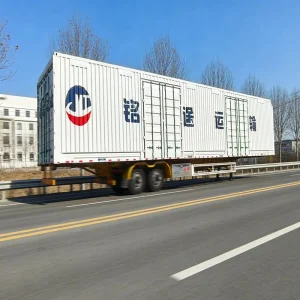
| Heavy-Duty Reefer Trailers | -30°C to 20°C | 120mm Multi-layer Thermal Isolation Panels | Bulk seafood export logistics and wholesale import storage |
Every cold chain vehicle and active/passive cooling unit sourced through our global logistics pipeline complies with World Health Organization (WHO) PQS guidelines, CE product safety benchmarks, and GDP (Good Distribution Practice) guidelines for pharmaceutical distribution. High-performance, eco-friendly refrigerants like R448A and R449A are prioritized to guarantee lower Global Warming Potential (GWP) and high thermodynamic efficiency under prolonged operating stresses.
Our manufacturing and logistical workflows are grounded in advanced robotics and precision engineering. Below is the step-by-step structural pipeline showing how our heavy cold chain chassis, reefer boxes, and logistics hardware are built for maximum integrity.
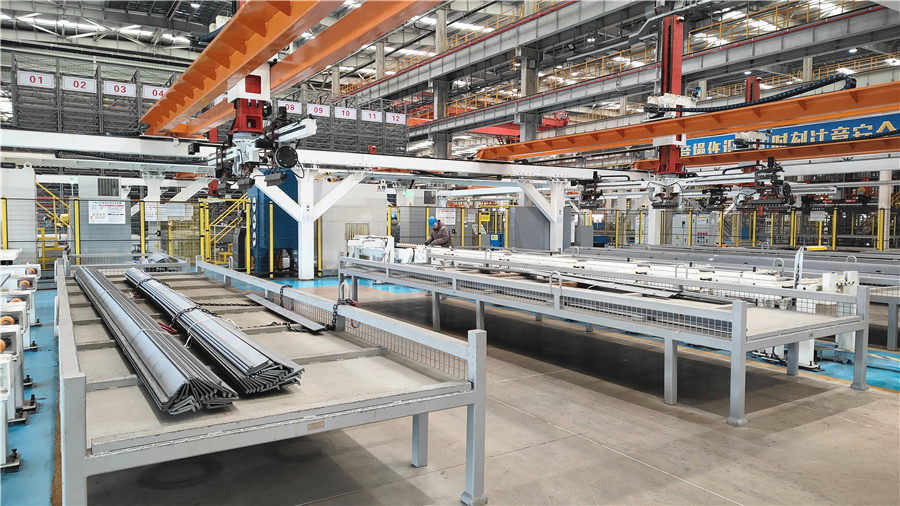
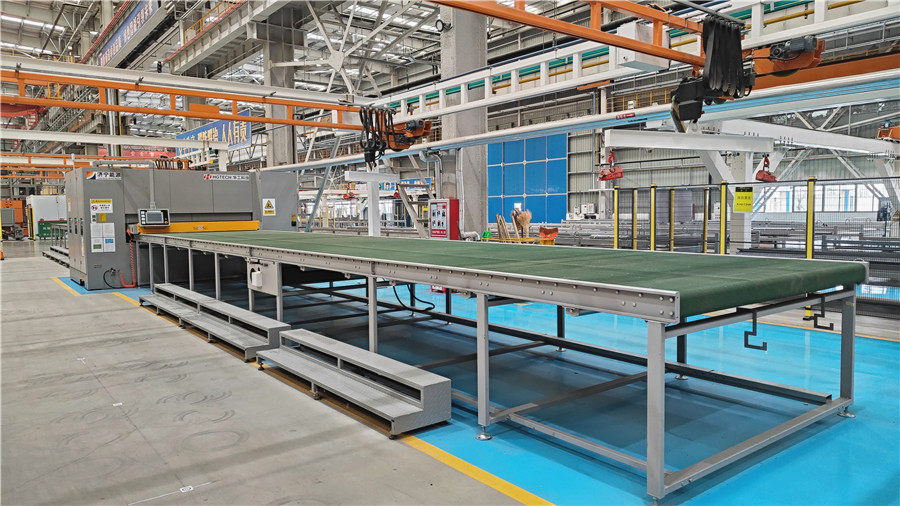
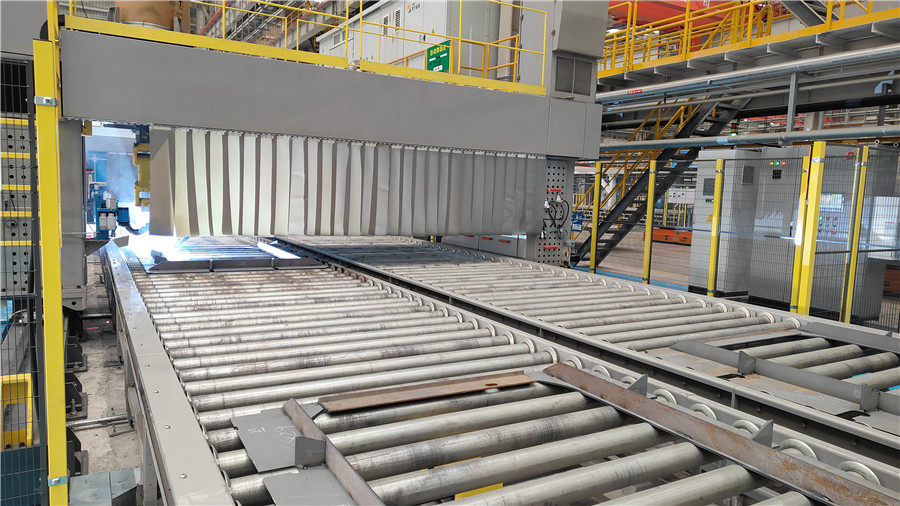
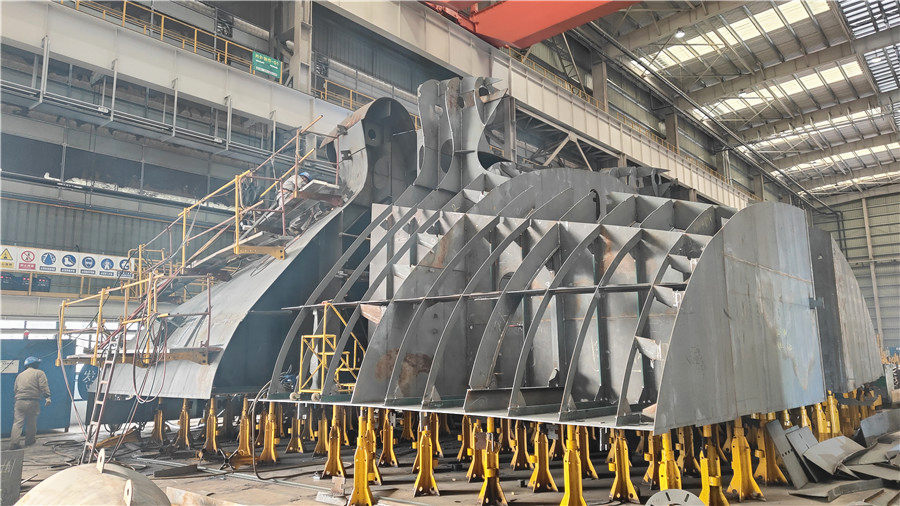
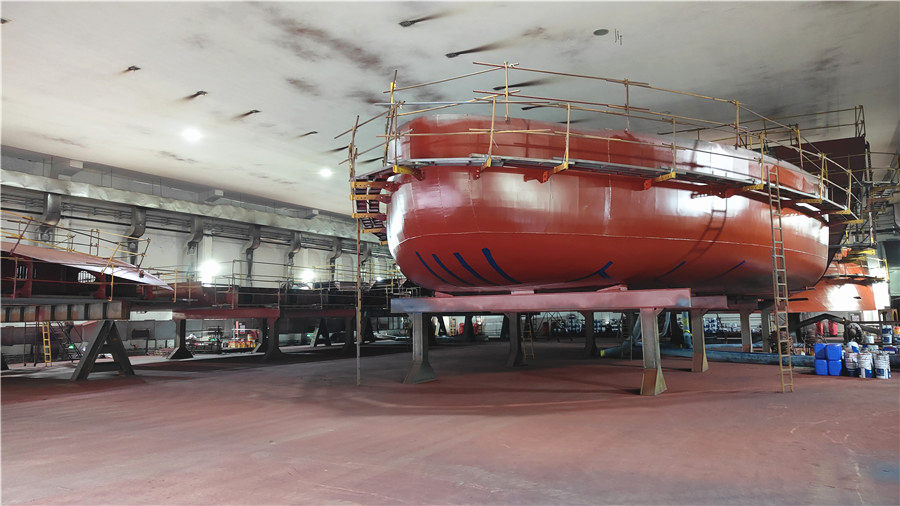
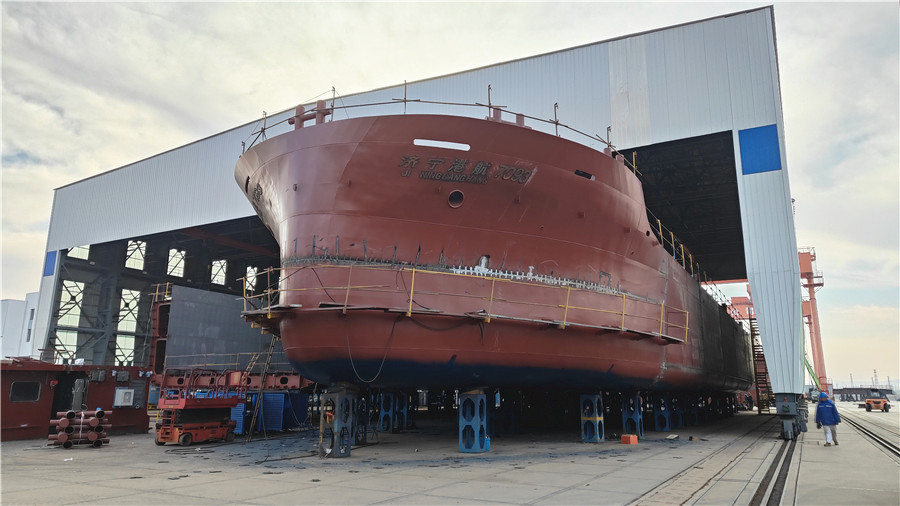
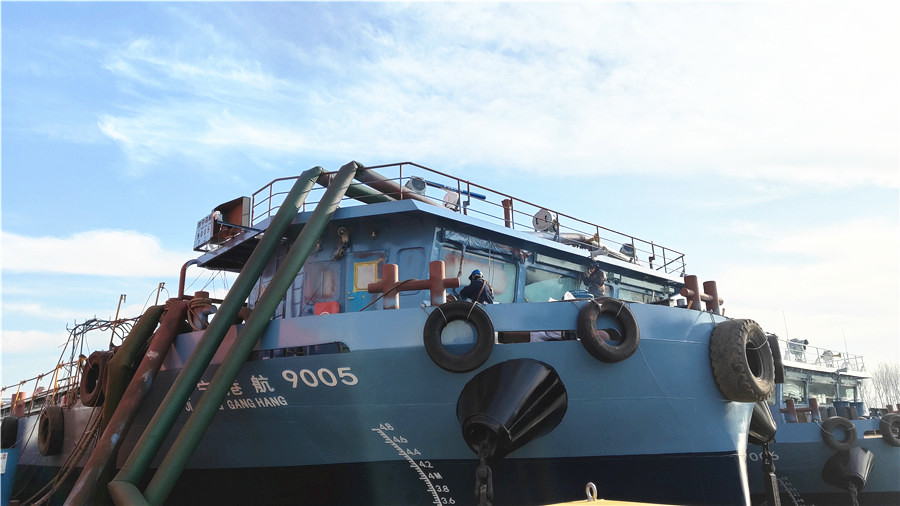
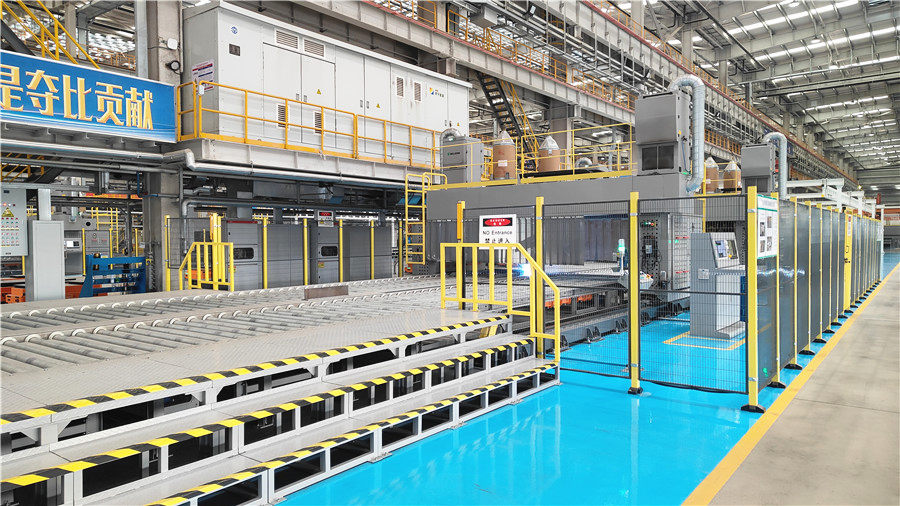
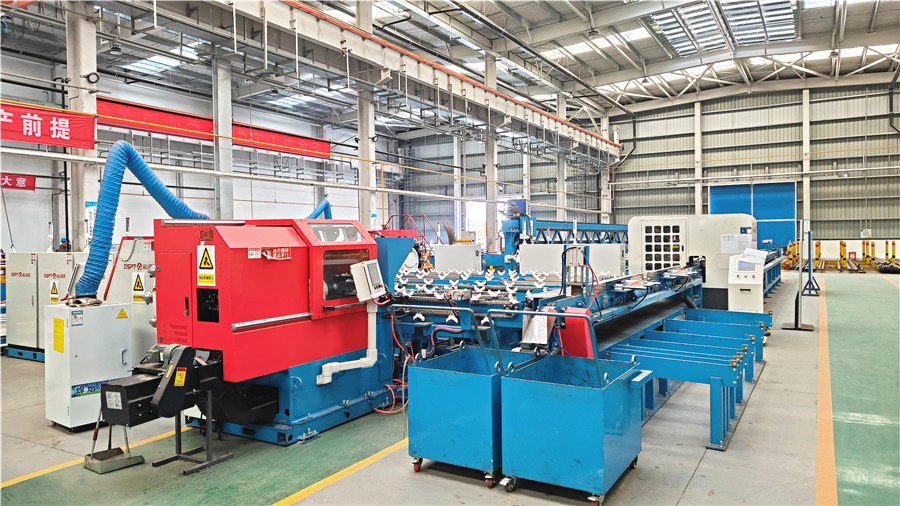
Precision machining ensures hermetically sealed joints for refrigerated container piping and structure, crucial for retaining cooling agents and preventing vacuum leaks in coastal transport routes.
High-end freight forwarding routes and passive cooling units designed to maintain internal environments without constant external energy inputs.


As international supply networks transition toward zero-emission targets, cold chain operations must co-evolve. In island regions like São Tomé and Príncipe, where diesel fuel represents a significant recurring expense and power grids face regional supply interruptions, active development is shifting toward solar-supported, passive cold chain configurations.
This technical shift minimizes spoilage and decreases overall operating overhead. Working alongside Shenzhen LoJo Logistics, regional businesses can source custom-built refrigerated vehicle cabins engineered to handle coastal salinity while deploying smart-tracking systems to monitor delicate cargo throughout its journey.
Our heavy-duty vehicle and box configurations provide long-term cold preservation across municipal and rural distribution networks in São Tomé and Príncipe.

Clear answers to technical, regulatory, and logistics questions about managing cold chain equipment imports and operations in the region.
Whether you are establishing a regional medical supply network, upgrading an agricultural export business, or importing heavy duty reefer trucks, our team offers end-to-end support for the São Tomé and Príncipe market.
 LoJo Logistics