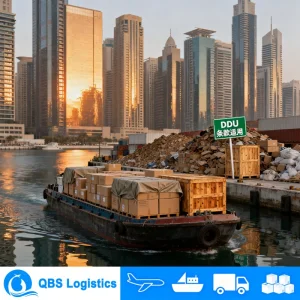
Premium supply chain options for global shippers, bridging the gap between direct factory production and optimized international forwarding networks.
Today's cross-border commercial and industrial ecosystems operate under historically unprecedented volatile dynamics. Global supply chain strategies have advanced beyond simple cost reduction. International enterprises now prioritize resilience, elasticity, and total operational security over marginal unit-cost savings. The integration of China's premier manufacturing nodes with highly sophisticated Freight Network Expansion (FNE) setups forms the backbone of modern global trade.
As advanced logistics networks expand, they are no longer just transportation channels. They act as strategic corridors of information, value, and physical flow. High-value engineering goods, renewable energy systems like LiFePO4 batteries, and complex temperature-controlled pharmaceuticals require a highly secure, reliable, and integrated supply network. Working with forwarders like Shenzhen LoJo Logistics Co., Ltd. allows enterprises to combine manufacturing precision with resilient, end-to-end transport systems.
Dynamic routing protocols adjust for geopolitical anomalies, climate events, and localized customs clearance regulations in real time.
Direct ownership and strategic partnerships with dry ports, deep-water ocean terminals, and high-frequency air charters.
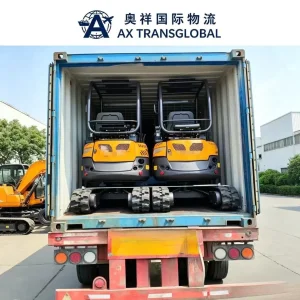
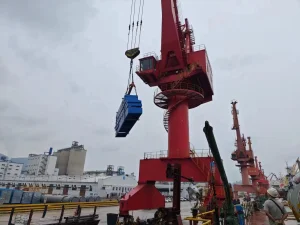
Providing information gain: High-performance freight operations rely on advanced industrial manufacturing and robust logistics hardware. Explore the physical processing steps behind our equipment and transport vehicles.
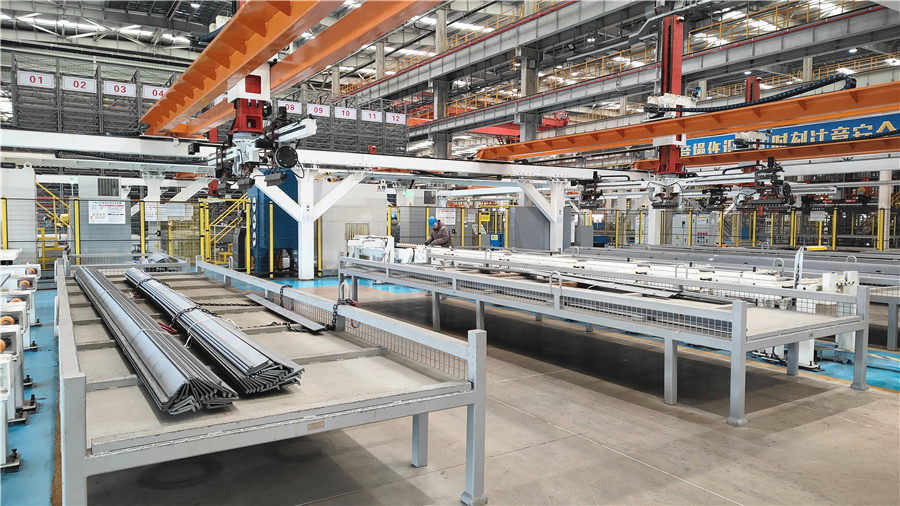
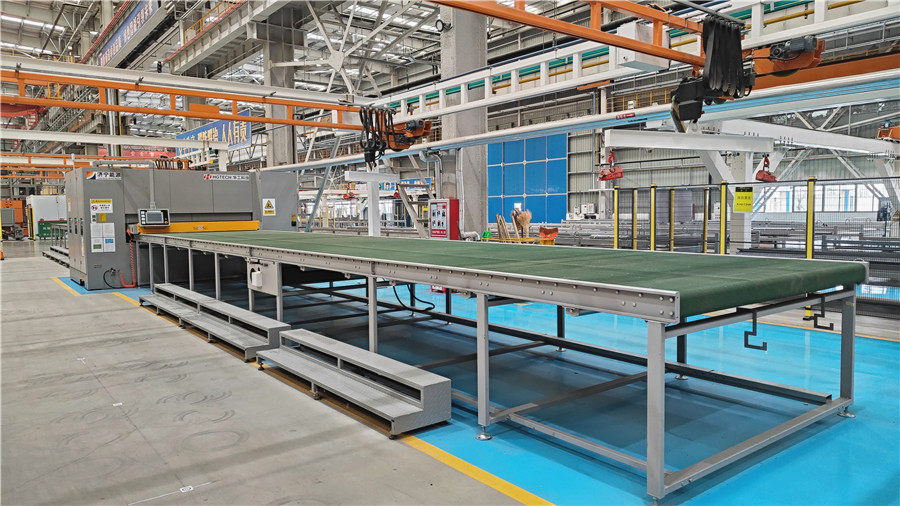
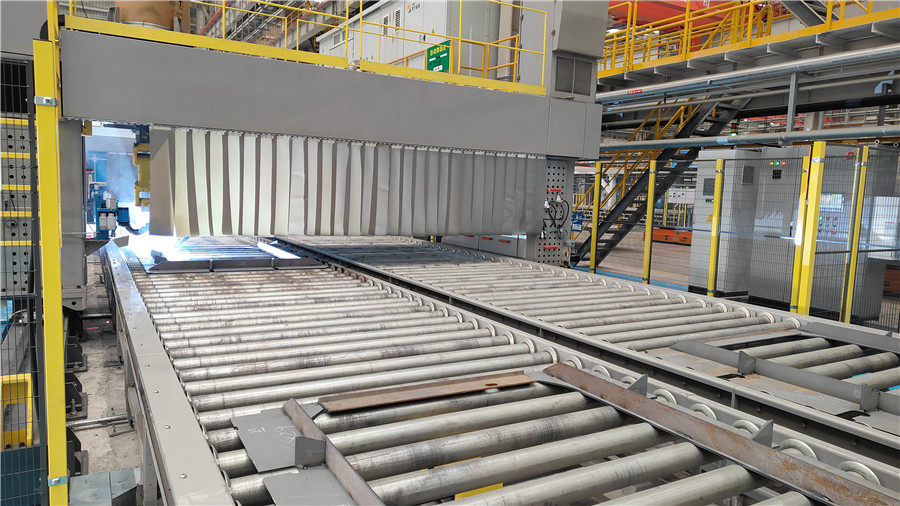
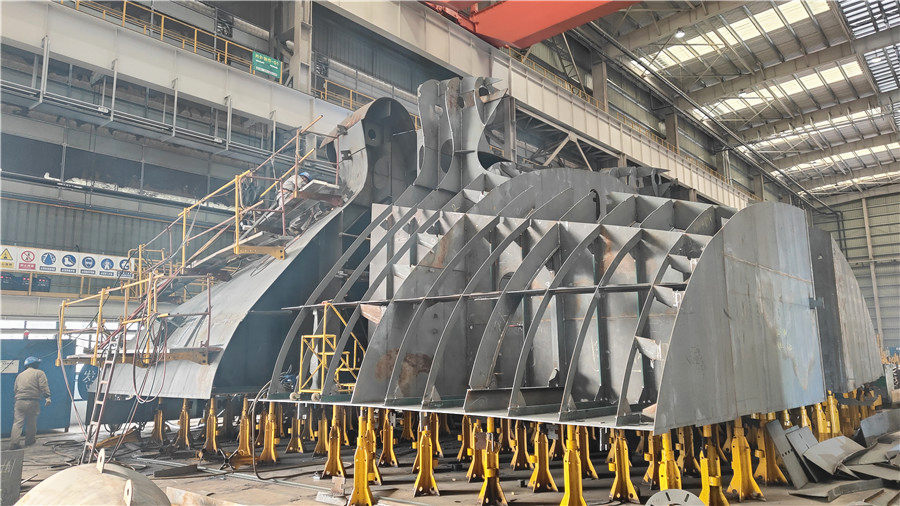
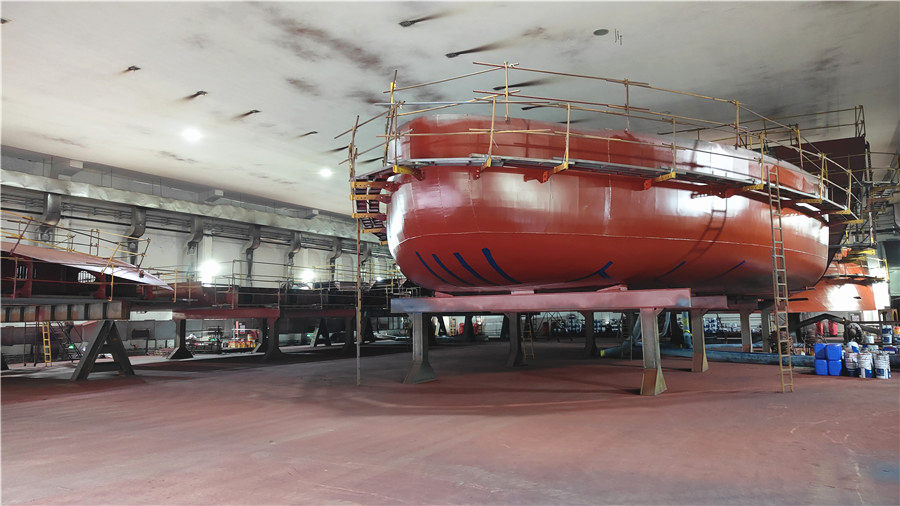
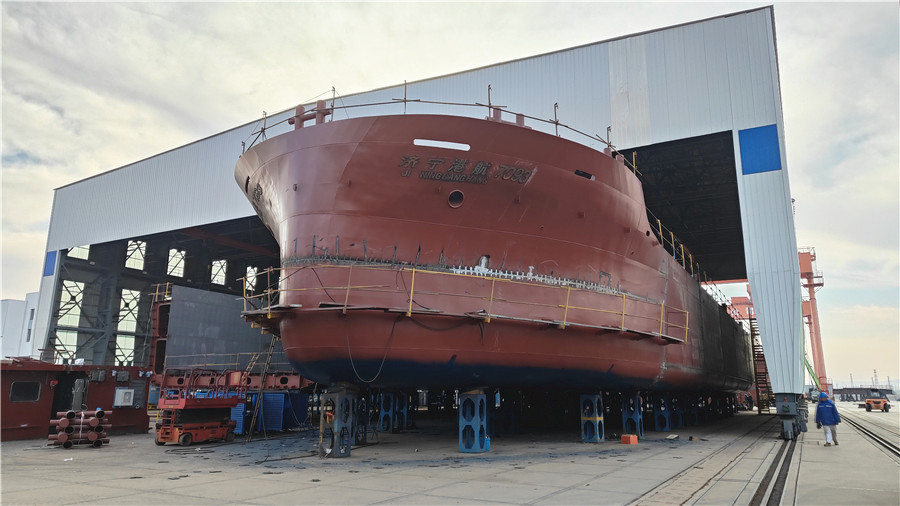
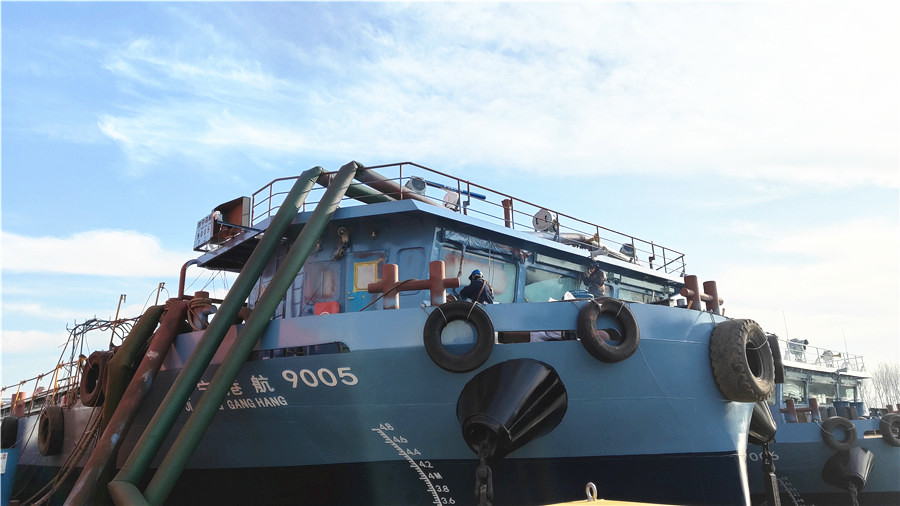
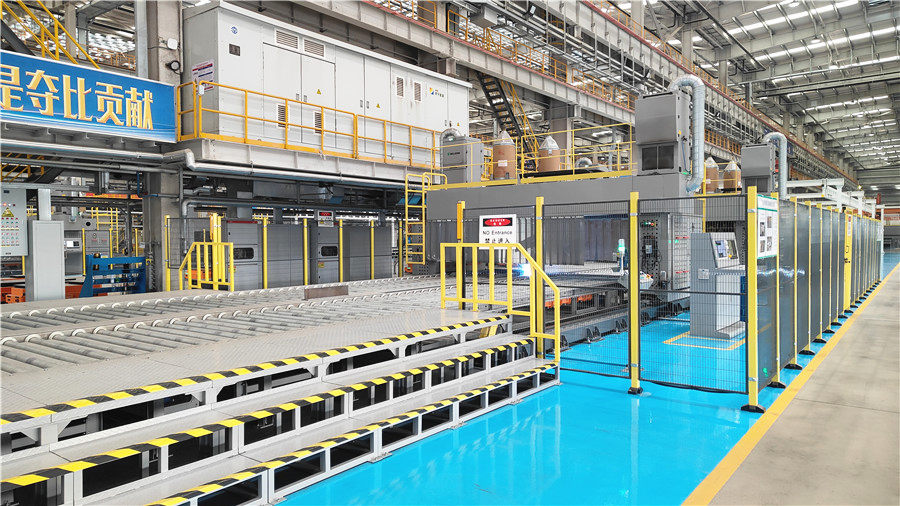
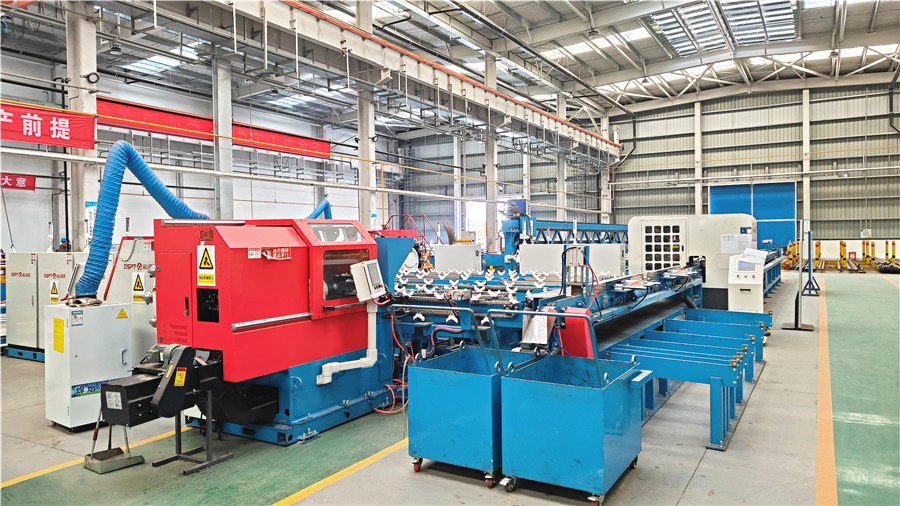
Freight Network Expansion (FNE) is more than just shipping cargo; it is the process of integrating domestic logistical hubs directly with localized last-mile networks in destination countries. By using optimized DDP (Delivered Duty Paid) schemes, dangerous goods handling protocols, and temperature-controlled cold chain logistics, importers can bypass traditional supply bottlenecks and secure direct-to-destination transport.
Setting up localized customs clearance structures to process and clear import documentation prior to cargo arrival, ensuring smooth transit from major ports directly to destination warehouses.
Deploying specialized transportation, such as refrigerated trucks and high-precision monitoring for hazardous goods (like solar storage batteries and energy storage equipment).
Coordinating sea, air, rail, and over-the-road trucking under one centralized control system, eliminating delays at major transit stations.
The future of global freight networks lies in automated visibility, predictive routing, and sustainable decarbonized transport systems. Over the next five years, the industry will transition to real-time IoT cargo tracking and AI-driven carbon-optimized multi-modal systems.
With global supply chain networks becoming more complex, shippers require complete, end-to-end transparency. Real-time updates on ambient temperature, tilt, shocks, and GPS coordinates will become standard for high-value logistics, such as shipping medical equipment or heavy industrial components.
Shenzhen LoJo Logistics is at the forefront of this digital shift. We build flexible API systems that connect directly with global ERP platforms, providing enterprise customers with instant tracking, predictive delays, and automated customs status updates.
A trusted global logistics partner in China, providing efficient, secure, and cost-effective multi-modal forwarding and customs management solutions.
Are you concerned about cargo loss, delayed deliveries, or unpredictable freight costs when importing from China? Shenzhen LoJo Logistics Co., Ltd. is a licensed, professional international freight forwarder. We provide end-to-end cargo logistics, customs brokerage, and supply chain management for global businesses of all sizes.
Based in Shenzhen, a leading manufacturing and shipping hub in China, we manage logistics networks across major ports, including Shanghai, Guangzhou, Ningbo, Tianjin, and Qingdao. We maintain close, direct relationships with key airlines, ocean carriers, customs agencies, and inland trucking fleets. This network enables us to offer competitive rates and secure space allocations even during peak shipping seasons.
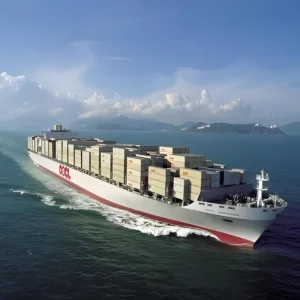
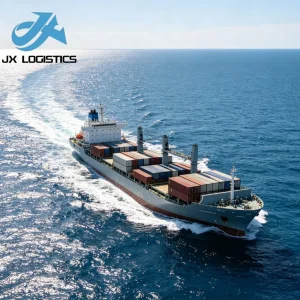
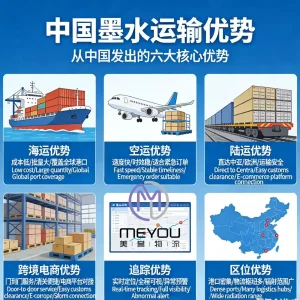
High-volume cargo shipping via strategic ocean routes, utilizing specialized containers, reefers, and flat racks for heavy-duty industrial machinery.
Time-critical shipping via direct air cargo routes from major domestic hubs to international destinations, including London, Frankfurt, and Los Angeles.
Cost-effective overland container transport across Central Asia, Europe, and Southeast Asia, offering a reliable alternative to traditional sea shipping.
Comprehensive customs brokerage services, tax filings, and duty-paid door-to-door deliveries, designed to minimize delays at international borders.
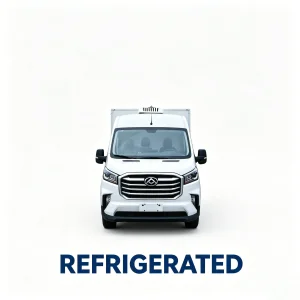
Temperature-controlled transport solutions for fresh foods, chemicals, and pharmaceuticals, supported by high-performance refrigerated equipment.
Integrated warehousing, cargo inspection, palletizing, and fulfillment services designed to meet Amazon's strict compliance standards.
Modern supply chains are vulnerable to geopolitical shifts, tariff revisions, and localized labor shortages. To navigate these complexities, shippers must focus on supply chain resilience. This requires building redundancy into shipping routes, keeping safety stock in regional warehouses, and using advanced, real-time tracking systems.
By working with experienced manufacturers and logistics partners, importers can reduce the risks of volatile transit times and rising container costs. For high-value or hazardous shipments, such as large lithium-ion battery packs or delicate scientific instruments, specialized handling and regulatory expertise are essential to prevent costly transit delays.
Understanding and complying with international customs regulations, import tariffs, and safety standards is critical. Non-compliance can lead to severe fines, cargo seizures, and operational downtime. Whether you are shipping general cargo or specialized equipment, working with a partner who understands local custom policies is essential.
We work to ensure all shipments are fully documented, properly classified, and compliant with destination-country standards, including FDA, CE, UL, and localized tax systems like EU VAT. Our focus is on providing reliable customs clearance, duty-paid forwarding (DDP), and secure handling for every cargo type.
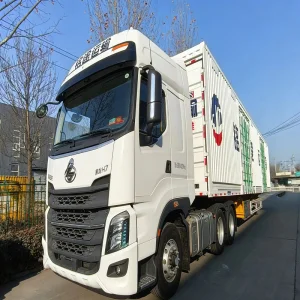
Explore our range of physical transport solutions, refrigerated trailers, cold chain components, and dedicated customs clearance services.
Explore answers to common questions about international shipping, customs processes, and logistics management.
These terms define who is responsible for costs and risks during transit. Under FOB (Free On Board), the seller delivers goods to the port of origin, and the buyer assumes all costs and risks from that point. DDU (Delivered Duty Unpaid) means the seller delivers to the destination, but the buyer is responsible for import clearance and duties. Under DDP (Delivered Duty Paid), the seller handles all transportation, customs clearance, and import duties, delivering the goods directly to the buyer's warehouse with minimal hassle.
Delicate instruments require specialized handling, shock-absorbent packaging, and temperature-controlled shipping environments. Dangerous goods, including lithium batteries (like LiFePO4 chemistry), must follow international maritime (IMDG) and aviation (IATA) hazard regulations. These shipments require certified packaging, accurate classification, and correct labeling to ensure safety and prevent delays.
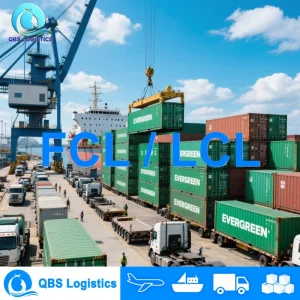
Ocean shipping remains the most cost-effective solution for transporting large, heavy, or bulk cargo long distances. While air cargo is faster, it is significantly more expensive. Ocean transport offers options for Full Container Load (FCL) or Less than Container Load (LCL) shipping, providing flexibility and efficiency for various shipment sizes.
Cold chain logistics relies on insulated, refrigerated containers (reefers) and trailers equipped with temperature monitoring systems. This equipment maintains a consistent climate for perishable goods, chemicals, and pharmaceuticals throughout their journey. Real-time temperature sensors help alert operators to any fluctuations, ensuring product safety and quality upon arrival.
Transit times vary based on the shipping method and destination. Air freight generally takes 3 to 7 business days, including customs processing. Ocean freight typically ranges from 20 to 45 days, depending on whether it is bound for the US West Coast, East Coast, or European ports. Overland rail shipping via the Silk Road offers a middle ground, taking about 15 to 22 days.
During high-demand seasons, port congestion and limited container space are common issues. We work to secure space allocations with carriers early, utilize multiple shipping routes, and optimize customs processes. By offering flexible multi-modal options, we help ensure your cargo continues moving efficiently throughout the year.
 LoJo Logistics