Explore our primary industrial hardware, smart containers, and specialized global transportation solutions optimized for high-performance supply chains.
In the modern era of globalization, the international logistics and supply chain sectors are transitioning from labor-intensive models to technology-driven networks. High-precision industries, including pharmaceuticals, aerospace, heavy manufacturing, and cross-border e-commerce, require cargo handling methodologies that guarantee absolute safety, thermal continuity, and structural security. As supply chains lengthen, global exporters face unprecedented variables—geopolitical shifts, customs regulations, container shortages, and extreme temperature fluctuations.
China has emerged not only as the "world's factory" but as a major incubator for Logistics Technology Solutions. Modern exporting goes beyond shipping freight; it entails providing the hardware, specialized telemetry, packaging solutions, and digital coordination interfaces required to move cargo without friction. By exporting intelligent cargo systems, cold chain thermal shippers, and high-durability infrastructure components, China is reshaping global commercial flows, ensuring that high-value cargo remains secure from the factory floor to the final consumer.
From a micro perspective, the logistics technology category spans thermal packaging designed to protect life-saving biological products to robust pneumatic pipelines configured for heavy automotive breaking systems. To meet these international requirements, modern freight forwarders like Shenzhen LoJo Logistics Co., Ltd. act as system integrators. They bridge the gap between heavy physical assets and digital platforms, enabling seamless execution of specialized cargo operations worldwide.
To maintain competitiveness, logistics operations must offer tailored vertical solutions. Standardized freight shipping is no longer sufficient for complex, high-value components. Specialized industries require engineered solutions that mitigate physical risks and administrative bottlenecks during international transit.
Vaccines, blood products, and live biological reagents require strict temperature control during transport. Fluctuations outside the designated range (e.g., 2°C to 8°C or deep frozen) can render pharmaceuticals ineffective. Modern exporters utilize reusable vacuum-insulated panels (VIP) paired with phase-change materials (PCM) to maintain strict thermal parameters for over 120 hours without external power. These solutions prevent thermal degradation during complex intermodal transfers at global hubs.
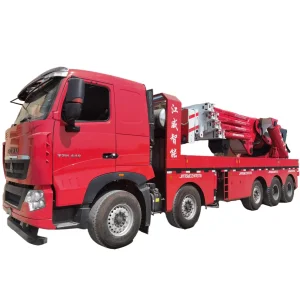
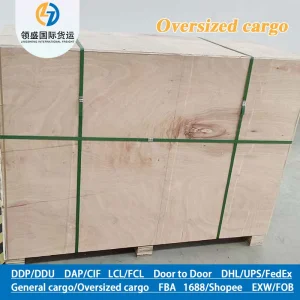
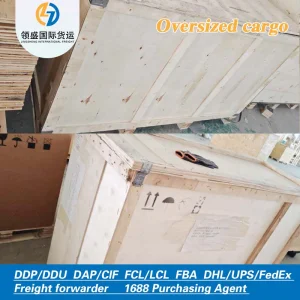
Transporting heavy capital equipment, such as construction cranes, manufacturing lines, and wind turbine sections, requires specialized flat-rack and open-top containers. Proper logistics engineering involves precise weight distribution calculations, custom tie-down points, and multi-jurisdictional permits. This process guarantees that oversized cargo safely navigates highway clearance heights and seaport weight limitations across continents.
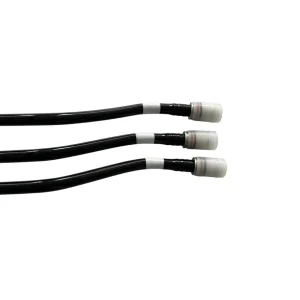
Modern assembly lines operate on Just-in-Time (JIT) scheduling. The delay of a single component can stall entire production facilities. Sub-assembly components require high-grade, vibration-resistant materials and precise delivery schedules. From importing pneumatic nylon tubes (SAE J844) for braking systems to ocean freight for large body panels, logistics networks must combine scheduled routes with digital visibility to minimize transit times.
The integration of physical hardware and digital networks driving next-generation supply chains.
Deploying smart sensor arrays that track cargo location, internal humidity, temperature, and shock events continuously via satellite networks.
Dynamic routing engines analyzing weather, port congestion, and customs wait times to optimize intermodal transitions and lower carbon footprints.
Transitioning long-haul trucking and shipping lanes to alternative fuels and hybrid power, meeting international environmental compliance standards.
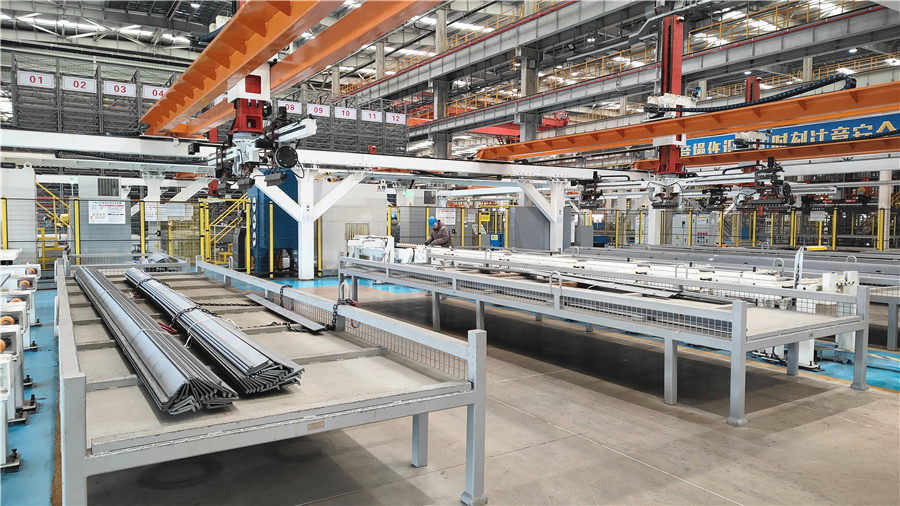
Employing Automated Guided Vehicles (AGVs) and robotic sorters to accelerate sorting and dispatch processes at logistics terminals.
To address global supply chain challenges, international buyers require reliable cargo routing. Lost shipments, delayed customs clearances, and unpredictable freight charges can disrupt manufacturing and distribution schedules. Shenzhen LoJo Logistics Co., Ltd. provides logistics and supply chain services designed to address these operational issues.
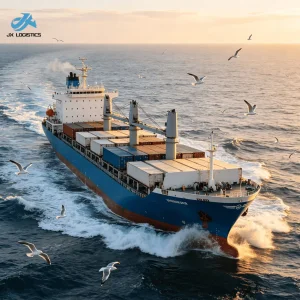
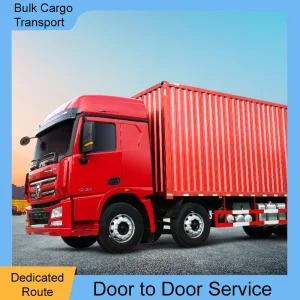
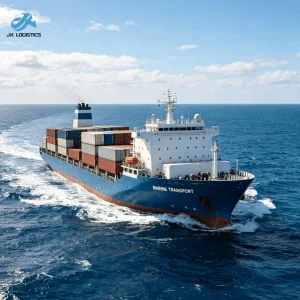
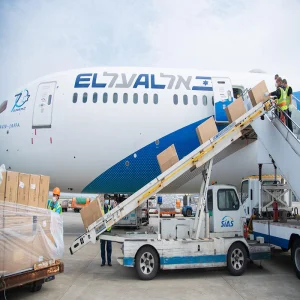
Headquartered in Shenzhen, a primary global export hub in China, LoJo Logistics manages international cargo movements with a focus on transparency, efficiency, and cost management. The company provides a comprehensive suite of logistics services, including ocean freight (both FCL and LCL configurations), air cargo forwarding, cross-border railway transport, warehousing, customs compliance, and door-to-door delivery.
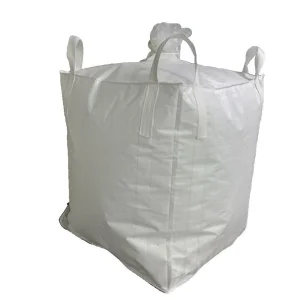
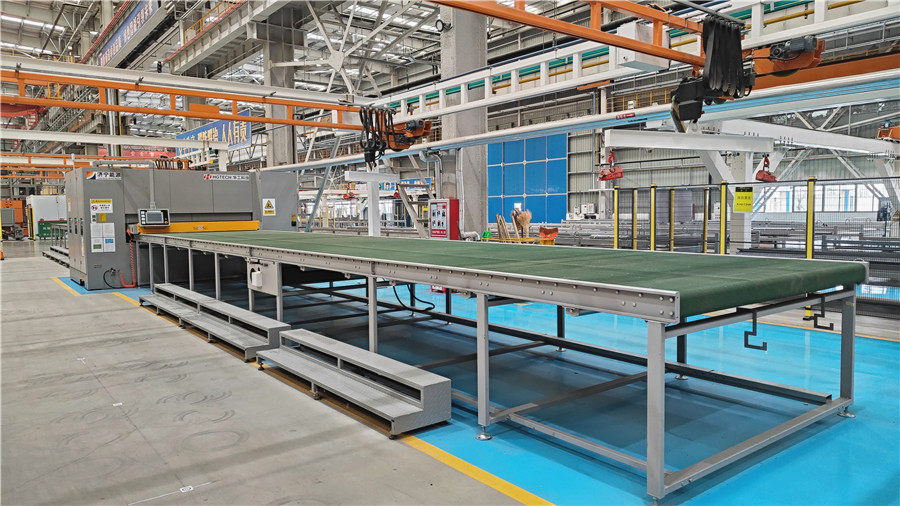
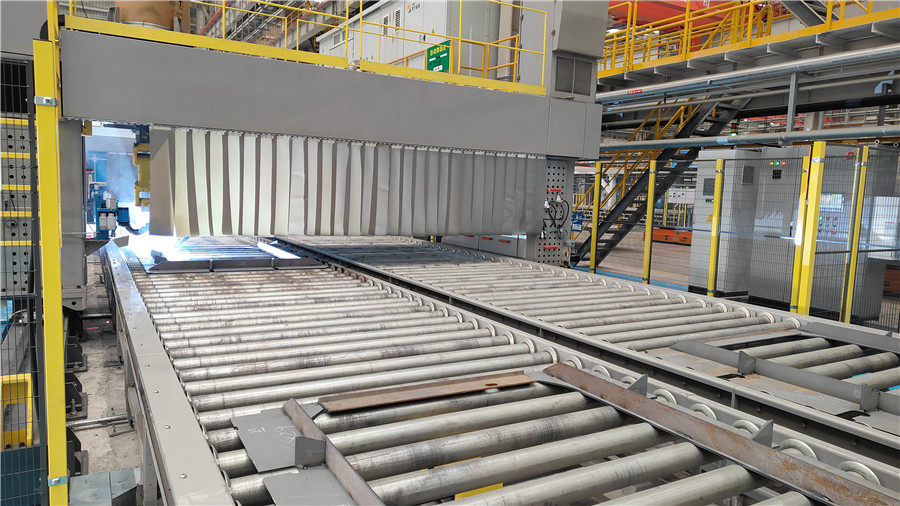
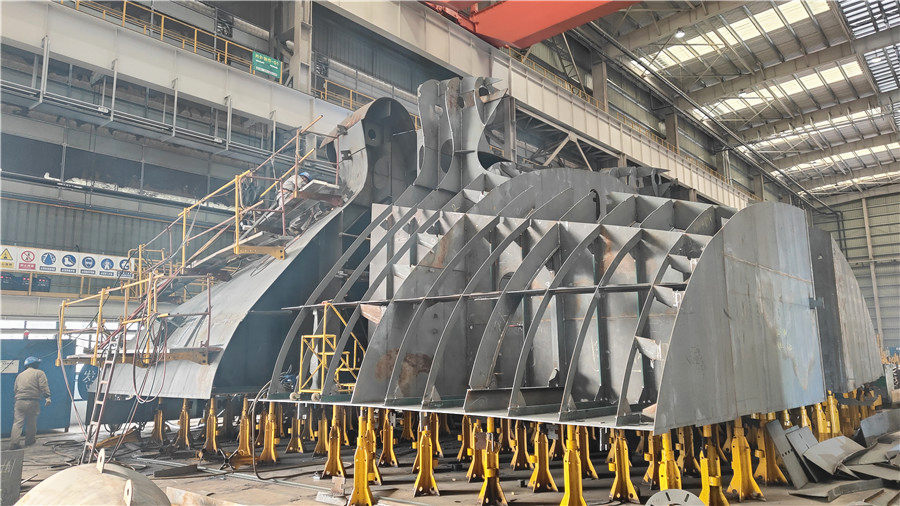
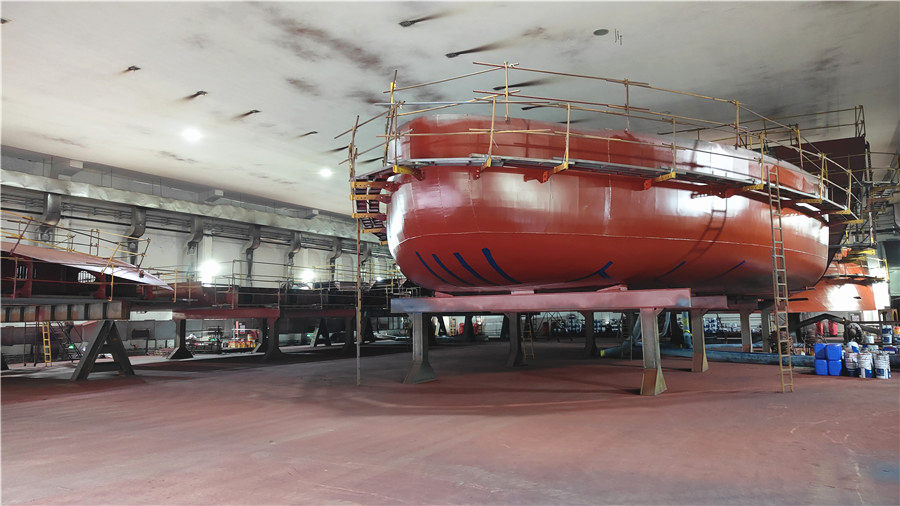
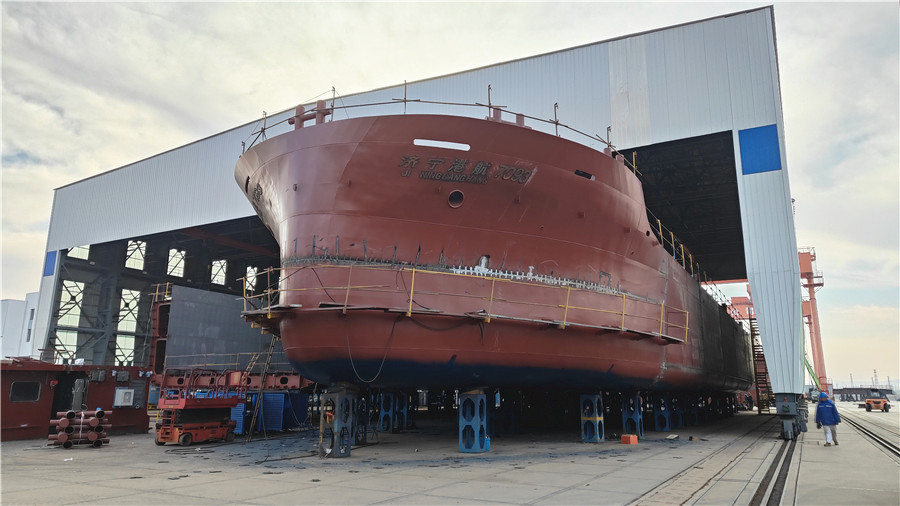
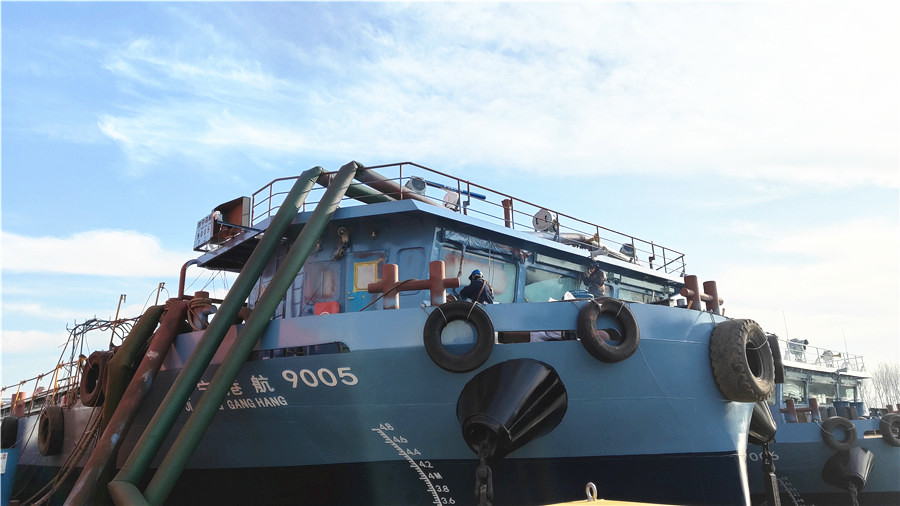
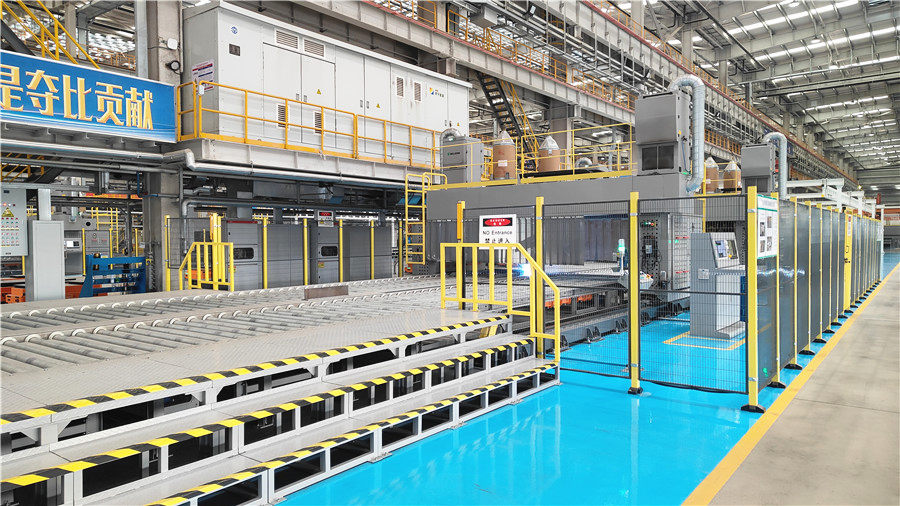
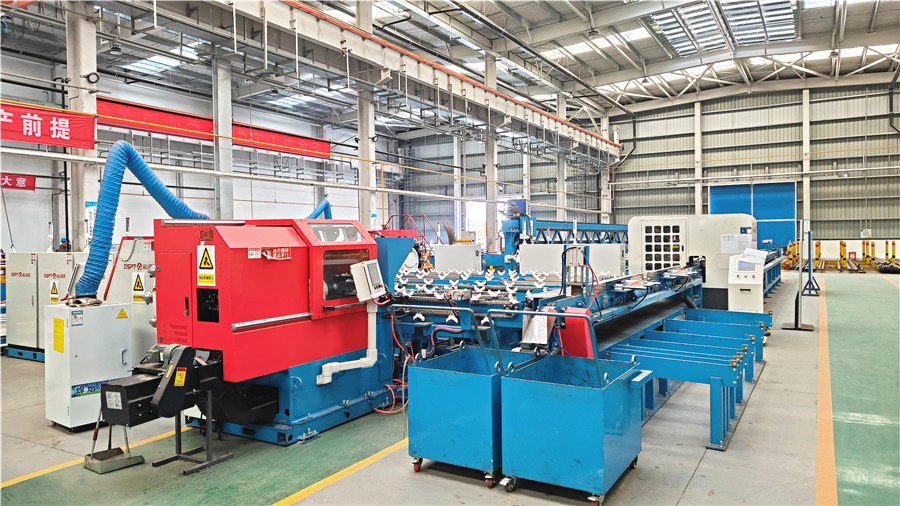
High-quality logistics equipment requires precise industrial manufacturing. Our physical logistics containers, machinery, and piping assemblies are manufactured under strict quality control standards.
Answers to technical questions regarding cross-border supply chains, cold chains, and equipment exports from China.
Our broader logistics solutions, cross-border routes, and transport line components.
 LoJo Logistics