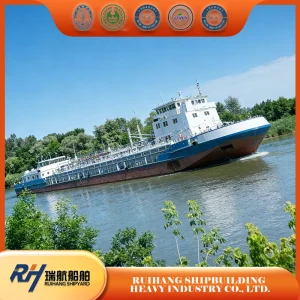
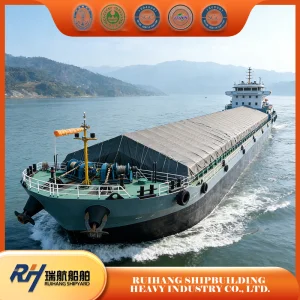
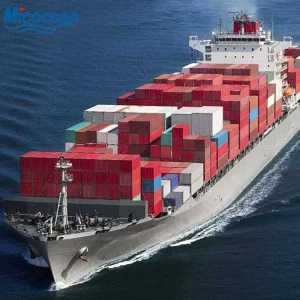
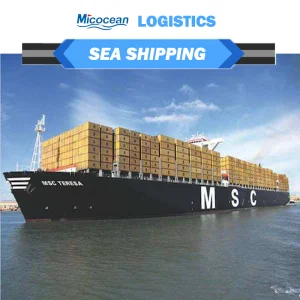
High-capacity specialized vessels and strategic freight routing tailored to hazardous cargo protocols entering the West African trade hubs.
An authoritative analysis of regulatory requirements, industrial demand, and infrastructure capability at the Ports of Tema and Takoradi.
As one of West Africa's fastest-growing economies, Ghana has rapidly evolved into a major hub for mining, offshore oil and gas production, and manufacturing. This industrial expansion relies fundamentally on the continuous, safe, and highly regulated import of dangerous goods (DG). The Ghanaian mining sector, characterized by extensive gold extraction operations in regions like Tarkwa, Obuasi, and Ahafo, generates massive institutional demand for process chemicals. These include highly toxic substances such as sodium cyanide (IMDG Class 6.1), strong acids, and processing reagents required for gold cyanidation.
Simultaneously, Ghana's offshore energy sector—anchored by the Jubilee, TEN, and Sankofa oil fields—demands a constant influx of specialized production chemicals, gases, and flammable liquids categorized across IMDG Classes 2, 3, and 8. Navigating the logistics of these critical materials requires deep engineering expertise, absolute transparency, and adherence to international maritime law.
Exporters targeting the Ghanaian market must integrate global IMDG code mandates with domestic environmental realities. Missing a single documentation threshold can lead to severe structural port lockouts, heavy demurrage accumulation, or immediate regulatory confiscation by the Ghana Environmental Protection Agency (EPA).
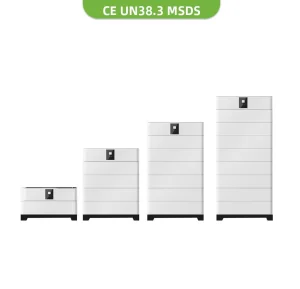
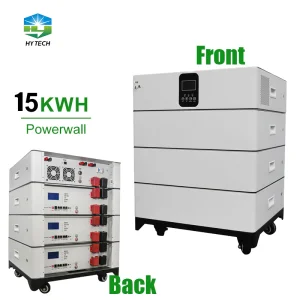
In addition to traditional heavy industries, Ghana's aggressive transition toward decentralized green energy and solar microgrids has introduced a significant new logistical requirement: the large-scale import of Lithium Iron Phosphate (LiFePO4) Energy Storage Systems (ESS). Classified under IMDG Class 9 (UN 3480 and UN 3481), lithium batteries represent a unique hazardous material transport risk due to their potential for thermal runaway.
Global procurement teams operating in Accra, Kumasi, and industrial zones like Tema require end-to-end transparency regarding battery state-of-charge (SoC), container temperature control, and physical impact mitigation during ocean transit. Securing these pathways involves deploying reinforced maritime hardware, specialized multi-purpose bulk carriers, and meticulously engineered intermodal handling strategies.
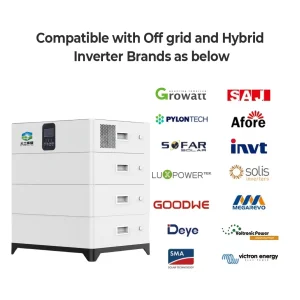
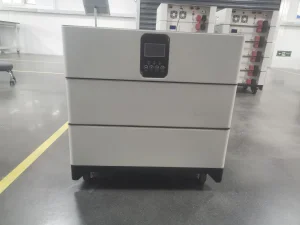
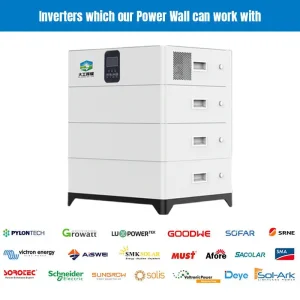
Advanced commercial energy hardware and home storage assets requiring certified international maritime logistics engineering.
The systemic deployment of structural barriers, dynamic monitoring systems, and chemical isolation techniques during maritime transit.
Executing precise mathematical mapping based on the IMDG Segregation Table. Flammable liquids (Class 3) are strictly isolated from oxidizing substances (Class 5.1) utilizing modern structural deck assignments and explosion-proof containment configurations to maximize deep-sea safety margins.
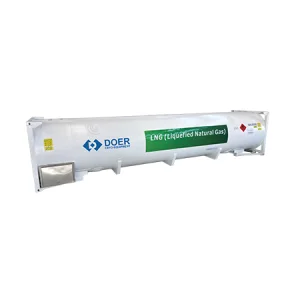
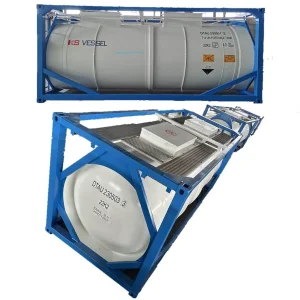
Deploying specialized 20FT ISO Tank containers with high-pressure ratings (up to 8bar working pressure) and advanced multi-stage safety valves. Critical for transporting bulk volatile acids, industrial bases, and liquefied gas compounds safely over long ocean crossings.
Continuous data stream monitoring for thermal-sensitive Class 9 cargo. Utilizing intelligent sensor arrays that constantly communicate battery ambient state, atmospheric pressure, and humidity levels directly to our global logistics dispatch command center.
The operational landscape for hazardous cargo clearance in Ghana changed dramatically with the deployment of the Integrated Customs Management System (ICUMS). This centralized architecture demands meticulous, proactive upload of all dangerous goods permits, international material safety data sheets (MSDS), UN-approved packaging certifications, and commercial invoices before the vessel berths at Tema or Takoradi.
Our localized customs unit maintains an active portal connection with the Ghana Revenue Authority (GRA) and the Environmental Protection Agency (EPA). By cross-checking hazardous compound identification codes against the global Harmonized System (HS) database, we minimize inspection delays. This seamless process prevents cargo from being stalled on hot port tarmacs, mitigating risk and avoiding costly container storage fees.
Your Premier Industrial Engineering & Global Freight Forwarding Architecture Partner
Are you still worried about lost cargo, delayed deliveries, or rising logistics costs while expanding your international trade with China? The smart solution is choosing a reliable China freight forwarding partner. Shenzhen LoJo Logistics Co., Ltd. is a professional international freight forwarding company dedicated to providing efficient, secure, and cost-effective logistics solutions for global importers and exporters. With years of experience in the logistics and supply chain industry, we help businesses simplify international shipping and improve transportation efficiency.
At LoJo Logistics, we believe that logistics is more than simply moving cargo — it is about delivering reliability, transparency, and peace of mind. Our team is committed to offering full-process logistics support, ensuring that every shipment is handled professionally from pickup to final delivery. Our specialized hardware infrastructure division handles advanced dangerous goods assets, tank containers, and heavy machinery to support West African heavy industry requirements.
Strong China Local Resources: Based in Shenzhen, one of China's largest export hubs, we maintain strong relationships with shipping lines, airlines, customs authorities, trucking companies, and warehouses, enabling us to provide flexible and reliable logistics solutions.
Competitive Freight Rates: We cooperate with major carriers and logistics partners worldwide, allowing us to offer highly competitive shipping rates without compromising service quality or safety standards.
Customized Logistics Solutions: Every business is different. We provide personalized logistics plans based on cargo type, delivery schedule, destination, and budget requirements.
Critical regulatory insight for global chemical manufacturers and heavy industrial exporters shipping to West Africa.
Fulfilling the compliance requirements of the Ghana Maritime Authority (GMA) and the Environmental Protection Agency (EPA) Ghana requires active operational experience on the ground. For global chemical exporters, especially those operating from manufacturing hubs in East Asia, moving dangerous materials to West Africa involves navigating a complex web of overlapping regulatory jurisdictions. The GMA strictly enforces international maritime legislation, including the Safety of Life at Sea (SOLAS) convention and Verified Gross Mass (VGM) declarations, with zero tolerance for cargo discrepancies.
Furthermore, the Ghana Standards Authority (GSA) enforces mandatory pre-export verification of conformity (PVoC) standards. For chemical reagents, industrial acids, and high-voltage commercial battery systems, this means that testing documentation must be completely verified at the loading port before the vessel departs. Our specialized hazmat units ensure that every intermodal container, ISO tank, or bulk carrier space undergoes pre-loading inspections. This includes checking structural integrity, validating dangerous goods labeling across all four sides, and verifying that thermal controls match the specific requirements of the cargo.
With Accra serving as the administrative capital of the African Continental Free Trade Area (AfCFTA), the Port of Tema is rapidly transforming into a pivotal transit gateway for landlocked nations like Burkina Faso, Mali, and Niger. Exporters utilizing advanced dangerous goods logistics can leverage Ghana's robust regulatory framework to secure transshipment pathways into the broader West African sub-region, multiplying their target addressable market exponentially.
Direct answers from our senior risk engineers regarding dangerous goods maritime transport routes to Ghana.
Importing Class 6.1 toxic substances, specifically sodium cyanide for gold mining extraction, requires an active chemical import permit issued directly by the Environmental Protection Agency (EPA) of Ghana and the Minerals Commission. Additionally, the exporter must provide a comprehensive UN-certified packaging declaration, an active Material Safety Data Sheet (MSDS) updated within the last 12 months, and log the preliminary manifest into Ghana's ICUMS network prior to the vessel departure from China's load port.
Our Class 9 maritime transport strategy relies on active and passive safety measures. This includes utilizing reefer containers or specialized ventilated cargo holds to maintain internal ambient temperatures below 25°C. We strictly enforce a factory shipping State of Charge (SoC) limit of 30% or less, in accordance with international maritime protocols. Containers are equipped with advanced telemetry shock indicators to prevent internal structural cell damage during rough deep-sea voyages across the Atlantic and Indian Oceans.
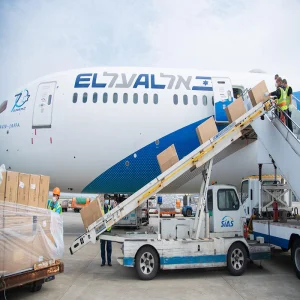
The typical transit time for direct maritime routes from major China export hubs to the Port of Tema, Ghana, ranges between 35 to 45 days, depending on transshipment configurations and vessel schedules. For time-critical chemical compounds or replacement engineering components, we offer a specialized multimodal air freight solution via Kotoka International Airport (ACC), reducing the supply chain window to 5 to 7 days while ensuring full hazmat compliance protocols are maintained.
The Integrated Customs Management System (ICUMS) allows for the early submission of shipping documents, enabling pre-manifest declaration and automated tax assessment before the vessel arrives. By assigning dedicated customs clearance agents who specialize in hazardous materials, we secure clearance approvals prior to berthing. This approach eliminates the typical 3-to-5-day administrative delays at Tema Port, avoiding costly demurrage fees from shipping lines and minimizing container handling risks.
Yes, according to the IMDG Code Segregation Table, Class 8 corrosive substances with acidic properties must be structurally separated 'away from' or 'separated from' strong alkaline bases. In bulk maritime shipping or container allocation, our load planning engineers utilize automated diagnostic software to ensure these substances are placed in distinct containment zones or separate holds. This configuration prevents hazardous chemical reactions in the unlikely event of a primary container breach during ocean transit.
Deploy our advanced global forwarding infrastructure, absolute compliance engineering, and optimal freight rates today.
Send Inquiry Now & Connect with Risk Engineers →High-end ISO tank frameworks, acid containment cells, and global shipping agency networks serving heavy industrial operations.
 LoJo Logistics