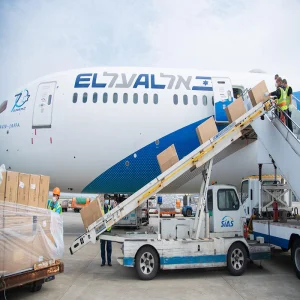
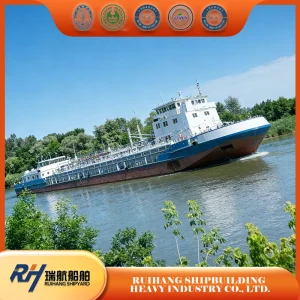
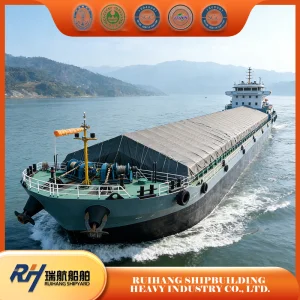
Explore our elite fleet solutions and cargo forwarding assets engineered to bridge industrial manufacturing bases with major Scandinavian shipping arteries. Below are our specialized logistics and bulk systems tailored to meet stringent Baltic Sea environment criteria.
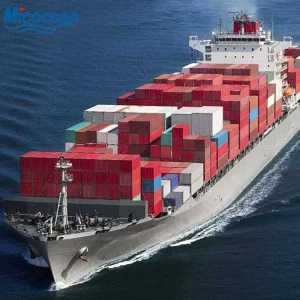
Receive instant transit routes, IMO container class assignments, and factory-direct pricing quotes in under 2 hours.
Denmark stands as an innovative, sustainability-focused powerhouse in Northern Europe. Anchored by world-class pharmaceutical corporations, high-tech manufacturing, wind power grids, and an expanding chemical refinery sector, the nation's reliance on the import of raw hazardous chemicals, high-voltage battery banks, and process elements is growing rapidly. From the bustling port of Aarhus to the critical offshore support base in Esbjerg, handling dangerous goods requires a flawless alignment between Chinese manufacturing systems and local European safety directives.
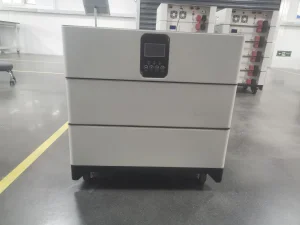
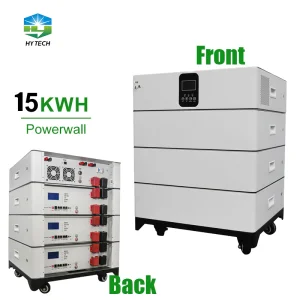
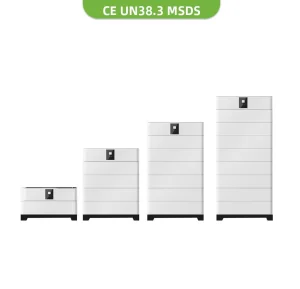
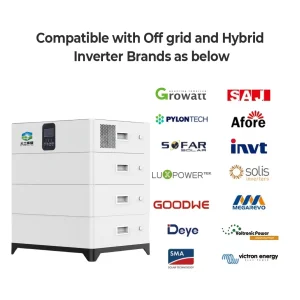
Denmark is a global front-runner in renewable integration. As grid operators deploy huge battery energy storage systems (BESS) to capture offshore wind surges, the need for large-scale maritime import of certified lithium iron phosphate (LiFePO4) battery packs from China has surged. These systems fall under Class 9 Dangerous Goods, requiring rigorous structural container housing (ISO framework) and sea-freight cooling/stability controls to meet the strict maritime environmental criteria of the North Sea.
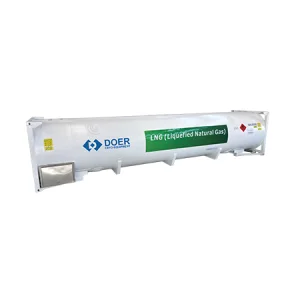
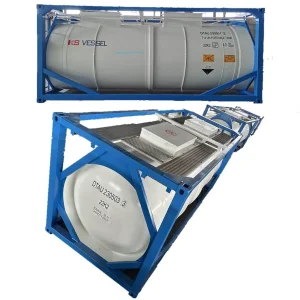
Denmark's life sciences and medical technology sectors rely heavily on refined organic compounds and aggressive chemical solvents (Class 3 Flammable Liquids, Class 8 Corrosives). These highly dangerous substances necessitate heavy-duty ASME-certified T14 and T50 ISO Tank containers, designed for maximum containment integrity during long transoceanic voyages from major Chinese industrial complexes in Ningbo or Shenzhen.
Maritime cargo carrying materials classified as hazardous must fulfill localized Danish standards alongside international agreements. We guarantee that all dangerous goods exports originating from our Chinese facilities comply comprehensively with both local and global regulatory structures:
Strict adherence to the International Maritime Dangerous Goods (IMDG) Code for chemical segregation, hazard identification labelling, and heat-protective loading protocols beneath or on the ship's deck.
Coordination of necessary notifications with the Danish Maritime Authority (Søfartsstyrelsen) when dangerous materials enter Danish waters, ensuring trouble-free docking at key ports.
Synchronized planning between sea-freight and overland transport (ADR regulations) for seamless final-mile delivery across Denmark’s expansive E20 and E45 highway networks.
Every single shipment dispatched to Denmark is accompanied by a pristine documentation packet: the Dangerous Goods Declaration (DGD), Container Packing Certificate, Safety Data Sheet (SDS) translated into English or Danish, and classification certs verified by leading maritime bodies like DNV, Bureau Veritas (BV), or Lloyd's Register.
We provide the high-end industrial machinery, lithium energy storage containers, and custom forwarding architectures required by premium buyers in Scandinavia. Explore our specialized mid-range equipment and service offerings below.
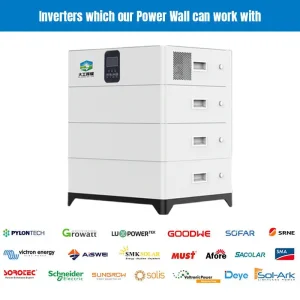
Shenzhen LoJo Logistics operates in perfect alignment with state-of-the-art Chinese heavy machinery and logistics manufacturing plants. When you buy our ISO tank containers or large-scale battery banks, you are sourcing directly from a system that leverages highly optimized industrial workflows, cutting-edge automated assembly lines, and unmatched metal fabrication tools. Below is an insider look into the industrial steps that define our supply chain:
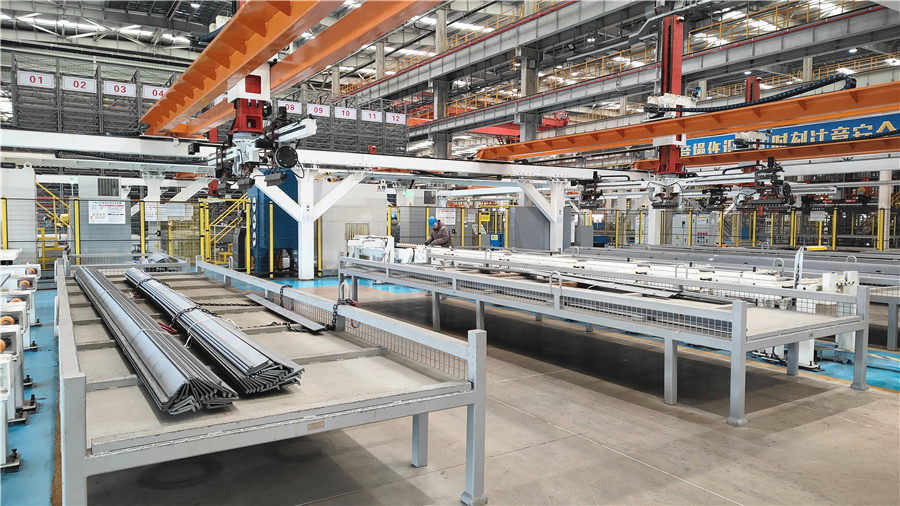
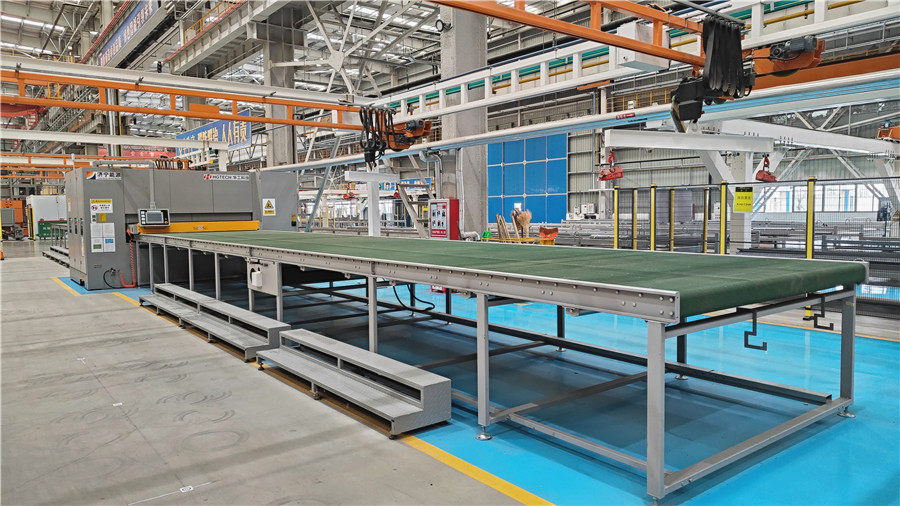
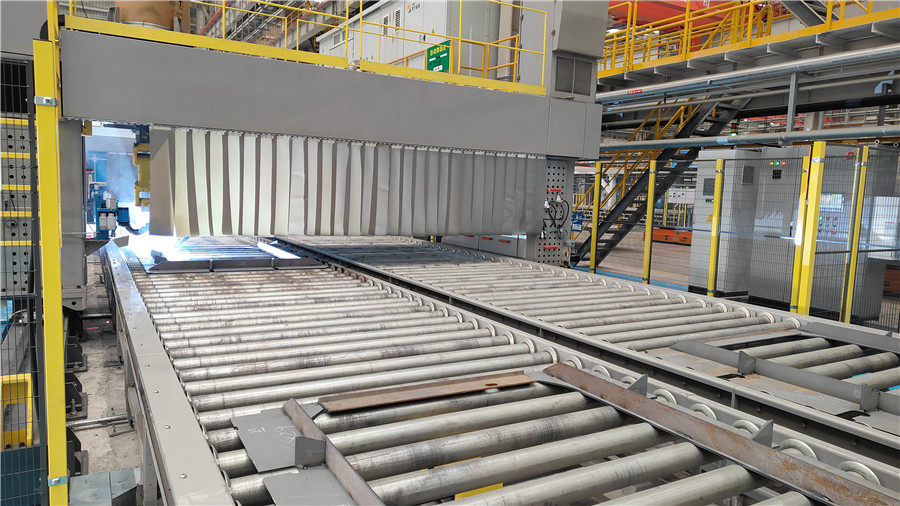
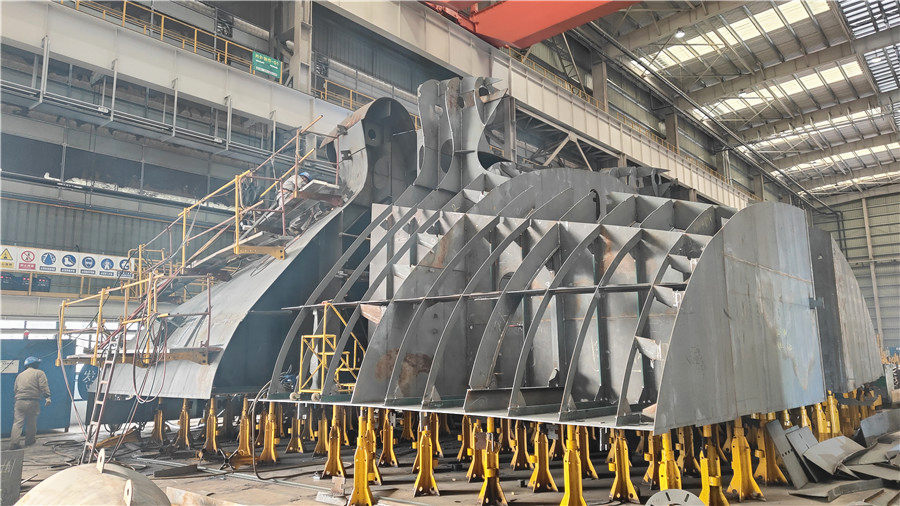
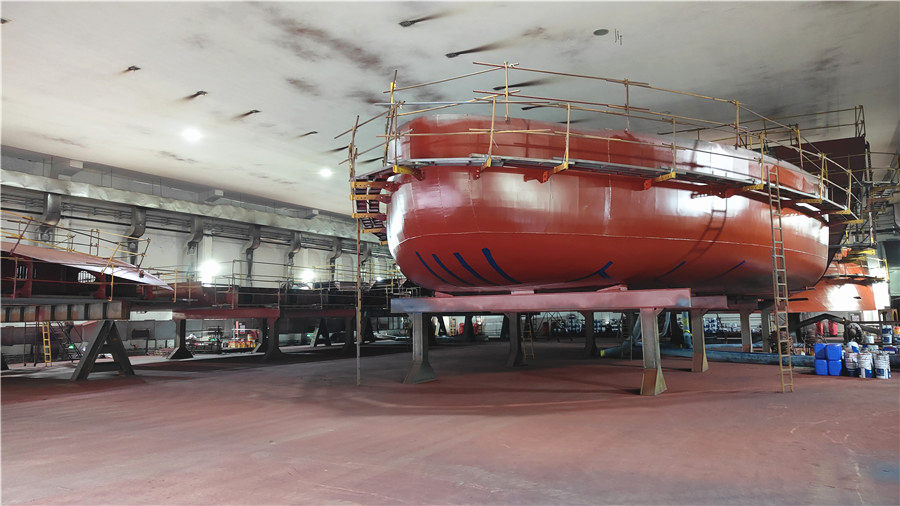
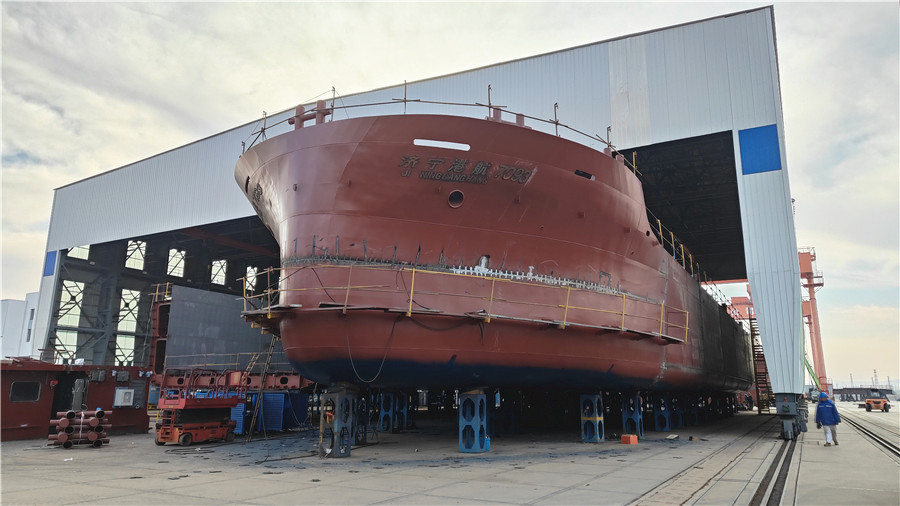
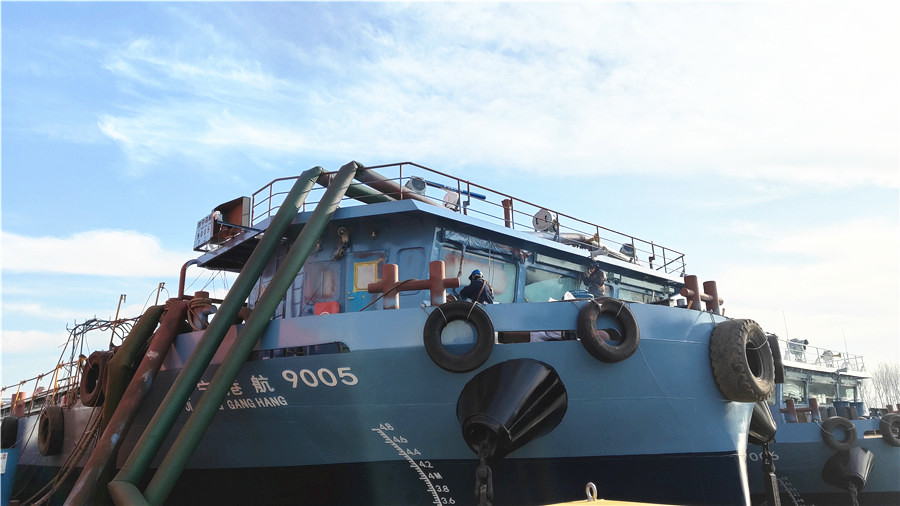
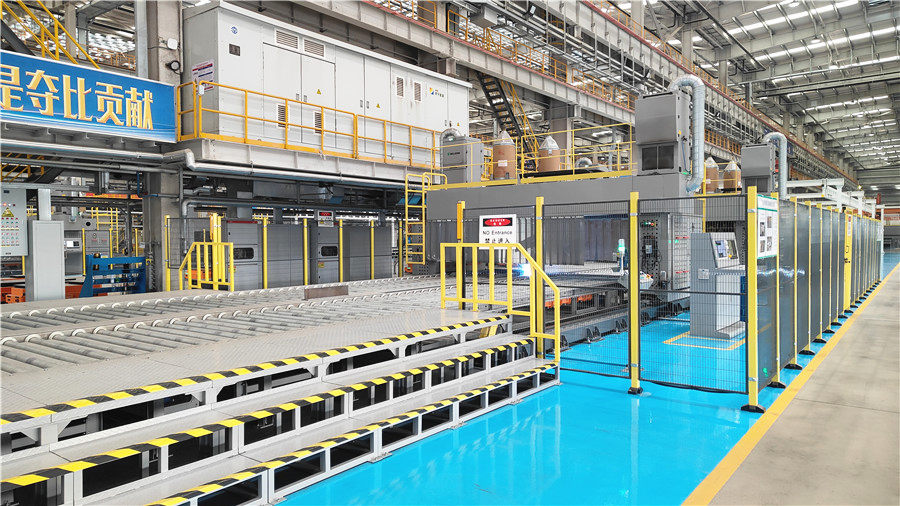
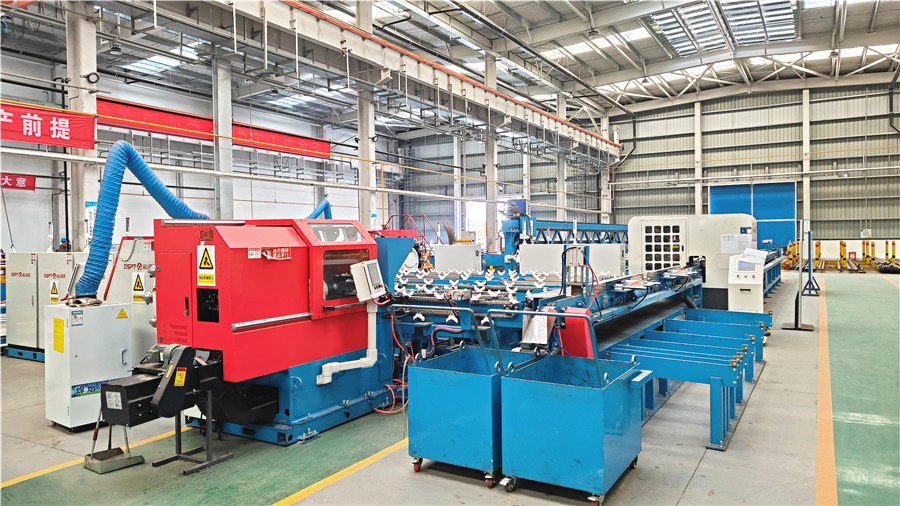
By combining our logistics routing engine with real factory fabrication, we reduce middlemen and offer unparalleled control over quality. When a Danish buyer requests modifications on an ASME-certified hydrochloric acid tank container, our designers coordinates directly with the workshop technicians. Whether configuring computerized laser cutting parameters or checking structural weld stress points using non-destructive ultrasonic techniques, we build security into every layer of our physical assets.
The international maritime sector is going through a massive transformation driven by carbon reduction initiatives and high-tech tracking demands. Global enterprises are demanding smart integration across every phase of dangerous goods transit.
Importers in Northern Europe no longer accept "black box" transit phases. Modern BESS projects and corrosive chemical importers demand continuous tracking of crucial storage factors. Our high-voltage battery containment and chemical ISO tanks are configured with IoT-enabled telemetry packs, allowing Danish buyers to remotely monitor internal temperatures, vapor pressures, humidity, and physical shocks in real-time as the vessel navigates the South China Sea, the Suez Canal, and the Baltic Sea.
Denmark is leading the charge toward green methanol and ammonia-powered container vessels. Transporting hazardous materials on ships powered by alternative fuels requires specialized hazard isolation protocols. Our logistics experts coordinate closely with carriers using eco-friendly fuel lines, lowering the Scope 3 carbon footprint of your imports while fully protecting cargo integrity.
Thermal runaway in lithium-ion battery cells remains a primary concern for modern cargo transport. We incorporate smart packaging materials, specialized flame-retardant structural buffers, and rigorous State of Charge (SoC) management (typically set between 30% and 40% during maritime passage) to systematically prevent hazard escalations at sea.
Customs delays can result in heavy port demurrage fees, especially for hazardous cargoes that must be kept under controlled conditions. By preparing automated import documents in Denmark well before the vessel docks at Aarhus, we bypass bureaucratic hold-ups, saving clients thousands of euros in unexpected storage costs.
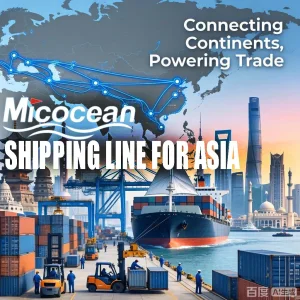
Our complete product catalog contains specialized home energy storage hardware, high-pressure industrial chemical ISO tanks, and global premium freight services. Every product listed below is fully certified for importation into Denmark and complies with European safety codes.
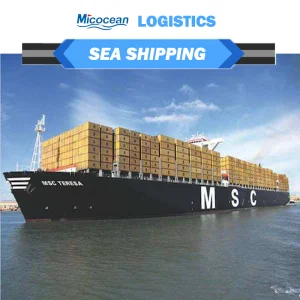
Our end-to-end factory-to-port logistics services solve real operational challenges for Danish corporations in specific industrial contexts:
Supplying critical structural components, large-capacity LiFePO4 battery modules, and auxiliary power units directly to offshore wind installers. We manage special low-bed maritime flat racks, dynamic custom clearances, and harbor transfer protocols, ensuring offloading occurs without delay.
Supporting Denmark’s famous industrial symbiosis network. We transport corrosive chemical solvents and processing agents using T14 acid tanks, facilitating safe industrial waste-to-resource flows with absolute compliance.
Ensuring temperature-critical, hazardous medical ingredients are shipped from China to Sjælland research laboratories under rigorous Class 6 and Class 8 transport protections, utilizing dynamic GPS reporting and strict climate controls.
Get expert clarity on legal regulations, manufacturing structures, and shipping rates for importing hazardous materials and industrial components into Denmark.
Secure factory-direct prices and industry-certified shipping plans. Talk to a Dangerous Goods logistics engineer now.
Send Inquiry Now LoJo Logistics