IMDG & ADR Standard HazMat Logistics

International Maritime Transport for Dangerous Goods Factory & Suppliers for Egypt

Secure, Compliant, and High-Yield Maritime Supply Chain Solutions Connecting China's Leading Hazardous Materials Infrastructure with Egypt's Industrial Corridors & Suez Canal Zone.

Primary Maritime Carrier & HazMat Logistics Infrastructure

Direct access to strategic bulk transportation capacities and specialised battery-safe marine routing designed for the Mediterranean-Red Sea trade axis.
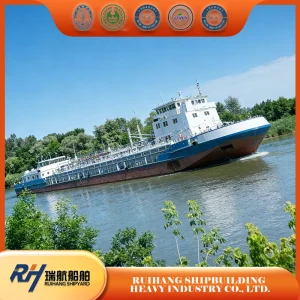
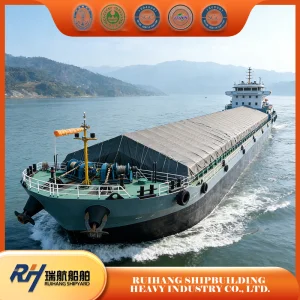
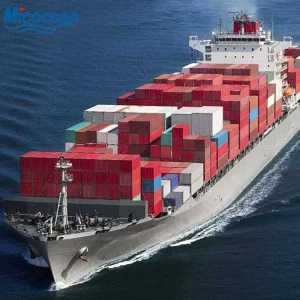
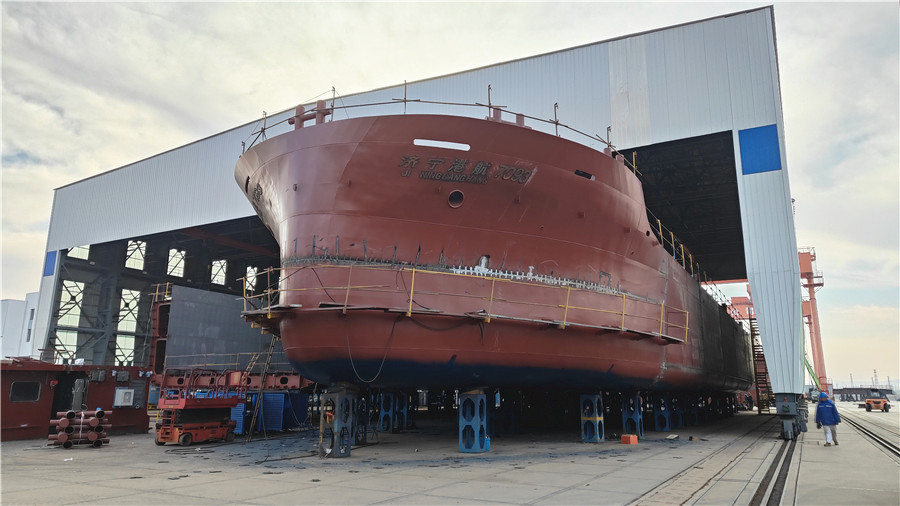
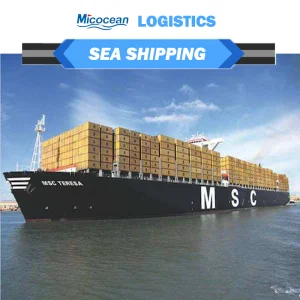
Multi-Purpose Bulk Carrier for Egypt Port Routing

Multi-Purpose Bulk Carrier, Universal Transport for Bulk Materials, Exquisite Craft & Large Load Capacity, Egypt Route Optimized

View Specifications
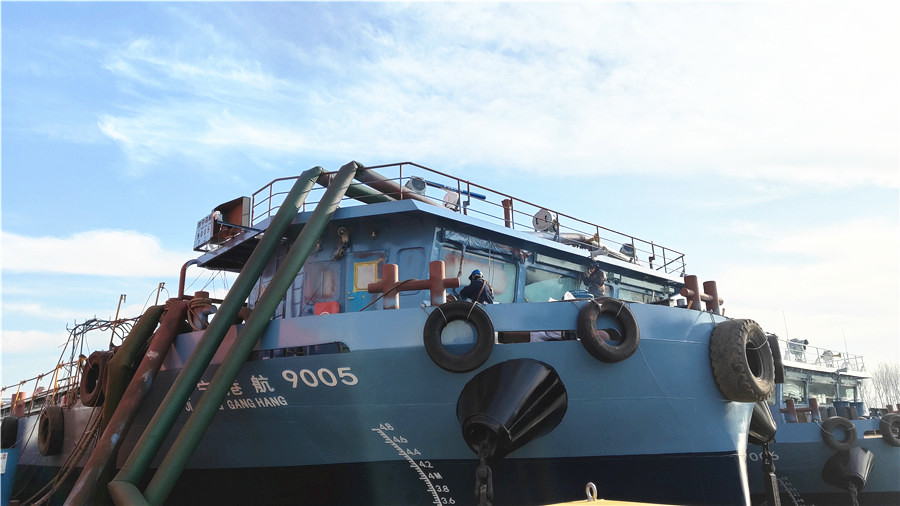
Bulk Carrier for Sand, Grains & Minerals Egypt

Bulk Carrier, Efficient Ocean Transport of Sand, Grains & Gravels, Durable Structure, Cost-Effective Fleet Operations for Egyptian Ports

View Specifications
Professional Battery Sea Freight to Alexandria Port

Professional Forwarding Agents: Safe Battery Transport & Sea Freight Solutions to Alexandria, Port Said & Cairo Hubs

View Specifications
Shipping Freight Rates China to Ireland and Egypt

Shipping Cost Freight Maritime Shipping Rate From China to Belfast/Cork/Derry/Galway and Transshipment Routes to Egypt

View Specifications
Strategic Whitepaper

Egypt’s Industrial Metamorphosis: Navigating the Complexities of Dangerous Goods (DG) Logistics

Egypt has firmly established itself as a monumental hub for trade and manufacturing within the Middle East and Africa (MENA) region. Propelled by the strategic evolution of the Suez Canal Economic Zone (SCZONE), the nation’s chemical manufacturing, energy storage integration, solar electrification, and downstream petrochemical processing have experienced unprecedented growth. As industrial facilities multiply, the demand for highly specialized maritime logistics to handle hazardous materials—commonly recognized as Dangerous Goods (DG) under the International Maritime Organization (IMO) framework—has escalated exponentially.

Moving class-regulated materials across international waters demands an exceptional level of technical rigor, operational precision, and compliance integrity. From advanced lithium energy storage systems (Class 9) to volatile chemical compounds, corrosive agents (Class 8), and compressed industrial gases, the shipping corridor from Chinese manufacturing hubs to major Egyptian maritime entry points (such as the Port of Alexandria, Port of Damietta, and East Port Said) requires deep logistics competence. This whitepaper analyzes how high-performance supply chains, leveraging robust manufacturing standards and expert cargo forwarding, support Egypt's industrial goals safely and efficiently.

12%
Global Trade Passing Suez Canal
Class 9
UN-Certified Battery Transport Specialists
8 Bar
Heavy-Duty ISO Tank Pressure Caps
100%
ACI System & Nafeza Compliance

1. The Industrial & Commercial Landscape of Dangerous Goods in Egypt

Egypt's economic expansion rests heavily on its aggressive infrastructure push and its rapid transition to renewable energy sources. The Egyptian Environmental Affairs Agency (EEAA) and the Ministry of Trade and Industry have closely supervised the integration of large-scale solar arrays, such as the Benban Solar Park, and multiple off-grid hybrid commercial installations. Underpinning these modern solar systems is the deployment of high-voltage Lithium Iron Phosphate (LiFePO4) battery packs and energy storage systems (ESS). Classified internationally as Class 9 Dangerous Goods, these high-energy-density components demand strict compliance with UN38.3 testing protocols, custom temperature-monitored sea freight packaging, and protective stowing profiles to prevent thermal runaway.

Concurrently, Egypt’s metallurgical, textile, agricultural, and petrochemical factories located within industrial zones like Tenth of Ramadan City, Sixth of October City, and the SCZONE rely heavily on critical process chemicals. Strong acids—such as hydrochloric acid (UN 1789) and sulphuric acid (UN 1830)—constitute the lifeblood of these heavy manufacturing ecosystems. Safely transporting these Class 8 corrosive substances from world-class manufacturing plants in China to the chemical depots of Cairo, Giza, and Alexandria demands high-specification transport units like ASME-certified T14 ISO Tank Containers with structural capabilities to withstand the mechanical stresses of ocean passage.

Key Insight on Information Gain: Under Egypt's maritime safety initiatives, traditional drum packaging for highly volatile compounds is increasingly being phased out in favor of 20FT ISO Tanks with integrated telemetry. These advanced units offer digital tracking of temperature, pressure, and geolocation, providing real-time data to safety personnel at both loading and discharge ports.

2. Regulatory Compliance & Localized Logistics Support in Egypt

Navigating Egyptian customs and safety regulators is a highly technical discipline. Shippers of hazardous cargo must adhere to the stringent requirements of the Egyptian Customs Authority, which mandates the use of the Advanced Cargo Information (ACI) system via the Nafeza portal. Under this regulatory mechanism, all shipping manifest data, safety data sheets (SDS) formatted to the Globally Harmonized System (GHS), and structural inspection certificates must be submitted electronically 48 hours prior to cargo loading at the origin port in China.

Furthermore, the transshipment of Dangerous Goods through the Suez Canal is governed by strict local protocols issued by the Suez Canal Authority (SCA). Shippers must supply detailed physical declarations identifying IMO Class ratings, UN numbers, packaging groups, and thermal thresholds. Failure to comply with these rules can result in heavy fines, vessel detention, or refusal of canal passage. Working with a competent freight forwarder like Shenzhen LoJo Logistics Co., Ltd. ensures seamless coordination among Chinese factories, customs brokers, container ship operators, and Egyptian port authorities. This integrated approach ensures that every shipment arrives fully validated, minimizing the risk of costly administrative delays at the ports of Alexandria or Damietta.

3. China Factory Supply Chain Advantages: Engineered for Safety

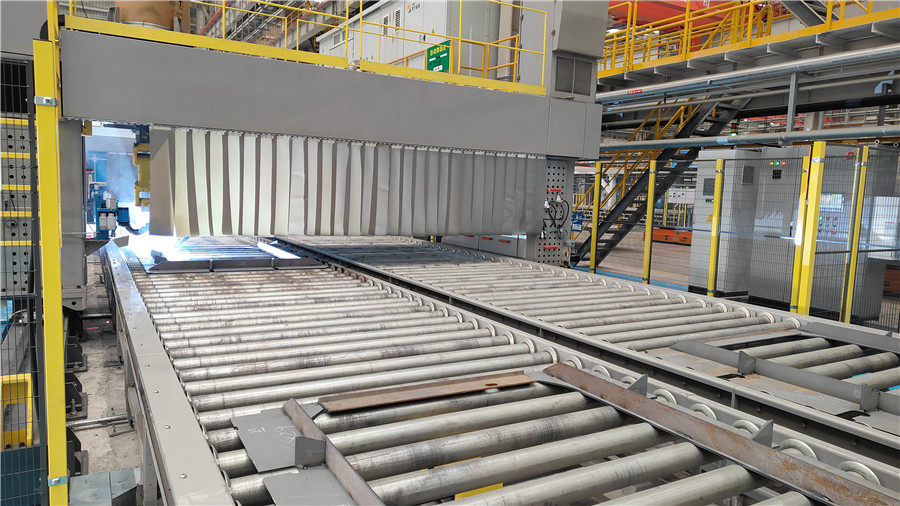
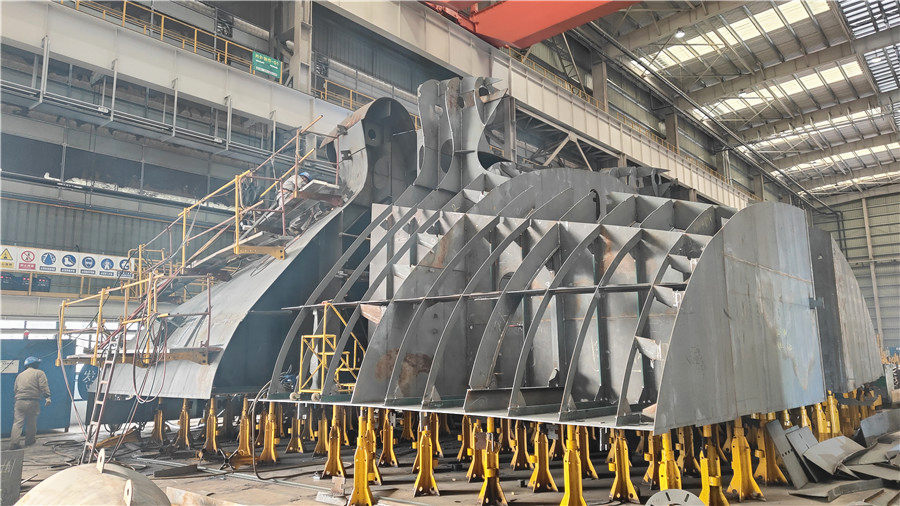
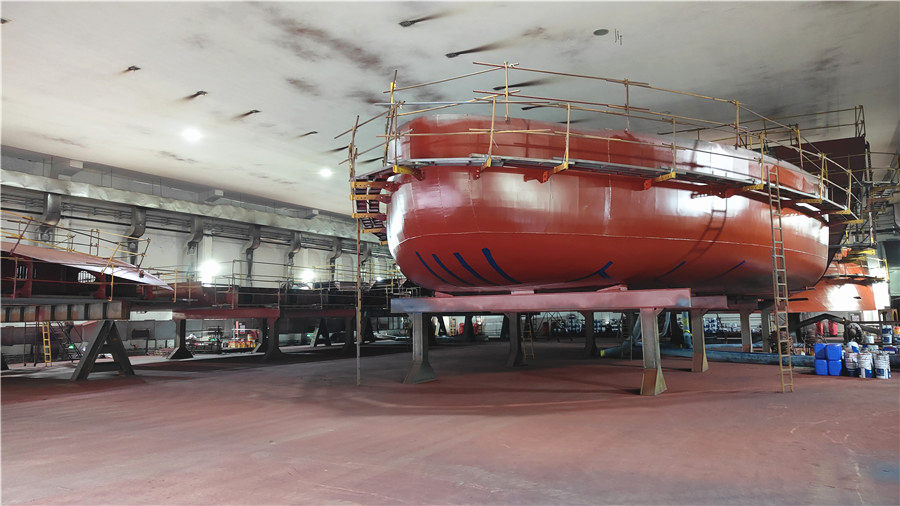
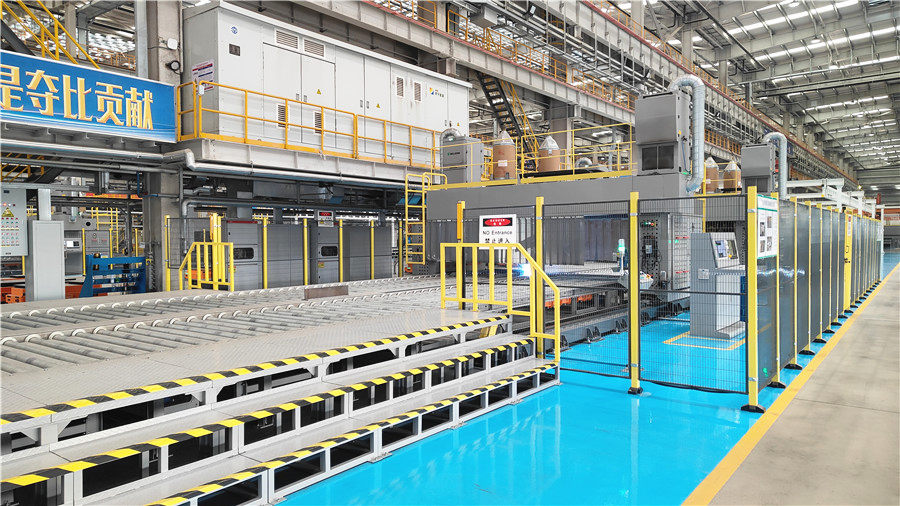
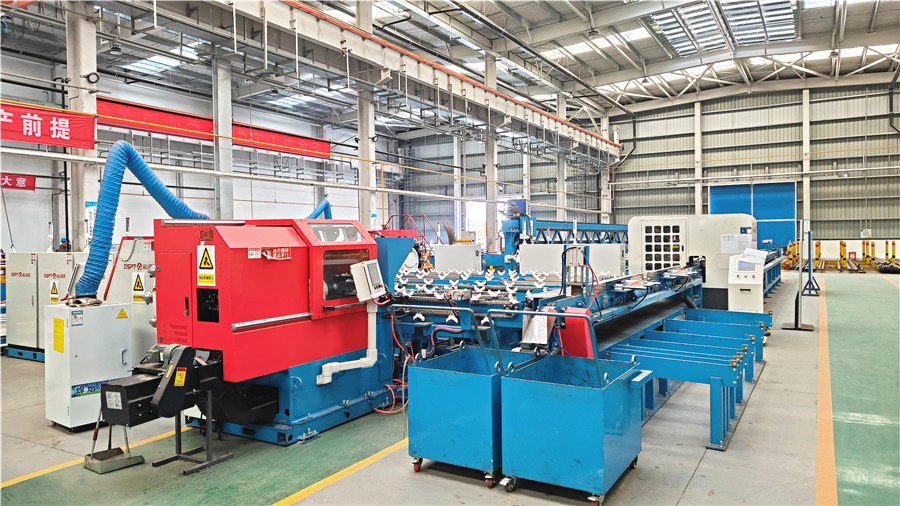
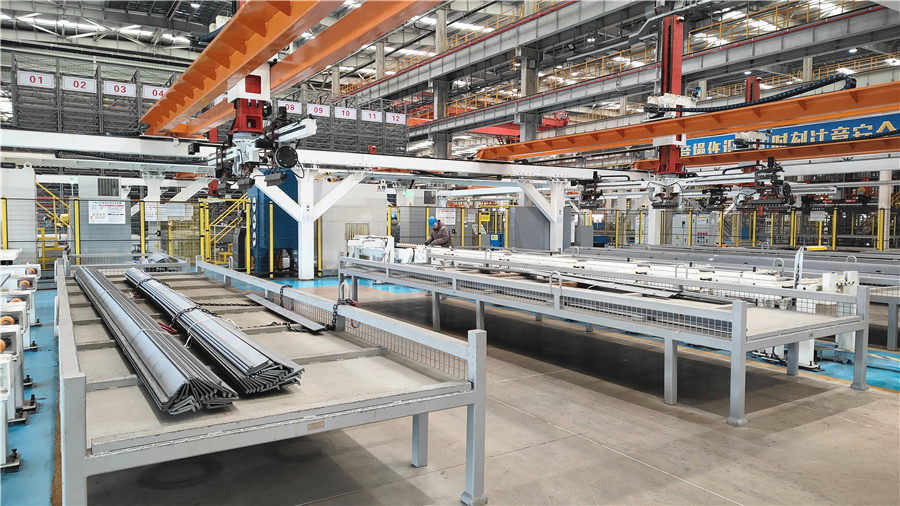
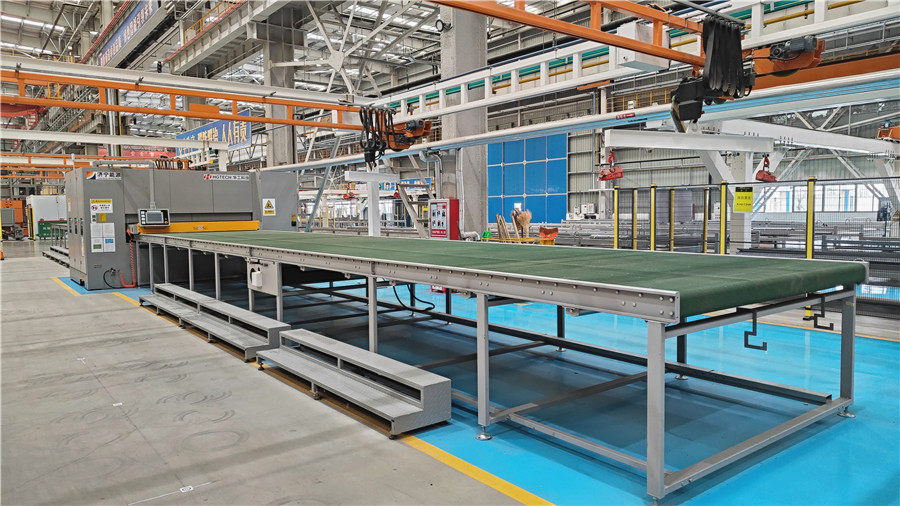
China remains the world's primary source for high-quality, high-spec industrial logistics equipment, specialized ocean-going bulk carriers, and heavy industrial products. Chinese factories employ advanced manufacturing methods to construct top-tier dangerous goods containers and bulk cargo fleets. The integration of modern technology—such as computer-controlled plasma cutting, precision laser cutting, robotic welding machines, and automated multi-layer paint systems—ensures that pressure vessels like T14 ISO Tanks can handle hazardous and corrosive liquids without risk of leakage.

Furthermore, Chinese energy storage factories lead the global market in manufacturing high-capacity LiFePO4 cells and integrated residential and commercial solar battery racks. These modern storage solutions are subjected to rigorous testing, including vibration, drop, thermal abuse, and external short-circuit trials, to meet international UN38.3 transport safety standards. Leveraging Chinese manufacturing power allows Egyptian procurement managers to secure high-performance equipment that fully complies with global safety regulations, ensuring reliable operations over long life cycles.

4. Global Procurement & Operational Best Practices for Egyptian Enterprises

For procurement directors at Egyptian industrial companies, securing reliable, long-term partnerships with specialized logistics providers and equipment manufacturers in China is a critical operational goal. To establish a secure and efficient supply chain, enterprises should implement several key best practices:

  • Pre-Shipment MSDS & UN Packaging Verification: Ensure all cargo is accompanied by a valid Material Safety Data Sheet (MSDS) in both English and Arabic, and that all packaging bears the appropriate UN specification markings.
  • Nafeza ACI Registration: Register all upcoming shipments on the Nafeza portal early in the process to obtain the required 19-digit ACID number before the cargo leaves the Chinese factory floor.
  • ISO Tank Pressure Testing: Verify that Class 8 chemicals are loaded into T14 ISO Tanks that have undergone recent pressure tests, with relief valves calibrated to meet or exceed 8 bar pressure ratings.
  • End-to-End Chain of Custody: Partner with logistics providers that offer continuous tracking, including automated email updates, transit milestones, and direct communication with port agents in Egypt.
About LoJo Logistics

Your Trusted Partner for China-to-Egypt Logistics

Shenzhen LoJo Logistics Co., Ltd. is a licensed, highly experienced international freight forwarder specializing in complex shipping solutions. We support global businesses by simplifying international trade with professional cargo handling, robust regulatory compliance, and reliable supply chain management.

Based in Shenzhen, one of China's primary export hubs, we manage specialized cargo transport across a wide variety of industries. Whether you are shipping commercial bulk cargo, high-capacity solar battery systems, or industrial process chemicals, our team ensures your cargo is fully compliant with IMDG and local Egyptian regulations from origin to destination.

Comprehensive Service Portfolio

  • Ocean Freight (FCL & LCL) and Dedicated Bulk Chartering
  • Air Freight for Time-Sensitive Industrial Components
  • End-to-End Customs Clearance & Nafeza (ACI) Support
  • UN38.3 Lithium Battery & Class 9 Cargo Logistics
  • Specialized ISO Tank Leasing & Class 8 Acid Transport
  • Door-to-Door Delivery (DDP & DDU) & Warehouse Consolidation

Industrial Production & Quality Engineering

From computerized plate cutting to precision automated assembly, our partners' manufacturing facilities maintain strict quality control standards for maritime shipping units and industrial components.
Localized Logistics Application Scenarios

Real-world application profiles demonstrating how our products and logistics services operate within key Egyptian industrial hubs.

Industrial Chemicals

Corrosive Acid Transit to Suez Canal Zone

Egyptian chemical plants located in the Suez Canal Economic Zone require highly reliable logistics for Class 8 chemicals, including Hydrochloric Acid (UN 1789). Utilizing ASME-certified T14 ISO Tank Containers ensures safe transport, with 8 bar pressure ratings providing a high margin of safety during transit.

Applied Unit: 20FT ISO Tank Container
Renewable Energy

Solar Storage Deployments in Giza & New Cairo

Egypt's growing renewable energy sector relies on high-voltage LiFePO4 battery packs for residential and commercial solar installations. Our logistics specialists manage the complete end-to-end transport chain, ensuring full UN38.3 and IMDG compliance from Chinese factories to distribution hubs in Egypt.

Applied Unit: LiFePO4 ESS Systems
Infrastructure Minerals

Bulk Mineral Export from Port of Alexandria

Moving large quantities of industrial sand, gravel, and construction aggregates requires highly efficient ocean transport. Our robust, high-capacity bulk carriers provide reliable chartering solutions, helping Egyptian suppliers optimize shipping costs for bulk material exports.

Applied Unit: Multi-Purpose Bulk Carriers

Complete Hazardous Goods, Renewable Battery & Sea Logistics Catalog

Browse our full range of certified industrial transport equipment, specialized lithium-ion storage solutions, and global freight forwarding services.
China to Egypt Special Logistics Agent

Special Transportation Logistic Services Shipping Agent Container Freight Forwarder China to Malaysia & Middle East

View Specifications
High Voltage LiFePO4 Battery Pack Egypt

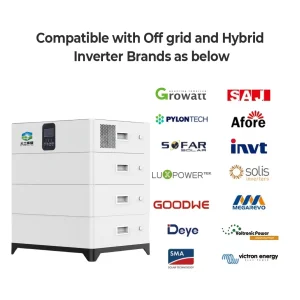
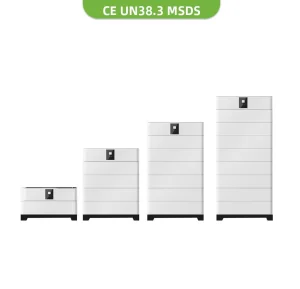
High Voltage 15kwh 20kwh 30kwh 40kwh 50kwh LiFePO4 Solar Energy Storage Battery Pack for Home and Commercial Ess Applications in Egypt

View Specifications
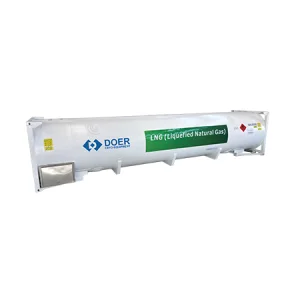
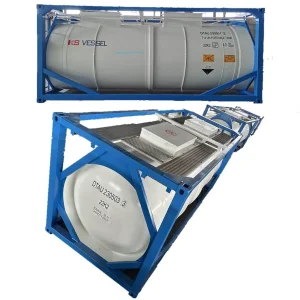
20FT ISO Tank Container 8bar

20FT ISO Tank Container with 8bar Pressure for Safe Transport of Volatile and Corrosive HazMat Liquids

View Specifications
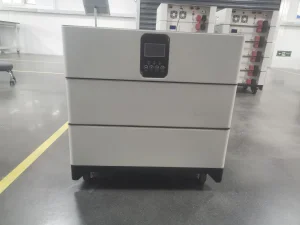
48V Racked Mounted Lithium Battery Pack

48V 100ah Racked Mounted Lithium Battery 51.2V 20kwh 5kwh 10kwh 15kwh LiFePO4 Battery Pack Home Use Solar Generator Inverter 5kw

View Specifications
Home Solar Power Storage Egypt

Efficient Home Solar Power Storage Solutions for Families, Backed by Safe Class 9 Logistics Supply Chain

View Specifications
Hydrochloric Acid ISO Tank Egypt

20 Feet 18000 Litres Hydrochloric Acid, Sulphuric Acid Isotank BV ASME ISO Un Portable T14 Acid Tank Container

View Specifications
International Sea Freight from China to Egypt

International Sea Freight/Air Freight Shipping: Freight Forwarder Ship From China to Ports Worldwide: Egypt, Africa, Middle East, Europe

View Specifications
Professional Freight Forwarder China to Alexandria

Professional Sea Freight Forwarder Shipping From China Shanghai/Guangzhou/Shenzhen/Ningbo to Alexandria, Port Said, Damietta & MENA Region

View Specifications
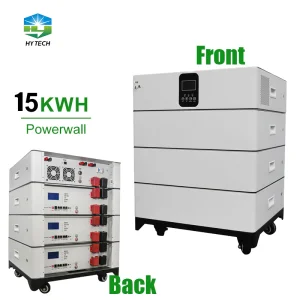
12kw LiFePO4 battery Egypt

12kw 15kwh Hy Tech China Pack 48V LiFePO4 Li-ion Battery for Residential Solar Integration

View Specifications
All in One ESS Lithium Battery pack Egypt

All in One 5kwh 10kwh 15kwh 20kwh Lithium Battery with 6kw 10kw off-Grid Inverter Residential Ess Home Energy Storage System

View Specifications
DDP Shipping with Customs Clearance to Egypt

Door-to-Door Shipping with Customs Clearance DDP/DDU International Freight Forwarder From China to Egypt & Worldwide Ports

View Specifications
Air Freight China to Egypt

Fastest Air Freight Forwarding Service Air Shipping From China to Egypt Airports & Worldwide Hubs

View Specifications

Expert Maritime Logistics & Compliance FAQ

Critical regulatory and operational answers for shipping Dangerous Goods, Lithium Batteries, and Chemicals to Egypt.

How do we comply with the Egyptian Advanced Cargo Information (ACI) system for Dangerous Goods?
Importers in Egypt must register on the Nafeza online portal to request an ACID (Advanced Cargo Information Declaration) number. This 19-digit identifier must be obtained and supplied to the Chinese supplier/shipper at least 48 hours prior to cargo loading in China. All shipping documentation—including the commercial invoice, packing list, bill of lading, and the GHS-compliant Safety Data Sheet (SDS)—must refer to this ACID number. Non-compliance results in the cargo being rejected at Egyptian ports and returned at the shipper's expense.
What are the packaging and safety protocols for shipping high-voltage lithium battery packs (Class 9) to Egypt?
Lithium batteries are classified under Class 9 (UN 3480 or UN 3481) and must be tested and certified in accordance with **UN 38.3 safety protocols**. This includes thermal, vibration, impact, and short-circuit testing. For maritime transport, they must be packaged in UN-certified protective packaging to prevent damage or short circuits during transit. The shipping container must display clear Class 9 hazard labels and have proper ventilation to ensure safe transport to major Egyptian ports like Alexandria or East Port Said.
Can Class 8 corrosives, like hydrochloric acid, be transported in standard ISO containers?
No, corrosive materials like Hydrochloric Acid (UN 1789) or Sulphuric Acid (UN 1830) require highly specialized transport units. They must be shipped in **ASME T14 ISO Tank Containers** equipped with specialized internal linings (such as rubber or FRP) to prevent tank corrosion. These containers must also be certified to handle specific working pressures (typically rated up to 8 bar) and undergo regular pressure and structural integrity tests.
What are the primary routing ports and typical transit times for maritime shipping from China to Egypt?
Most maritime cargo originating from China departs from major shipping hubs like Shenzhen, Shanghai, Ningbo, or Guangzhou. The primary destination ports in Egypt are **Alexandria Port**, **Port of Damietta**, and **East Port Said**. The average transit time for ocean freight along these routes ranges between 22 to 30 days, depending on the specific carrier line, transshipment stops, and vessel schedule.
Are there special transit requirements for dangerous goods passing through the Suez Canal?
Yes. The **Suez Canal Authority (SCA)** enforces strict safety regulations for vessels carrying dangerous goods. Shippers must submit a detailed manifest declaration identifying the IMO class, UN number, exact quantity, and stowing location of all hazardous materials. Depending on the hazard classification, certain vessels may require specialized escort boats or be scheduled for specific convoy transits to ensure safe passage through the canal.

Optimize Your China-to-Egypt Dangerous Goods Supply Chain Today

Contact our logistics specialists to secure competitive freight rates, verify your ACI compliance, and arrange safe, professional transport for your hazardous materials or solar energy storage systems.

Send Inquiry Now