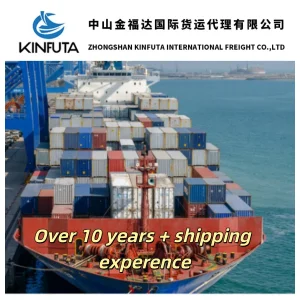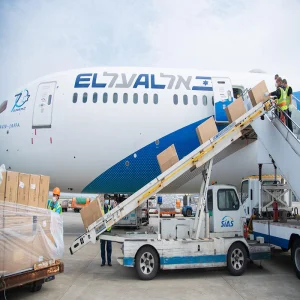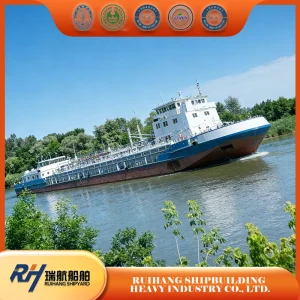
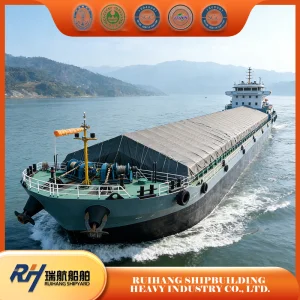
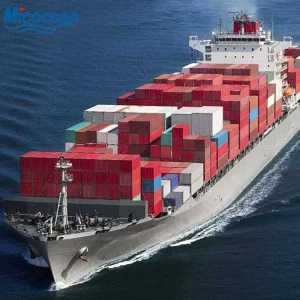
The rapidly advancing industrial and agricultural sectors in Pakistan have significantly driven up the national demand for hazardous chemicals, high-capacity energy storage installations, and strategic petrochemical processing materials. Whether transporting Class 3 Flammable Liquids, Class 8 Corrosive substances (such as Sulphuric or Hydrochloric acid), or Class 9 Miscellaneous Dangerous Goods (including Lithium-ion battery modules), logistics compliance is no longer just operational support—it is a core risk mitigation factor. Maritime logistics remains the lifeblood of this trade corridor, linking world-class Chinese manufacturing plants to major domestic gateways such as Karachi Port, Port Muhammad Bin Qasim, and the newly emerging strategic maritime asset of Gwadar Port.
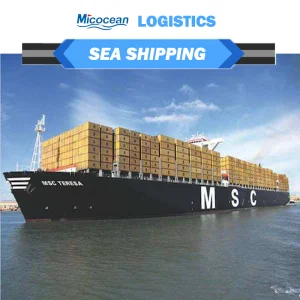
Shenzhen LoJo Logistics Co., Ltd., as an elite global freight forwarding partner, has established an integrated maritime transit architecture designed strictly to align with the International Maritime Dangerous Goods (IMDG) Code. By offering seamless, audited containerized and ISO Tank freight services directly from industrial centers across China, we ensure that local Pakistani importers receive non-delayed customs routing, strict physical safety protocols, and cost-effective bulk shipping capacities.
"Under the China-Pakistan Economic Corridor (CPEC) Phase II, industrialization is accelerating at historic rates. Implementing state-of-the-art compliance standards for Dangerous Goods transport is crucial for stabilizing supply chains across the chemical processing, renewable energy, and agricultural sectors of Karachi, Lahore, Faisalabad, and Multan."
The global trade of Dangerous Goods (DG) is governed by strict, multi-layered regulatory regimes that ensure shipboard safety, ocean preservation, and shore-side community protection. Key frameworks include the International Convention for the Safety of Life at Sea (SOLAS) and the MARPOL convention. Domestically, the Department of Explosives of Pakistan, the Ministry of Climate Change, and the Pakistan Environmental Protection Agency (Pak-EPA) closely regulate the licensing, inland cartage, and port storage of chemical and industrial compounds.
A primary bottleneck for Pakistani industrial importers is the clearance and storage of DG cargo at the terminal gates. The Web-Based One Customs (WeBOC) platform requires pre-validated declarations, UN Packaging Certificates, and material safety documentation. Without a highly experienced logistics partner, cargo can be stuck in demurrage, which is exceptionally high for hazardous consignments. Our specialized customs-clearance networks ensure that all required documentation—including MSDS, DG Declarations, and Port Authority clearances—is perfectly aligned long before the vessel docks at Port Qasim or Karachi Terminal.
Understanding the strict differences in handling and transit infrastructure is necessary to evaluate the value-add of certified maritime forwarding for dangerous goods:
| Logistics Feature | Standard General Cargo | Dangerous Goods (IMDG) - Serving Pakistan |
|---|---|---|
| Packaging & Containment | Standard corrugated boxes, general pallets, flexibags. | UN-Certified packaging, 8-Bar ISO Tank containers, ASME T14 pressure vessels. |
| Stowage Regulations | Under or on-deck general placement with standard ventilation. | IMDG Segregation rules (Away from heat, specific deck-top placement away from crew spaces). |
| Customs Documentation | Standard Bill of Lading, Packing List, Commercial Invoice. | Dangerous Goods Declaration (DGD), Material Safety Data Sheet (MSDS) in English, UN Certificate. |
| Inland Transit Requirements | Standard commercial flatbeds and generic logistics vans. | Explosives Dept certified transport, tracked hazardous hauling vehicles, specialized pilot cars. |
A vital pillar of the global E-E-A-T verification for hazardous logistics relies on the physical infrastructure of the production phase. Chinese manufacturing has evolved from basic mass production to precision high-tolerance engineering. Standard ISO Tanks, Lithium battery cabinets, and multi-purpose bulk cargo vessels require massive raw structural integrity. Through advanced manufacturing techniques, Chinese manufacturing provides unprecedented reliability for safety-critical hardware.
Our logistics and sourcing networks integrate directly with factories utilizing the latest fabrication technologies to produce robust container structures, heavy industrial systems, and high-safety storage modules:
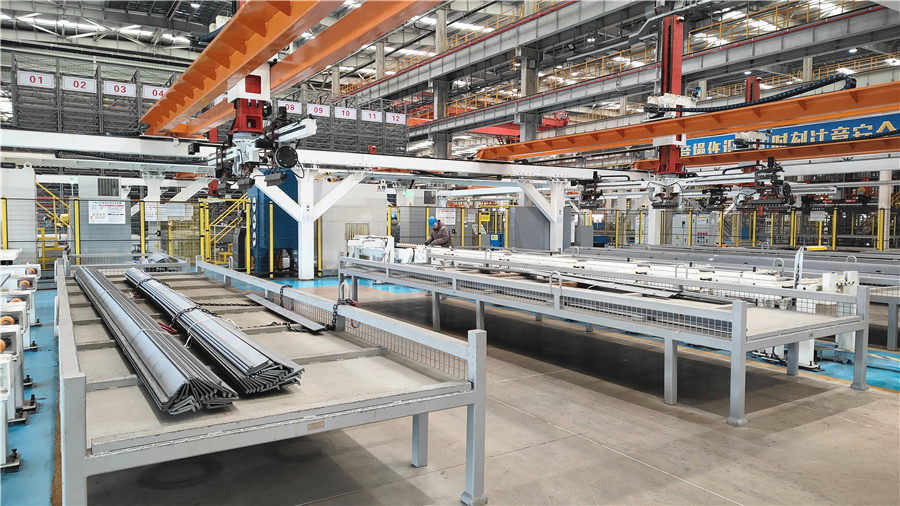
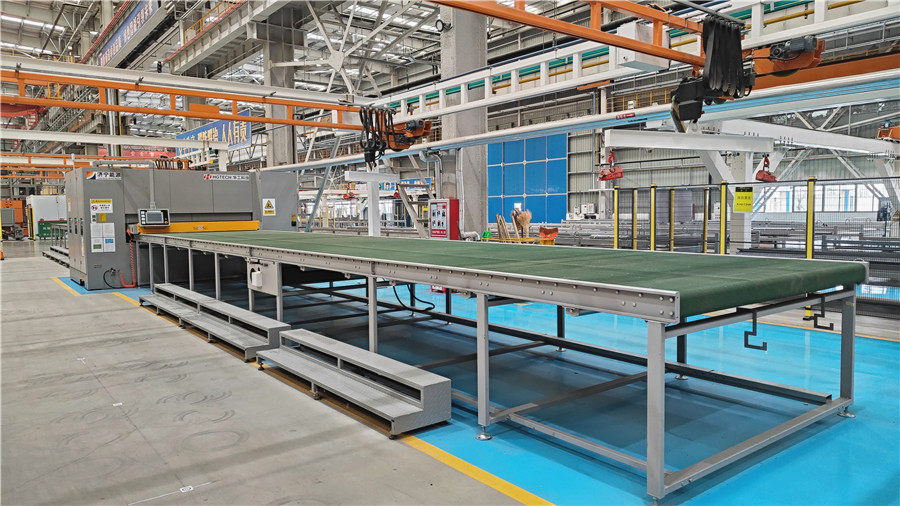
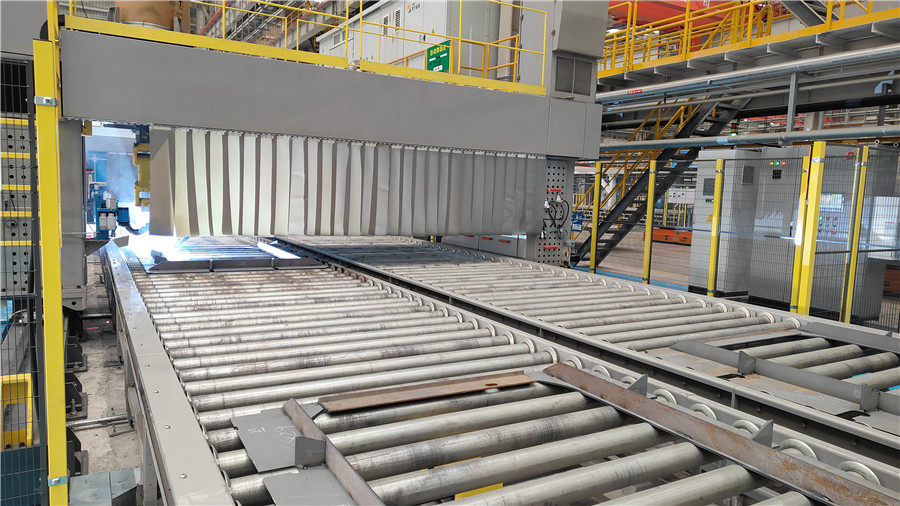
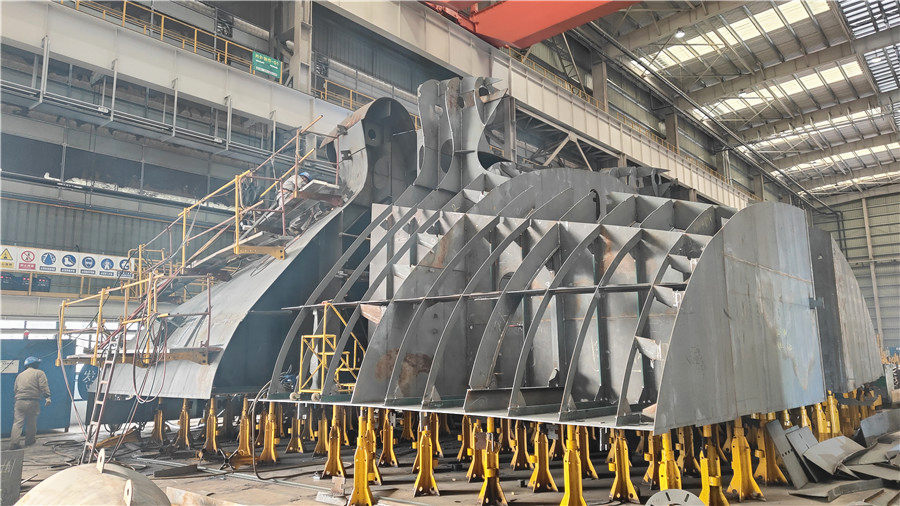
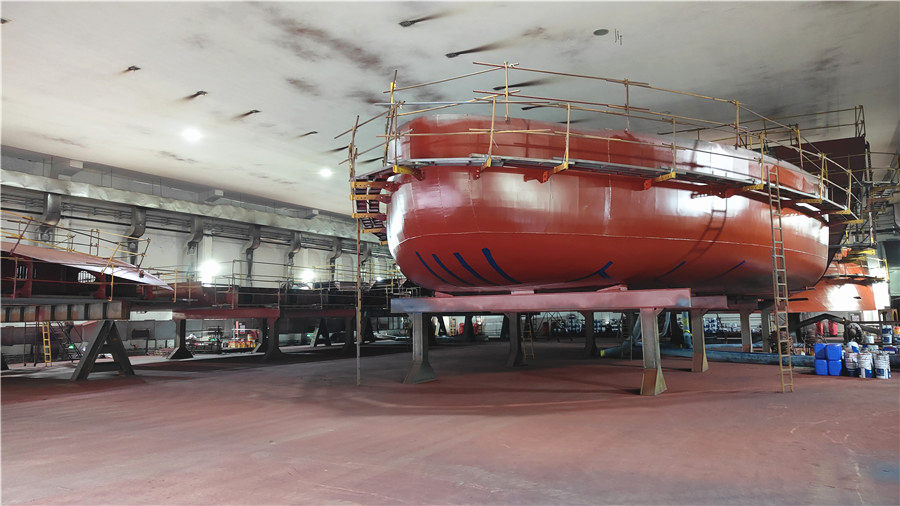
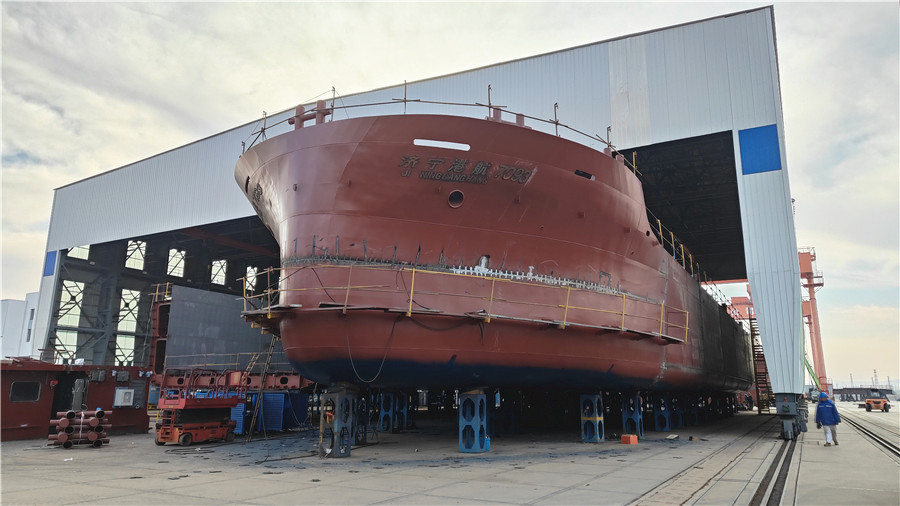
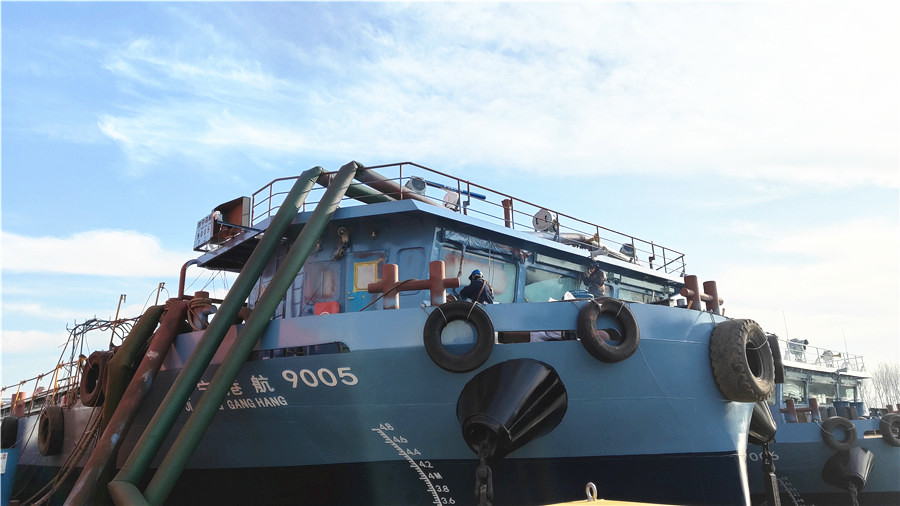
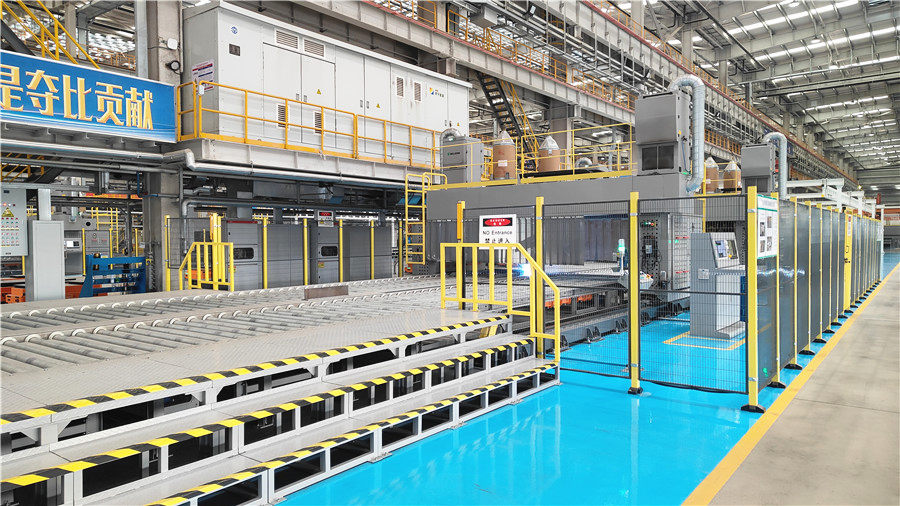
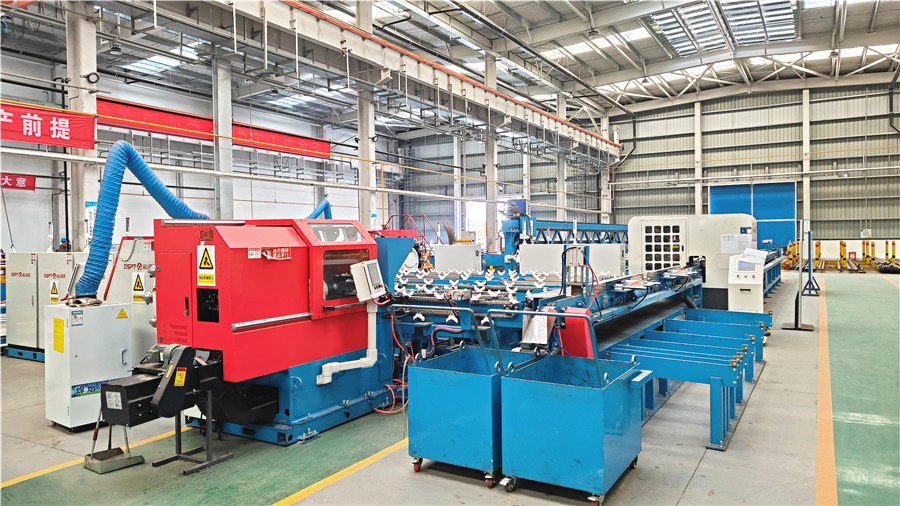 Utilizing Heavy-Duty Industrial Pipe Sawing Machines & Automated Calibrators during structural tank assembly.
Our international hazardous cargo operations are directly targeted at solving operational challenges across several primary sectors within Pakistan:
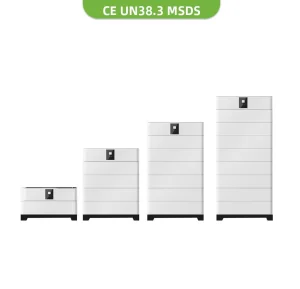
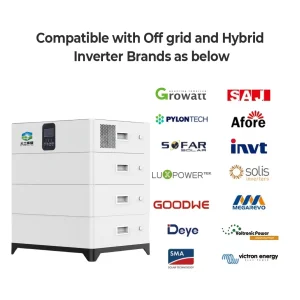
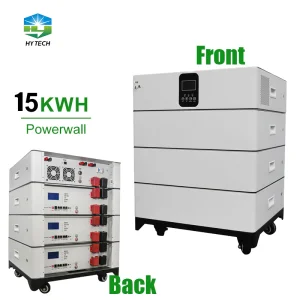
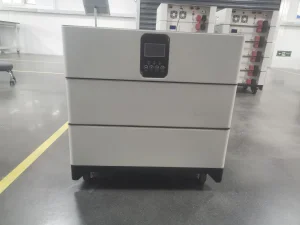
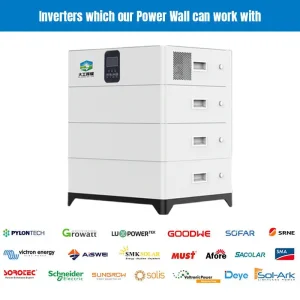
As grid instability challenges continue to drive Pakistan's commercial sectors toward green energy, local industries in Lahore and Faisalabad are installing megawatt-scale lithium battery pack installations. These Class 9 lithium batteries require thermal-monitored shipping, specialized fire-extinguishing gear aboard ships, and strict port staging. Our integrated supply chain seamlessly handles factory-to-door logistics for high-voltage energy storage arrays, assuring pristine safety from China's production plants to the local factory floors.
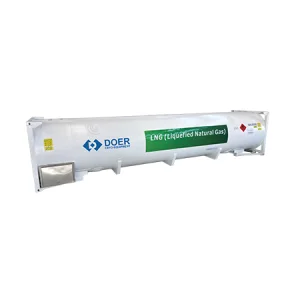
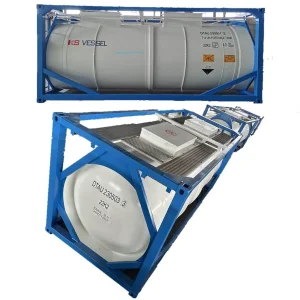
Pakistan's booming agricultural and textile finishing plants consume thousands of tons of high-grade acids and liquid solvents annually. These require ASME-certified UN Portable T14 ISO Tank containers. Through our specialized dangerous goods shipping, we arrange dedicated chemical-grade tank containers directly to Port Qasim, offering domestic industrial users zero-leakage assurances and highly competitive tank leasing terms.
The next decade will see a major transformation in global logistics, driven by decarbonization, digitalization, and stricter compliance rules. At LoJo Logistics, we are already preparing for this future with proactive investments and operational upgrades:
Explore our range of heavy transport equipment, industrial battery arrays, and global shipping agency solutions serving the Pakistan market and beyond.

Get expert, compliance-driven answers regarding local and international regulations, cost optimization, and supply chain timelines.
 LoJo Logistics