Model NO.
China-Europe Railway Express
Type
International Aviation Service
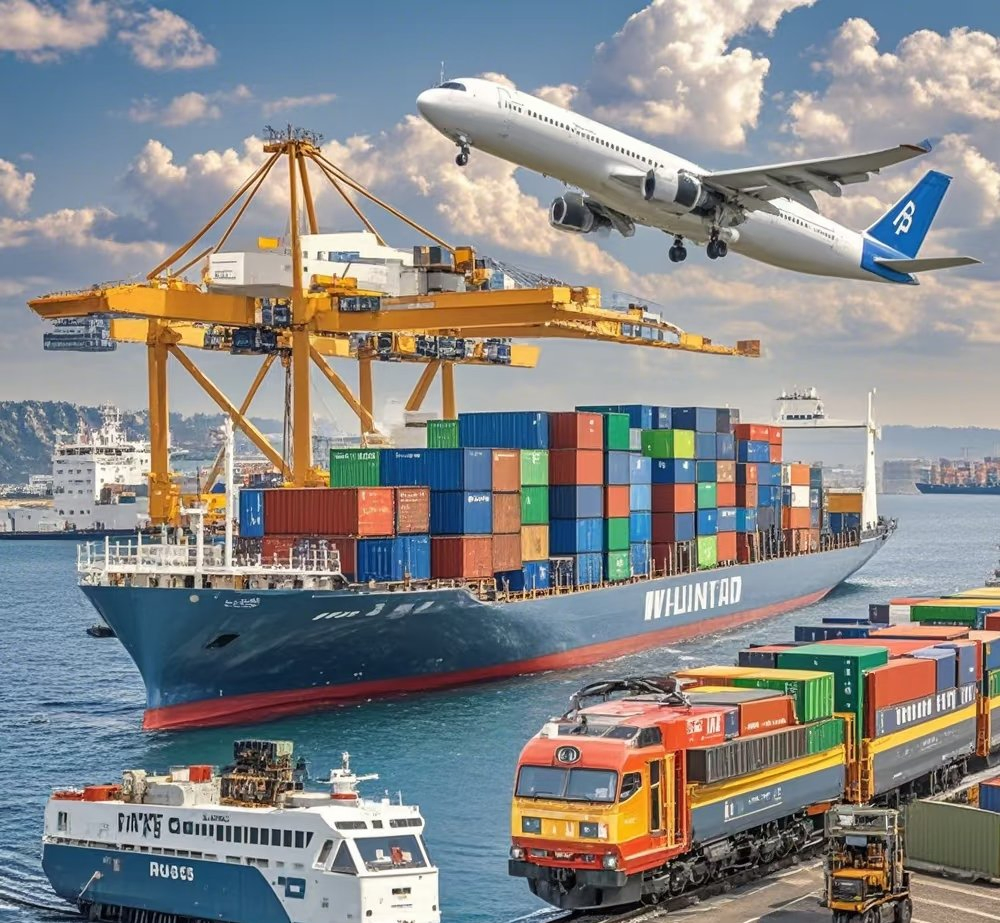
Multimodal Transport
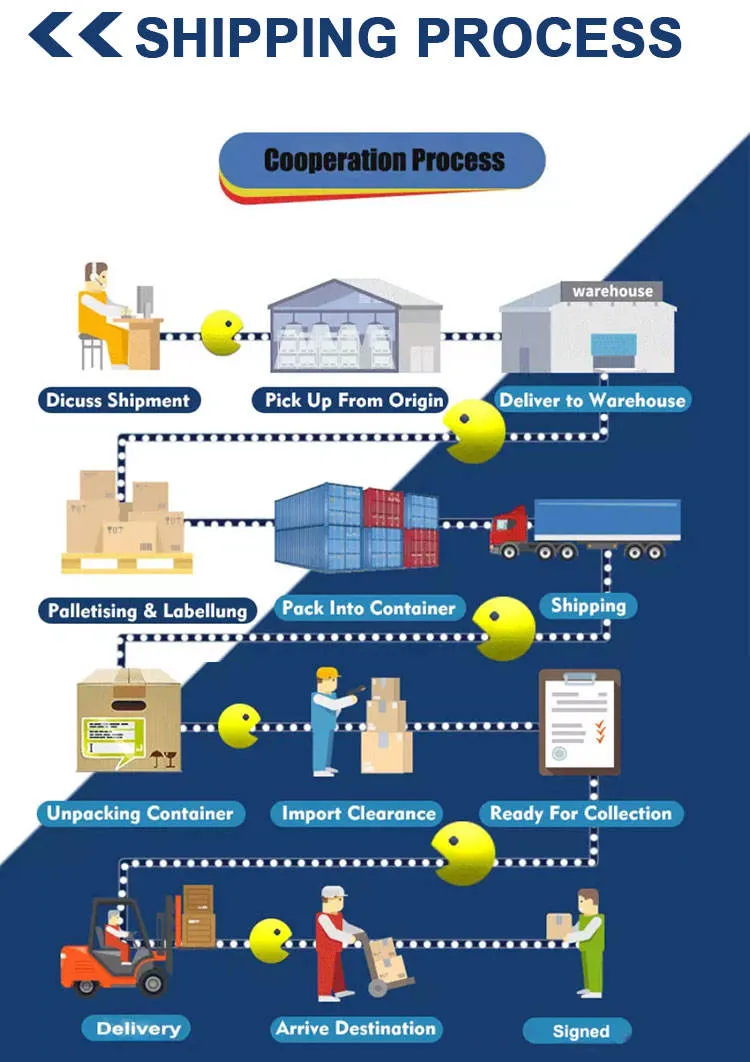
Rail + Sea/Road/Air Transport, Achieving "Door-to-Door"
Standard Runtime
Western: 12-15 Days, Eastern: 10 Days
Transportation Costs
30% Higher Than Sea, 60%-70% Lower Than Air
Product Category
New Energy Vehicles, Photovoltaic Modules, etc.
BRI Positioning
Core Carrier of "Hard Connectivity"
Transport Package
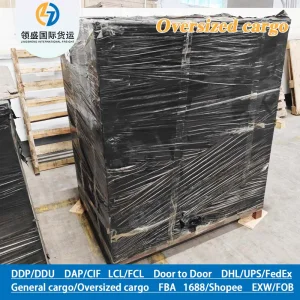
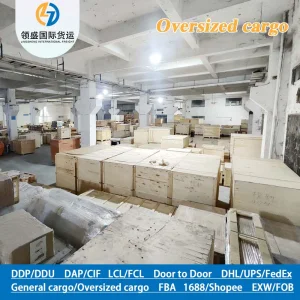
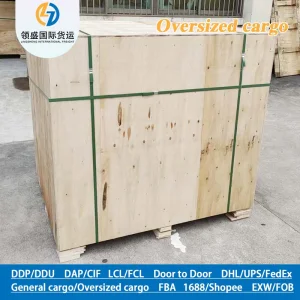
Case/Crate/Wooden Crate etc. Regular
Trademark
China-Europe Railway Express (CRE)
Production Capacity
50000PCS/Week
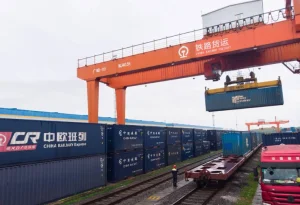
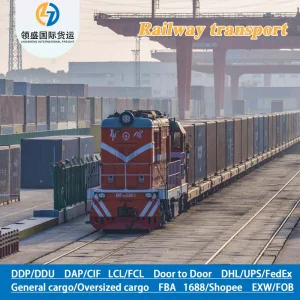
China-Europe Railway Express: A Strategic Lifeline of Eurasian Connectivity
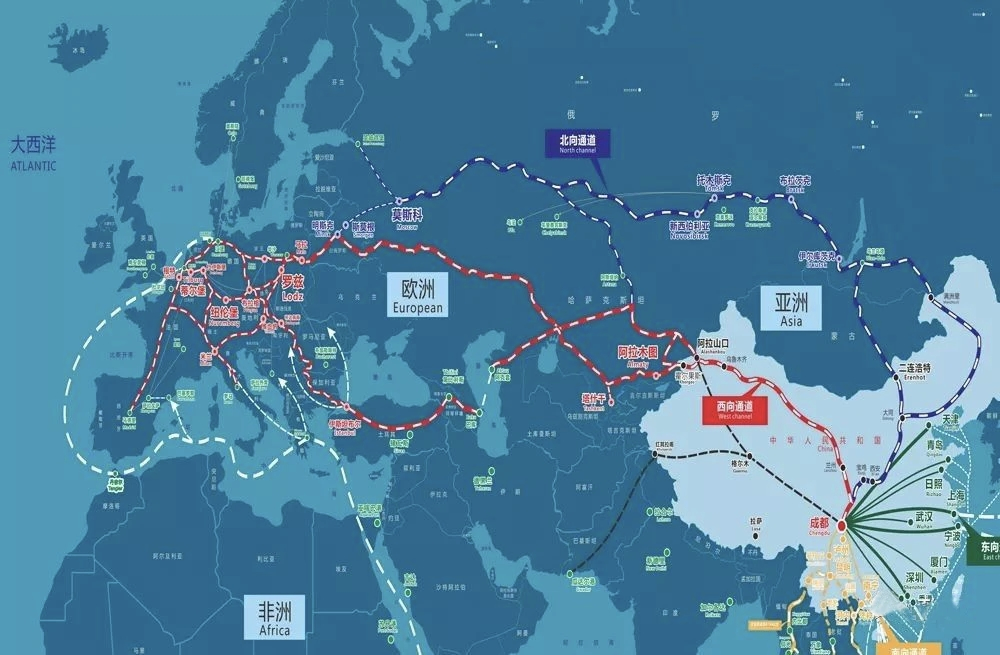
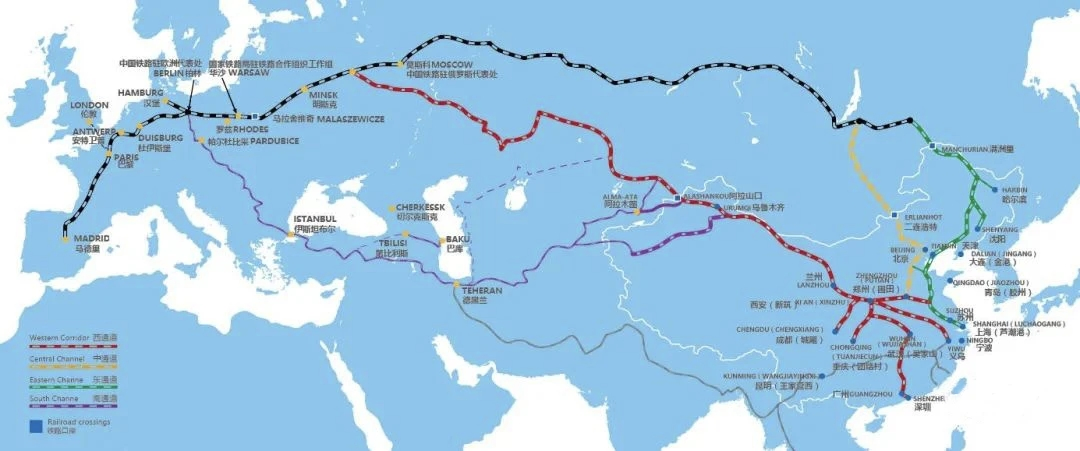
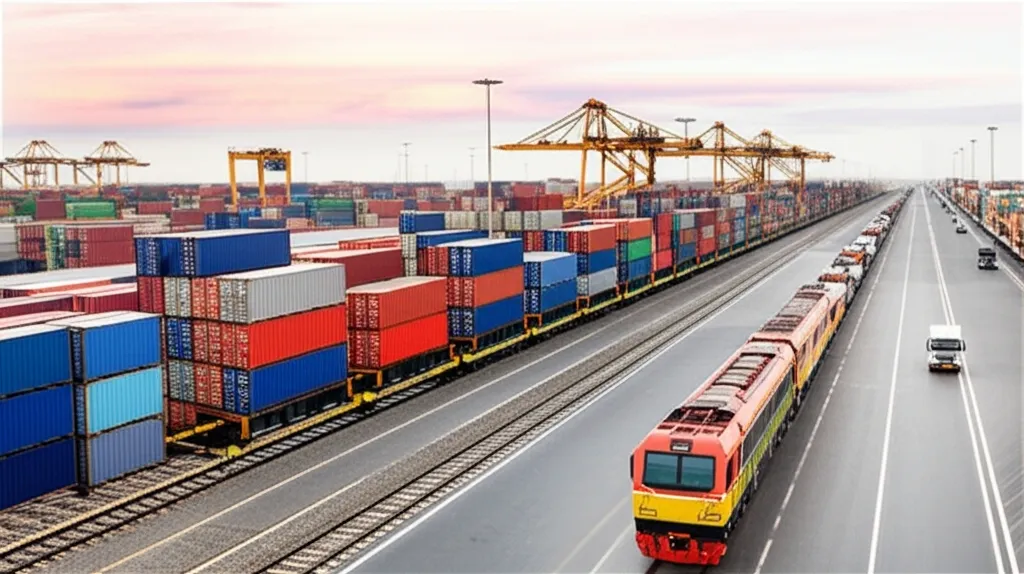
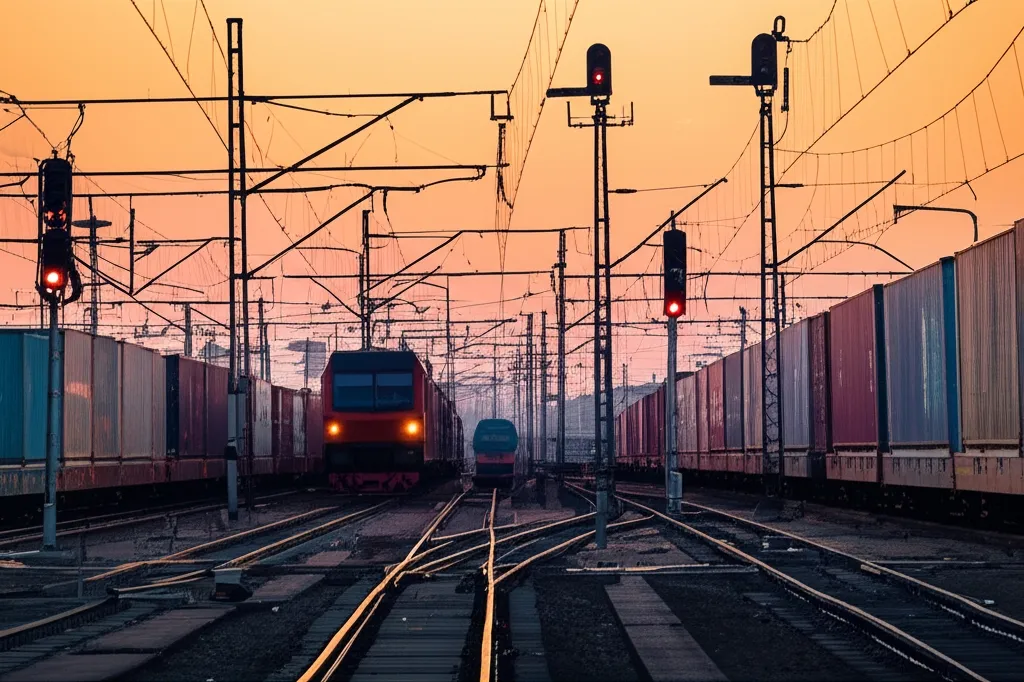
Launched in March 2011 with the inaugural journey from Chongqing to Duisburg, Germany, the China-Europe Railway Express (CRE) has evolved into a cornerstone of transcontinental logistics under China's Belt and Road Initiative (BRI). Operated by the China State Railway Group, this rail network bridges Asia and Europe through three strategic corridors, revolutionizing international freight transport.
1. Operational Framework
📍
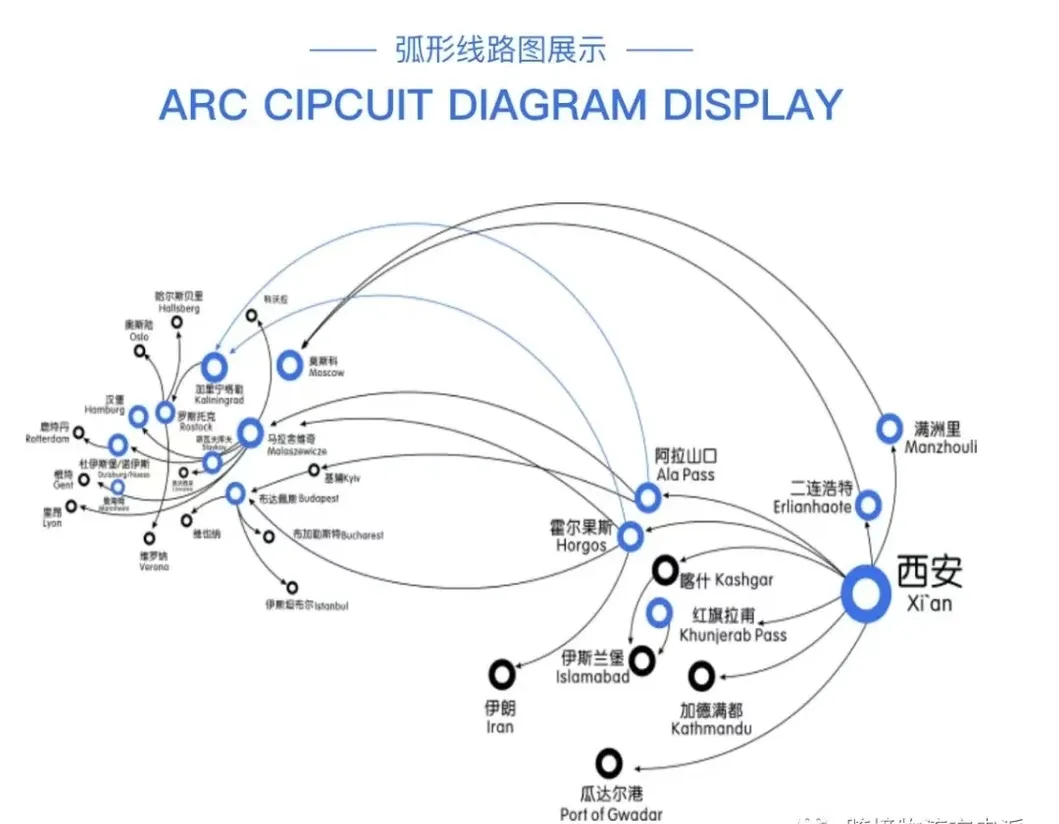
Western Corridor: Exits via Alashankou or Horgos, traversing Central Asia and Russia with precision.
📍
Central Corridor: Passes through Erenhot (Inner Mongolia), linking Mongolia and Russia.
📍
Eastern Corridor: Connects via Manzhouli/Suifenhe into Russia, enhancing trade routes.
• Fixed Schedule: Operates with standardized timetables, ensuring reliability for time-sensitive cargo.
2. Global Reach & Growth
• As of June 2025, CRE has operated an impressive fleet of over 110,000 trains, delivering 11 million TEUs and generating $420 billion+ in trade value.
• Covers 22 European countries (e.g., Germany, Poland, France) and reaches 60+ destinations, including non-European hubs like Astana and Tashkent.
⚡
Speed: Reduces transit time to 12-18 days (vs. 30-45 by sea).
💰
Cost-Effectiveness: 1/5 the cost of air freight and 1/4 the time of sea routes.
🌱
Green Logistics: 70% less CO2 emissions than air freight, aligning with carbon neutrality goals.
• Trade Diversification: A pivotal player in facilitating China-EU bilateral trade, projected to reach $850 billion by 2024. Supports industries from electronics in Chongqing to tea shipments from Henan.
• Supply Chain Resilience: During disruptions in the Red Sea region (2023-2025), CRE stands ready to absorb 30% of rerouted containers, stabilizing manufacturing operations.
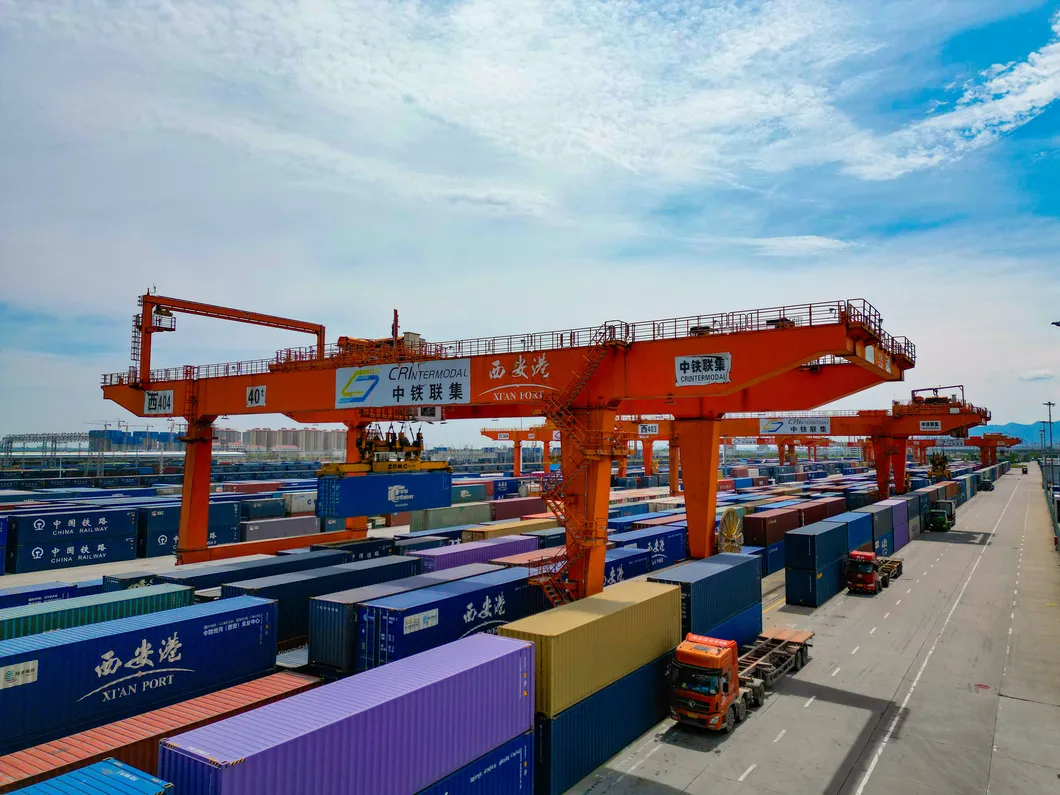
• Regional Development: Transformed Xi'an into a top hub with 3,300+ departures by 2025 and enhanced Leipzig's status as a major inland port.
❓ Frequently Asked Questions
How long does it take for cargo to reach Europe from China?
Depending on the corridor, the standard runtime is approximately 10-15 days. The Western corridor typically takes 12-15 days, while the Eastern corridor can reach destinations in as little as 10 days.
Is rail transport more expensive than sea freight?
Yes, transportation costs are generally about 30% higher than sea freight, but they are 60%-70% lower than air freight, offering a perfect middle-ground for cost and speed.
What types of products are suitable for the China-Europe Railway Express?
It is ideal for high-value or time-sensitive goods such as new energy vehicles, photovoltaic modules, electronics (like IT equipment), automotive parts, and certain types of agricultural products.
What are the environmental benefits of using the CRE?
The railway express is a much greener option compared to air transport, achieving a 70% reduction in CO2 emissions, which aligns with international carbon neutrality goals.
How many countries does the railway network cover?
As of current operations, the CRE covers 22 European countries and reaches over 60 destinations across Eurasia, including major hubs in Germany, Poland, France, Kazakhstan, and Uzbekistan.
Is the service reliable during global shipping disruptions?
Yes, the CRE has proven to be a vital alternative during maritime disruptions (such as the Red Sea issues), providing a stable supply chain and absorbing a significant portion of rerouted container traffic.
 LoJo Logistics