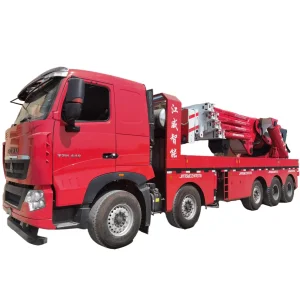
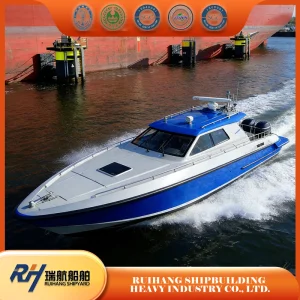
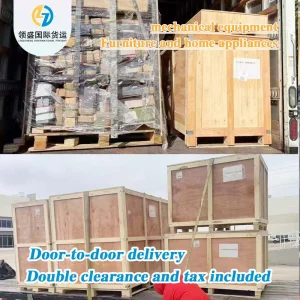
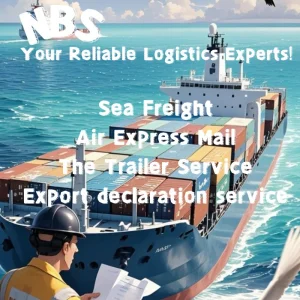
Direct sourcing options featuring cutting-edge transport modules, coastal logistics vessels, and specialized heavy machinery engineered in leading Chinese manufacturing clusters.
Intermodal freight transport stands as the backbone of modern globalized commerce. By seamlessly integrating maritime shipping, overland rail networks, high-efficiency highway trucking, and rapid air transport, businesses can dramatically slash transit times and optimize their bottom line. However, the strategic execution of this multimodal matrix relies heavily on the quality, safety, and technological superiority of the equipment utilized.
Whether navigating complex customs operations from Guangzhou, shipping FCL container loads to Northern Europe, or managing project cargo for international refineries, choosing the right machinery, shipping line, and forwarding partner is vital. This whitepaper provides a comprehensive analysis of the manufacturing processes, industry shifts, and strategic considerations driving the world’s top intermodal equipment factories.
In search of "Top 10 Intermodal Freight Transport Factories," modern sourcing officers encounter pages of duplicate specs. This guide utilizes deep industry data points to provide actionable insights. We focus on real-world engineering attributes—such as structural steel loading dynamics, high-precision laser-cutting processes, and rust prevention in maritime environments.
Under Google’s E-E-A-T framework, we aim to match technical specifications with operational logic. Here, we analyze how precision-welded semi-trailers, reliable air-cargo corridors, and specialized harbor cranes fit together to form a robust, high-performing international supply chain.
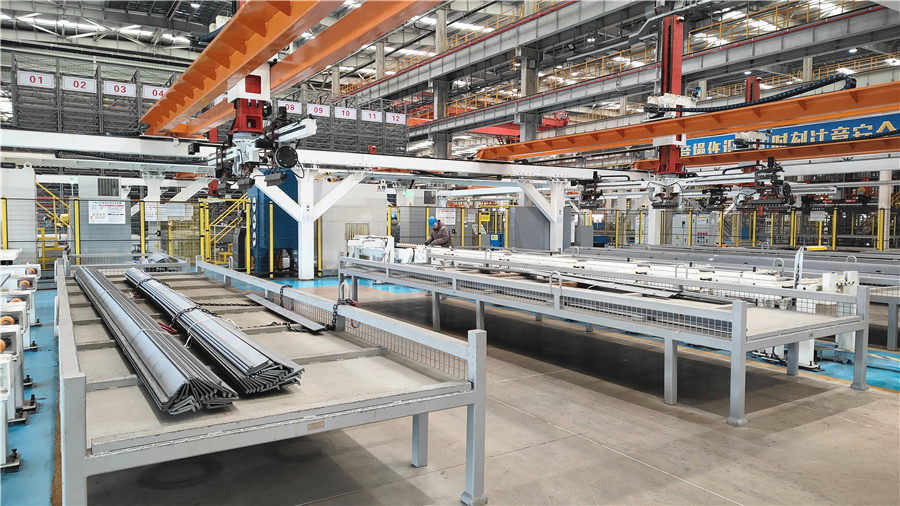
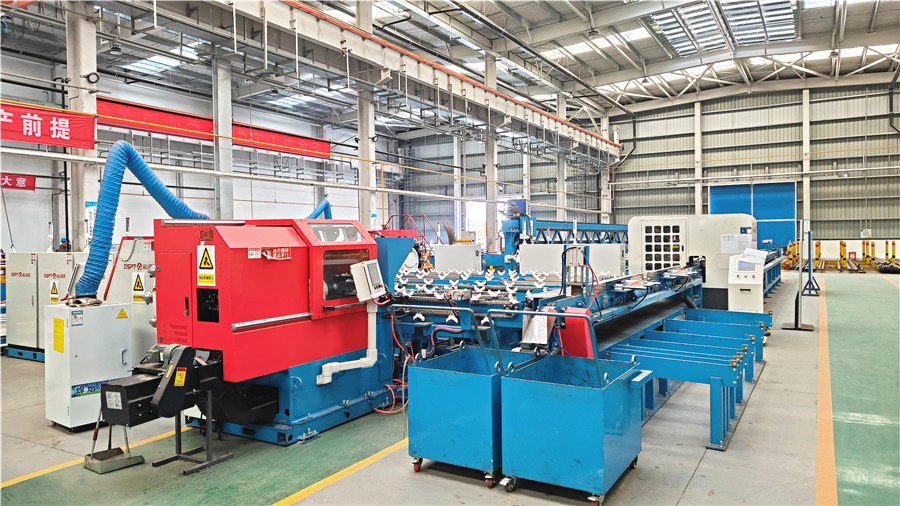
A transparent look at the core manufacturing processes within our partner factories. Exceptional logistics equipment is forged with precision, assembled under automated controls, and validated through strict QA procedures.
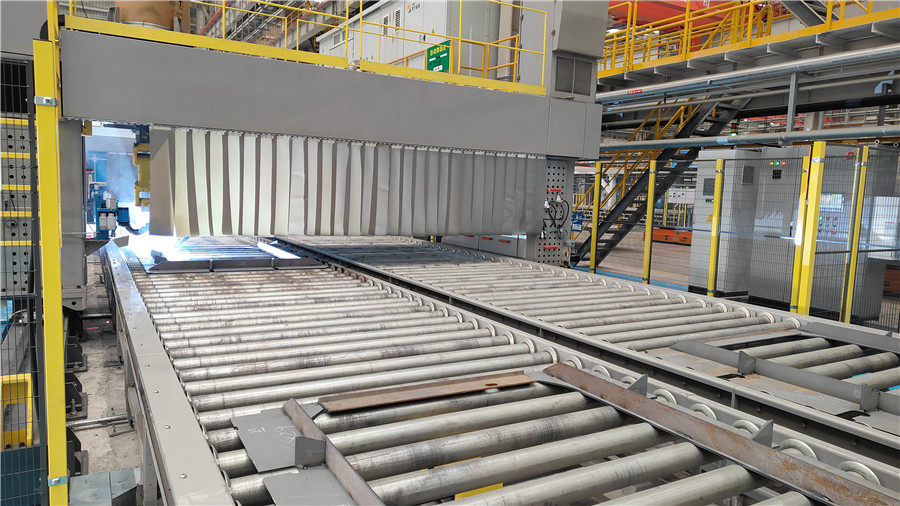
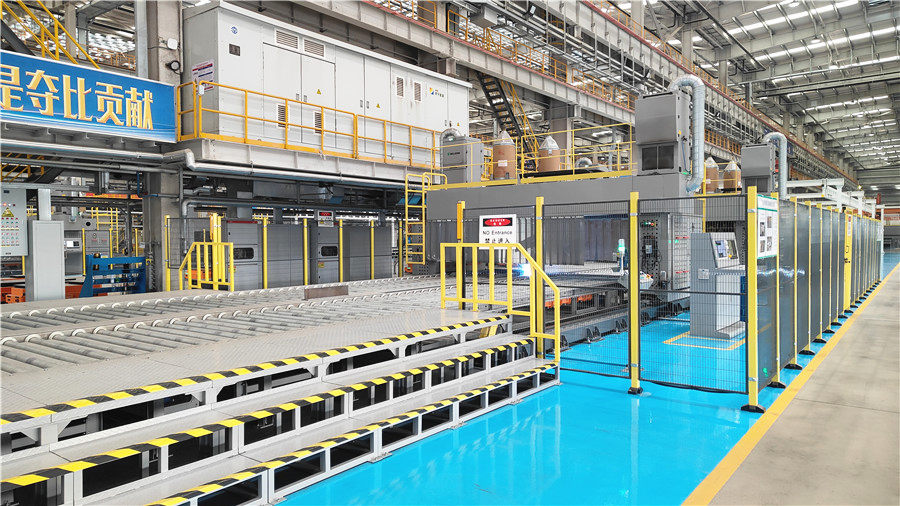
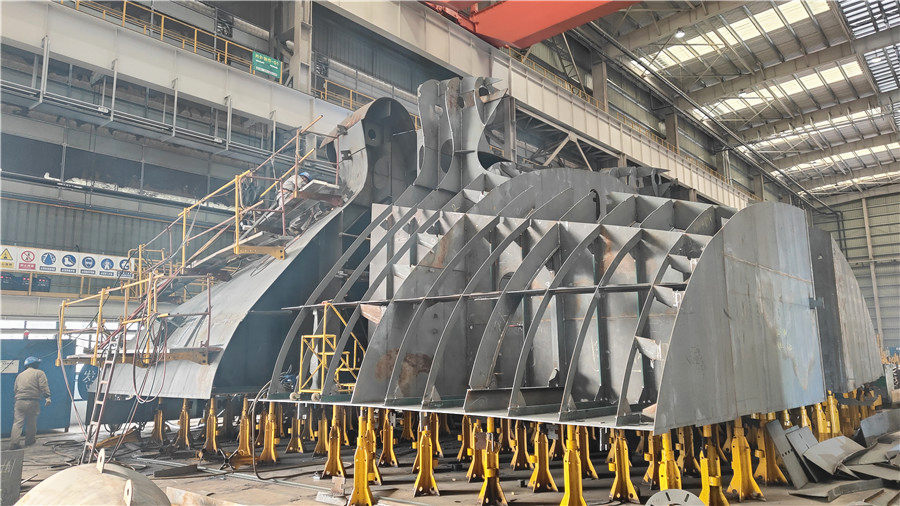
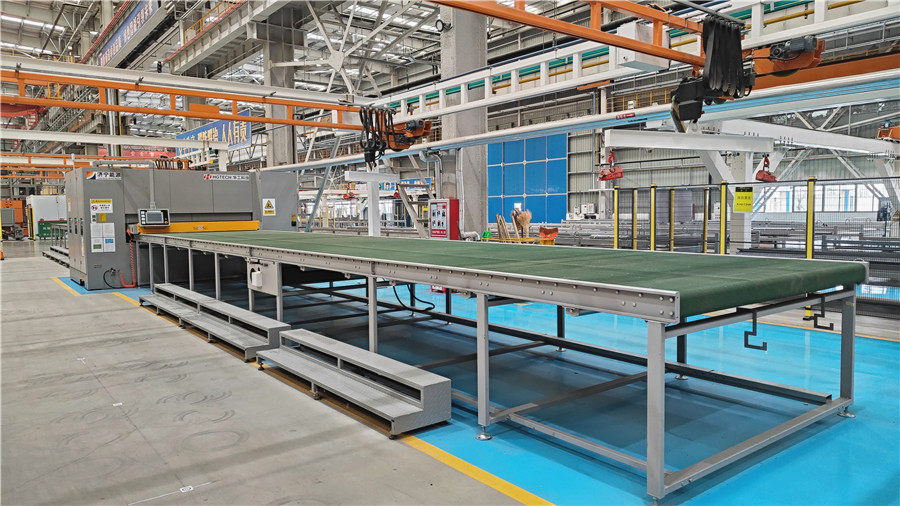
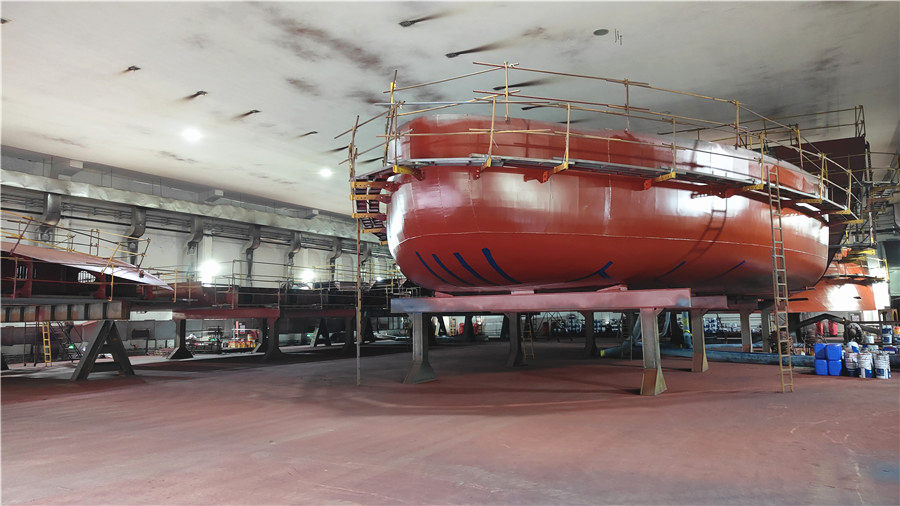
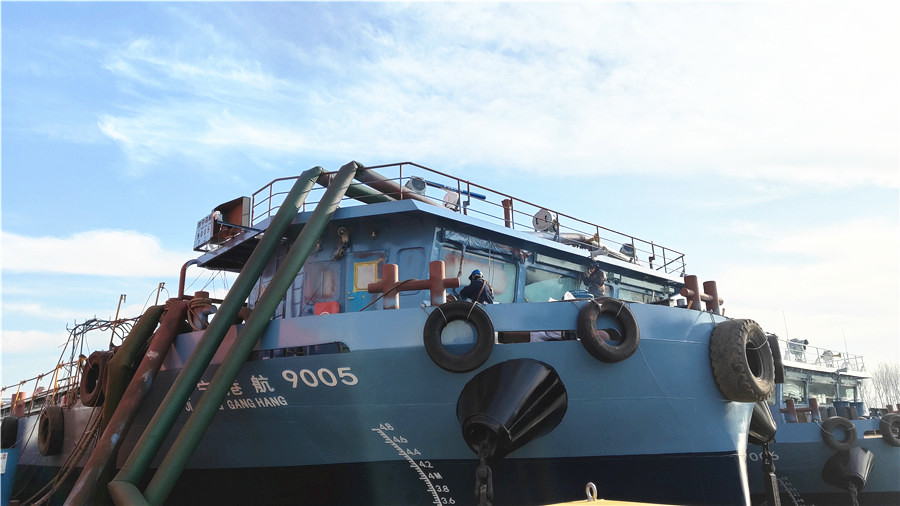
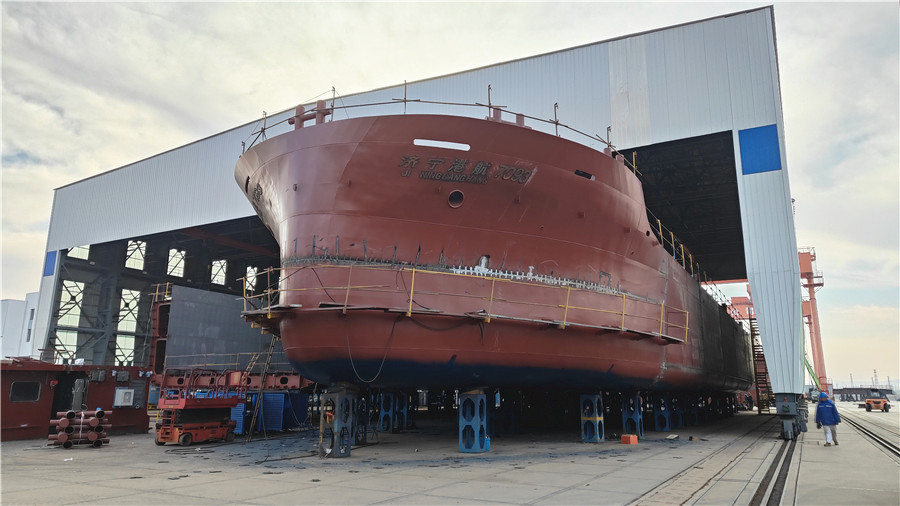
Why procurement professionals consistently select China's manufacturing clusters to source core intermodal machinery, heavy-duty logistics systems, and containers.
From primary smelting of high-strength structural steels to automated precision components, Chinese production facilities are positioned near local logistics and components ecosystems. This minimizes raw material transport lags and ensures rapid turnaround for complex customized orders.
Leading factories leverage computerized CNC laser cutting, automated pipe sawing, and robotic track welding systems. This technology significantly minimizes dimensional errors, optimizes weld penetration, and ensures uniformity across high-volume container or chassis production runs.
Industrial components are exposed to high-salinity marine environments. Factories implement specialized multi-coat paint systems, automated shot-blasting, and epoxy-zinc coatings. This prevents rust, ensuring a long operational life cycle and structural safety.
Analyzing global shifts towards integrated intermodal networks, decarbonization, and the integration of digital tracing technologies.
Global procurement teams no longer look at unit prices alone. Modern vendor evaluations factor in supply chain resilience, manufacturing compliance, ESG ratings, and transportation logistics. Importers require complete visibility from the factory assembly floor in China to the final regional distribution warehouse.
"The shift to digital intermodal transport logistics means hardware must be designed to accommodate IoT tracking devices. Our containers, trailers, and shipping methods must support smart tracking ecosystems."
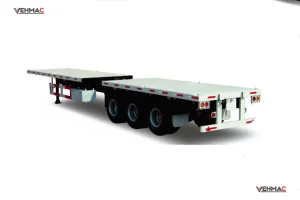
Consider the logistics route between manufacturing hubs in coastal China and landlocked Tashkent, Uzbekistan. Utilizing sea transport alone is impossible, while air freight is expensive for bulk goods. The solution lies in an optimized intermodal rail-road network. Rail links carry cargo containers from China to inland transfer points, where flatbed semi-trailers complete the door-to-door delivery.
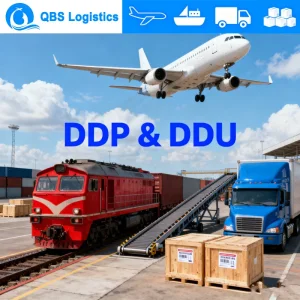
Similarly, when delivering to West Africa (Guinea, Ghana, Togo, Benin), establishing DDP or DDU arrangements using a professional freight forwarder ensures customs and port clearance are integrated, reducing transit delays at regional hubs.
Your Trusted Freight Forwarding & Supply Chain Partner in China
Are you still worried about lost cargo, delayed deliveries, or rising logistics costs while expanding your international trade with China? The smart solution is choosing a reliable China freight forwarding partner.
Shenzhen LoJo Logistics Co., Ltd. is a professional international freight forwarding company dedicated to providing efficient, secure, and cost-effective logistics solutions for global importers and exporters. With years of experience in the logistics and supply chain industry, we help businesses simplify international shipping and improve transportation efficiency.
At LoJo Logistics, we believe that logistics is more than simply moving cargo — it is about delivering reliability, transparency, and peace of mind. Our team is committed to offering full-process logistics support, ensuring that every shipment is handled professionally from pickup to final delivery.
Our Mission: To provide worry-free international logistics services while helping customers improve efficiency, reduce costs, and grow their global business successfully. We integrate, you communicate. We deliver better, so you gain more.
Expert answers to the most common questions regarding equipment sourcing, transport options, and customs compliance.
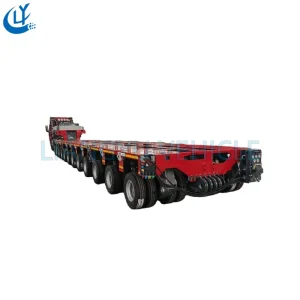
Browse our extensive selection of logistics equipment, energy storage solutions, project shipping, and specialized heavy trailers.
 LoJo Logistics